Owner-Operated Workshop
Quality Parts & Oils
5.0★ Rating
Transparent Pricing

5.0 (Verified Reviews)

Trusted Volkswagen Cv Axle Replacement In Mitchell

CV axle problems affect how power reaches your Volkswagen's wheels. We diagnose the issue, replace with quality parts, and test before you drive away.

Honest Advice

Quality Parts

5.0★ Rating

VW CV Axle Specialists

Claim Your Free Check

Fill in the form and we'll get back to you promptly — no obligation.

Booking Form
  • Vehicle Details
  • Confirm Vehicle
  • Services
  • Contact Details
No Upsell Scripts
Quality Parts Used
Plain-English Advice

Why Book With Us

Claim Your Free Inspection
Drop Off Your Car
We Get to Work
Back on the Road

A CV axle is the shaft that connects your Volkswagen’s transmission to the front wheels, allowing power to reach the road while the wheels turn and move up and down over bumps. Your Volkswagen CV axle replacement is a safety-critical repair that directly affects how your car handles, steers, and transfers engine power. If you’ve noticed a clicking sound when turning, vibration at speed, or grease splattered inside a wheel, your CV axles or CV joints may need attention soon. We service Volkswagens across Mitchell and the surrounding areas, and CV axle work is one of the repairs we handle regularly because VW models do put real demands on these components.

What Are the Signs Your Volkswagen Needs CV Axle Replacement?

Your Volkswagen’s CV joints sit at both ends of each front axle shaft. The rubber boots around these joints protect them from dirt and water. When those boots tear or the joints wear out, symptoms show up fast and are hard to miss.

  • Clicking or popping noise, especially when turning at full lock or accelerating out of a corner
  • Vibration or shuddering through the steering wheel or chassis, particularly at highway speeds
  • Grease buildup or splatter on the inside of your wheels or wheel arch
  • Steering feels loose, vague, or less responsive than normal
  • A knocking sensation from the front end when turning sharply

The clicking is the giveaway. That sound comes from a worn CV joint that’s lost its lubricant or developed wear in the ball bearings inside. Ignore it long enough, and the joint can seize or fail completely, leaving you without drive to that wheel and creating a genuine safety hazard. A torn CV boot that leaks grease doesn’t always mean the joint has failed yet, but it means water and grit are getting in, and failure is coming.

How We Diagnose and Replace Your Volkswagen CV Axle in Mitchell

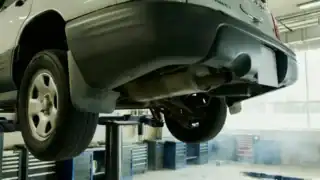
Our process starts with a visual inspection of both CV axles on your Volkswagen. We check the condition of the rubber boots, look for split seams or punctures, and inspect the grease condition. Then we lift the vehicle and test for movement and play in the joints while the wheel is free to turn. A good CV joint should be tight with no grinding or play. We listen for noise under load and check how the steering feels through its full range.

For Volkswagen models, we pay attention to the specific axle configuration your model uses. Some VW models use a solid axle with both CV joints on one shaft; others have a more complex setup. We also follow Volkswagen’s torque and installation specs for the hub nut and suspension fasteners, which matter for steering geometry and brake performance. This attention to OEM specification is what separates proper CV axle replacement from a quick fix that doesn’t last.

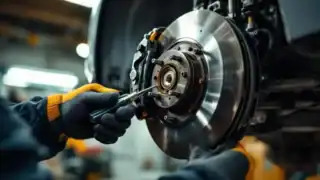
Replacement involves removing the wheel and brake components, unbolting the axle from the transmission and wheel hub, and sliding out the old shaft. We install the new axle (or remanufactured unit if that’s the right choice for your situation), torque all fasteners to VW specification, and then test the steering, acceleration, and braking before you drive. If the brake discs or pads show wear during this process, we’ll flag that so you know what else may need attention soon.

What Affects the Cost and Time for CV Axle Work?

A few factors shape how long this job takes and what it costs. First is whether one or both axles need replacing. If only one side has failed, we’ll replace that one. If the other side shows signs of wear (torn boot, grease loss), we often recommend replacing both at the same time to avoid a second visit in six months. Both Volkswagen front axles are under the same demands, and wear patterns tend to track closely.

Second is parts availability. We use quality replacement axles that meet or exceed OEM specifications, and they’re usually in stock or available quickly. If your Volkswagen is a less common model or year, lead time might extend the job by a day or two.

Third is what else needs attention while we’re in there. If your brake pads are thin or discs are worn, replacing them now makes sense because we’ve already got the wheel off. If your suspension bushes look tired, that’s a conversation to have, but it’s a separate job.

We don’t charge dealership labour rates. You’re dealing directly with the mechanic doing the work, not a service advisor trying to upsell you. We price fairly and explain upfront what the job includes and what it doesn’t.

Why Trust ZP Automotive for Your Volkswagen CV Axle Replacement

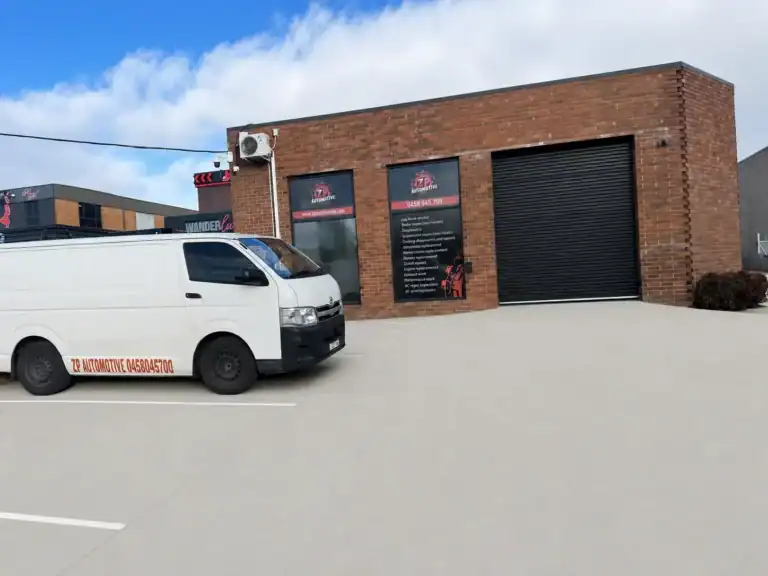
Brendan has over 10 years in the trade, and we’re owner-operated and family-run. That means you’re not dealing with a franchise script or a dealership service department pushing unnecessary work. We use quality parts and oils—Penrite and Rico—not the cheapest no-name stock that fails early. We explain what’s wrong with your Volkswagen, what it’ll cost, and what can wait. No surprises, no pressure.

We also handle your manufacturer warranty correctly. Logbook servicing and repairs at an independent workshop like ours don’t void your Volkswagen warranty. We follow the service schedule, use parts that meet specification, and keep records so you’re covered.

CV axle replacement is one of our core repair strengths alongside brakes, diagnostics, and roadside assistance. We’ve seen every failure mode and know what works. Our 5.0 verified reviews reflect the care we take with every vehicle that comes through our doors in Mitchell.

What Happens If You Ignore a Worn CV Axle?

A clicking CV joint might seem like a minor annoyance, but it’s a warning sign that friction and wear are accelerating inside the joint. The clicking happens because the ball bearings inside are no longer perfectly round, and they’re rattling as the joint articulates. Each time you turn or accelerate, that wear gets worse.

Eventually, the joint can seize, which means that wheel stops receiving power. If it happens on the motorway at speed, you lose drive to one front wheel suddenly, and your Volkswagen pulls hard to one side. Steering becomes difficult, and you may not have enough control to safely pull over. If a CV boot tears and you keep driving, the joint fills with water and grit instead of grease, accelerating failure. A job that could have been straightforward becomes urgent and potentially dangerous.

That’s why we recommend CV axle replacement as soon as you hear the clicking or see grease on the wheel. It’s a safety-critical repair, not a cosmetic one.

Next Steps

If you’ve heard that clicking sound or felt vibration when turning, don’t wait. A failed CV axle can leave you stranded and affect your car’s handling and safety. Call & Book Now or Claim Your Free Inspection online, and we’ll get your Volkswagen checked and advise you honestly on what needs to happen next. We’re here to help Mitchell drivers keep their Volkswagens safe and reliable.
Honest Mechanics, Fair Prices in Mitchell

Owner-operated and family-run, we give you straight answers, quality parts, and fair pricing without the dealership markup or the upsell scripts.

You Deal With the Mechanic

Talk directly to the owner — no service advisors, no middlemen, no upsell pressure.

Quality Parts, Honest Pricing

Bring your vehicle in and we’ll assess what’s needed before any work begins.

Volkswagen-Spec Parts And Tools

We source OEM-spec CV axles and use VW diagnostic equipment for precise fitment.

How Volkswagen CV Axle Replacement Works

We replace your Volkswagen CV axle with precision. From booking to collection, the process is straightforward.

Step 1

Claim Your Free Inspection

Claim your free inspection to diagnose CV axle faults and receive a clear repair plan.

Step 2

Volkswagen Axle Diagnosis

We inspect both CV axles, check boots for damage, and test joints to identify replacement needs.

Step 3

CV Axle Replacement

We remove the damaged axle and fit a quality replacement to Volkswagen specifications.

Step 4

Quality Check & Collection

We test drive your vehicle, verify the repair, and hand it back ready for the road.

What Our Customers Say

5.0 (Verified Reviews)

Quality Parts From Trusted Suppliers

We use quality oils and parts from reputable suppliers — including Penrite and Rico — because what goes into your car matters as much as the work itself.

Claim Your Free Check

Fill in the form and we'll get back to you promptly — no obligation.

Booking Form
  • Vehicle Details
  • Confirm Vehicle
  • Services
  • Contact Details
No Upsell Scripts
Quality Parts Used
Plain-English Advice

Why Book With Us

Claim Your Free Inspection
Drop Off Your Car
We Get to Work
Back on the Road

Got Questions? We Have Answers

Browse the common questions below. If yours isn't listed, give us a call and we'll give you a straight answer.

A CV axle is the shaft that connects your transmission to your wheels, allowing power to reach them while letting the suspension move. CV axle replacement becomes necessary when the joint fails, the shaft bends, or the rubber boot (protective cover) tears and allows grease to escape, causing the joint to wear out. Once a CV axle is damaged, it needs to be replaced as a complete unit rather than repaired. Driving on a failing CV axle risks sudden loss of power to that wheel and potential damage to your transmission.

Common warning signs include a clicking or popping noise when turning, especially at low speeds; vibration or shuddering felt through the steering wheel or floor; a grinding sound; grease splatter on the inside of your wheel; or loss of power to one wheel. Some of these symptoms develop gradually, while others appear suddenly. If you notice any of these, have it inspected promptly. Continuing to drive on a failing CV axle can damage other drivetrain components, making the repair more expensive.

A standard CV axle replacement typically takes between one and two hours, depending on your Volkswagen model and which axle needs replacing. Front axles are usually more straightforward; rear axles can take longer on some models. The time also depends on whether there’s corrosion or if other components need attention. We’ll give you an honest estimate before we start work, so you know exactly what to expect on the day.

Yes. Under Australian consumer law and ACCC guidance, independent servicing of vehicles does not automatically void your manufacturer warranty. What matters is that the work is done to an equivalent standard using quality parts. We use quality components appropriate for your Volkswagen and follow proper procedures. For absolute certainty about your specific warranty terms, check your warranty documentation or contact your dealer directly. We’re happy to discuss our process and the parts we use.

CV axle replacement is not a logbook servicing item, so it’s not covered by scheduled maintenance plans. Logbook services cover routine items like oil changes and filter replacements. CV axle replacement is a repair needed when the component fails, not a preventive maintenance task. If your logbook service is due around the same time, we can arrange both, but they’re separate jobs with separate costs.

We lift your vehicle safely, remove the wheel and brake assembly to access the axle, disconnect it from the transmission and wheel hub, and slide out the damaged axle. The new axle is then installed in reverse order, ensuring all bolts are tightened to Volkswagen specifications. We check the boot and protective covers, clean away any old grease, and test the joint before reassembling everything. Once finished, we do a test drive to confirm smooth operation and no noise.

CV axles don’t wear on a fixed schedule like brake pads or spark plugs. They’re designed to last the life of your vehicle if the protective rubber boot stays intact. If the boot tears, moisture and dirt enter the joint, causing it to fail within months or a year or two. Regular visual inspections during servicing can catch a torn boot early. Rough driving, potholes, or previous damage can speed up wear, so keep an eye on your suspension and listen for clicking sounds.

A CV boot is the rubber cover that protects the joint from dirt and moisture. If caught early when the joint is still healthy, a boot can sometimes be replaced alone. However, once grease has leaked out and contamination has reached the joint, the joint itself is usually damaged and the entire axle must be replaced. An inspection will tell us whether the joint is still serviceable or if full replacement is needed. Boot replacement costs less, but if you’ve noticed clicking or grinding, the joint may already be worn beyond repair.

Volkswagens are generally sound in this area, but like any vehicle, CV failure usually results from a torn boot that goes unnoticed. Some Volkswagen models with higher mileage or exposed to rough driving conditions experience more boot wear. We regularly service Volkswagens in Mitchell and surrounding areas, so we’re familiar with which models tend to wear boots sooner. Regular boot inspections during servicing can catch problems early and save you money on a full axle replacement.

Get it inspected as soon as practical. Clicking when turning is the classic sign of a failing CV joint, but catching it early might mean just replacing the boot and greasing the joint if the joint isn’t already damaged. The longer you drive on a clicking joint, the more wear happens inside, and you’ll move from a cheap boot repair to an expensive axle replacement. Ring ZP Automotive to book an inspection and we’ll tell you exactly what’s needed and what it’ll cost before we do any work.

We use quality OEM-equivalent parts that match Volkswagen specifications for fit, function, and durability. These parts deliver the same performance as genuine Volkswagen components without the dealer markup. All parts come with appropriate warranties, and we stand behind the workmanship. We’re happy to discuss specific part options when you contact us, so you know exactly what you’re getting and why we’ve chosen it for your vehicle.

It’s not safe to ignore a torn CV boot, though you may be able to drive carefully for a short time. Once the boot tears, grease escapes and contaminants enter the joint. This accelerates wear dramatically. Within days or weeks, the clicking and vibration will worsen, and you risk sudden joint failure on the road. If you notice a torn boot, have it inspected soon. Delaying the repair turns a minor boot job into a full axle replacement, costing significantly more.

Continue to site