Hyundai car air conditioning systems are built to handle Australia’s heat, but like any mechanical system, they need proper maintenance and timely repair to keep delivering cold air when you need it most. Whether your Hyundai’s AC has stopped cooling entirely, blows warm air, or cycles on and off unpredictably, diagnosing the fault accurately saves you money and gets you back to comfortable driving. At ZP Automotive in Mitchell, we specialise in Hyundai AC servicing and repair, using a methodical diagnostic approach to identify the root cause before recommending any work.
Common Signs Your Hyundai Needs Air Conditioning Repair
Air conditioning problems rarely announce themselves with a bang. Most drivers notice a gradual decline or a sudden shift in performance. Recognising these warning signs early can prevent more costly repairs down the track.
- Air blows lukewarm or completely warm, even when the system is set to maximum cool
- AC compressor engages briefly then cycles off repeatedly
- Weak airflow from the vents despite the fan running at full speed
- Visible moisture or water pooling under the car after AC use
- Hissing or bubbling sounds from the engine bay when the AC is running
- Unpleasant smell coming through the vents – often a sign of mould or bacteria in the system
- AC works only intermittently, particularly on hot days
Hyundai models commonly develop refrigerant leaks at connection points and compressor seals, especially in vehicles over five years old or those used in high-heat conditions. If your AC worked fine yesterday and blows warm today, a refrigerant leak is the most likely culprit. If cooling is gradual decline over weeks, the issue could be a failing compressor, clogged condenser, or a faulty expansion valve.
How We Diagnose and Service Hyundai Air Conditioning Systems
Proper diagnosis is the foundation of honest AC repair. We don’t simply top up refrigerant and hope the problem goes away. Our process for Hyundai AC servicing follows a structured approach.
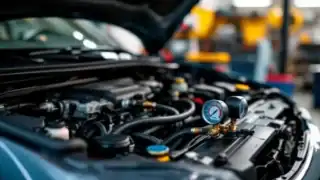
We start by connecting diagnostic equipment to read the AC system’s pressure, temperature, and electrical signals. This tells us immediately whether the compressor is engaging, whether refrigerant is circulating, and where the system is losing efficiency. For Hyundai vehicles, we reference the manufacturer’s service schedule and use OEM-equivalent diagnostic procedures to identify issues specific to your model’s design.
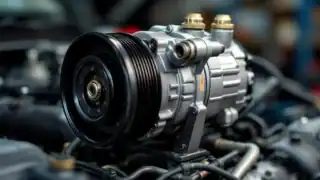
Next, we perform a visual inspection of the compressor, condenser, receiver-drier, and all connection points. Refrigerant leaks often show up as oil residue around joints. We check the condition of the condenser fins, which can become clogged with road debris and reduce cooling capacity. We also inspect the expansion valve and check airflow through the evaporator core inside the cabin.
Once we’ve pinpointed the fault, we explain exactly what’s wrong and what options you have. If the compressor has failed, we’ll discuss whether a genuine Hyundai replacement or a quality aftermarket equivalent makes sense for your budget. If it’s a refrigerant leak, we find the source and repair it properly, then evacuate and recharge the system with the correct refrigerant type and oil spec for your Hyundai model. We never simply add refrigerant and ignore a leak.
For cooling performance issues caused by clogged condensers or blocked cabin filters, we clean or replace these components and verify that airflow is restored. We use quality refrigerant and lubricants that meet Hyundai’s specifications, not budget stock that compromises system longevity.
What Affects the Cost and Time for Hyundai AC Repair in Mitchell
AC repair costs vary depending on what’s actually broken. A refrigerant top-up and dye injection to find a small leak is a relatively quick job. Replacing a faulty expansion valve or repairing a compressor seal takes longer and costs more. If the compressor itself has failed, you’re looking at a larger expense – but it’s a job that must be done right to avoid repeat failures.
Parts availability plays a role. Genuine Hyundai parts ship quickly in most cases, while some aftermarket components take longer to source. We’ll let you know upfront if there’s a delay and discuss alternatives with you before we order anything.
The age and model of your Hyundai also matters. Older systems may have different components or refrigerant types than newer ones, which can affect both diagnosis time and parts cost. We’re familiar with Hyundai’s evolution across model years, so we don’t waste time guessing.
We price AC work fairly and transparently. We’re not a dealership, so you don’t pay dealership labour rates. We’re also not here to upsell unnecessary services – if your AC needs a compressor, we’ll tell you that; if it just needs refrigerant and a leak seal, that’s what we’ll do.
Why Choose ZP Automotive for Your Hyundai Air Conditioning Service
You get direct access to the mechanic doing the work. There’s no service advisor pushing additional work or using upsell scripts. We explain what’s wrong, what it costs, and what can wait. If your AC needs repair today but other items can hold off, we’ll tell you.
We’ve been working on Hyundai vehicles and other makes for over 10 years. We understand Hyundai’s AC system design, common failure patterns, and the best parts to use for reliable repair. We use quality brands like Penrite for oils that match your vehicle’s specifications, not the cheapest no-name stock.
We’re owner-operated and family-run, which means we care about your experience and your car’s long-term reliability. We service logbook requirements for Hyundai vehicles, keeping your manufacturer warranty intact when that matters. And we handle diagnostic work on engine performance and air conditioning systems with the same honest, methodical approach.
Get Your Hyundai AC Diagnosed and Fixed in Mitchell
If your Hyundai’s air conditioning isn’t keeping up with the Australian heat, don’t wait until the middle of summer when every workshop is booked solid. Call and Book Now or Claim Your Free Inspection to book a diagnostic appointment at ZP Automotive in Mitchell. We’ll identify the fault and give you a clear, transparent quote before we start any work.