Jeep shock absorber replacement is one of those suspension services that makes a real difference to how your vehicle handles and rides, especially if you’ve noticed the bounce or sway getting worse over time. Whether you drive a Wrangler, Cherokee, Compass, or Grand Cherokee, Jeep suspension components work harder than many other vehicles because of the terrain these cars often tackle. In Mitchell, we see Jeep owners regularly who think they’re dealing with a general wear issue when really their shocks are the culprit. Getting them diagnosed and replaced properly keeps your Jeep safe, stable, and comfortable on city streets and rougher roads alike.
Signs Your Jeep Shock Absorbers Are Wearing Out
Shock absorbers wear gradually, so you might not notice the change happen all at once. But there are clear warning signs that tell you when replacement is overdue. If your Jeep bounces excessively after hitting a bump, takes longer to settle, or dips noticeably when you brake, those are classic shock symptoms. You might also notice the vehicle feels unstable or sways more than usual when cornering, especially at higher speeds. Some owners describe it as a wallowing or floaty sensation. In wet conditions or on rougher roads, worn shocks become even more obvious because the suspension can’t absorb impacts effectively.
Another sign is uneven tyre wear, particularly on the inner or outer edges of the tread. When shocks fail, your tyres don’t maintain consistent contact with the road, which accelerates wear and reduces grip. You might also hear clunking or knocking sounds from the suspension, particularly over bumps or during tight turns. Some Jeep owners notice their headlights bounce more when driving over uneven surfaces, which happens when the suspension loses control. Any of these symptoms are worth having inspected because worn shocks compromise both comfort and safety.
How We Diagnose and Replace Jeep Shocks in Mitchell
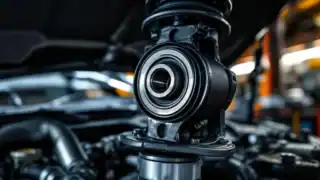
Our inspection starts with a visual check of the shock absorber bodies for oil leaks, corrosion, or physical damage. Jeep vehicles, particularly those used off-road or in rougher conditions, can experience accelerated wear, so we look carefully at mounting points and bushings as well. We then perform a bounce test and road test to feel how the suspension responds and confirm whether the shocks are genuinely worn or whether another component is contributing to the problem.
Once we confirm the shocks need replacement, we lift the vehicle safely and remove the worn units. This involves disconnecting the shock from the upper and lower mounts, which vary slightly depending on your Jeep model. We inspect the surrounding components like springs, bushings, and dampers while we have access, because replacing shocks is the ideal time to assess the whole suspension assembly. If we spot issues with other components, we’ll explain what we find and what can wait.
We then fit quality replacement shocks that meet Jeep’s OEM specifications or approved equivalents. We source parts that align with Jeep’s factory service schedules and performance standards, ensuring your vehicle maintains its handling characteristics and safety margins. After installation, we road test the vehicle to confirm the ride quality, handling, and stability have improved, and that there are no new noises or concerns. Your Jeep should feel noticeably less bouncy and more controlled once the work is done.
What Affects the Cost and Time for Shock Replacement
The price and time required depends on several factors. Which Jeep model you own matters because some vehicles have easier access to the shock mounting points than others. A Compass might take less time than a Grand Cherokee or Wrangler because of where the shocks sit relative to other components. Whether you need just the rear shocks or both front and rear also affects the total job time and cost. If we discover worn bushings, springs, or other suspension components that should be addressed while we’re in there, we’ll discuss those options with you before proceeding.
Parts availability can occasionally extend timelines, especially if you need genuine Jeep specification replacements rather than aftermarket alternatives. We carry quality stock and can often complete the work quickly, but we’ll always give you an honest timeframe upfront. Our pricing sits fairly between dealership labour rates and the cheapest fast-fit chains, because we source quality parts and do the job right the first time rather than rushing.
Why Choose ZP Automotive for Your Jeep Shock Replacement
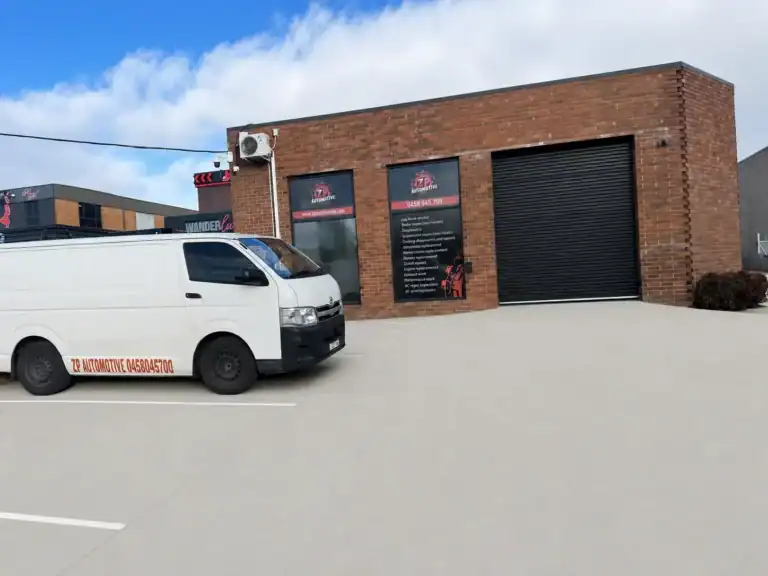
We’re an independent, owner-operated workshop in Mitchell with over 10 years’ experience in the trade. You deal directly with the mechanic doing your work, not a service advisor with a script. We explain what we find, what it’ll cost, and what can wait. We don’t upsell or pressure you into jobs you don’t need. For Jeep suspension work, that honesty matters because owners need to trust that the advice they’re getting is genuine and specific to their vehicle, not a one-size-fits-all recommendation.
We use quality parts and fluids that meet OEM standards, not the cheapest no-name stock that might fail a few months down the track. Our pricing is transparent and fair. If you’re running logbook servicing to keep your manufacturer warranty intact, we understand that and work with it. We’ve built a reputation on quality work and straight dealing, and we stand behind every job we do. Our 5.0-star verified reviews speak to the care we take with every vehicle that comes through the door.
Beyond shock absorber work, we handle the full range of suspension maintenance and repair for Jeep vehicles, including spring replacement, alignment, and component inspection. We’re also equipped for logbook servicing, engine diagnostics, brake work, air conditioning servicing, and ACT rego inspections, so whether you need a single repair or comprehensive suspension care, we’ve got the skills to help.
If you’ve noticed your Jeep bouncing, swaying, or feeling less stable than it used to, call us using Call & Book Now or book a free inspection online so we can check your shocks and suspension. We’ll let you know what we find and what needs to happen next.