A suspension check for European vehicles is a focused diagnostic service that identifies wear, damage, or misalignment in the components that connect your car to the road. For European marques like Volkswagen, Audi, BMW, Mercedes, and similar brands, suspension systems often operate with tighter tolerances and condition-based service schedules. Getting your European vehicles suspension check completed regularly helps catch issues before they affect handling, tyre wear, or safety. We inspect the full suspension system using diagnostic methods that align with manufacturer specifications, ensuring any problems are caught early and fixed properly.
Common Signs Your European Vehicle’s Suspension Needs Inspection
If your car is showing any of these symptoms, a suspension check should be your next step.
- Uneven or excessive tyre wear, especially on the inner or outer edge of the tyre
- The car sits lower on one side than the other, or sags noticeably
- Clunking, rattling, or squeaking sounds over bumps or when turning corners
- The steering wheel pulls to the left or right when driving straight
- The car bounces or feels unstable after hitting a bump, rather than settling quickly
- Excessive body roll when cornering, or a vague, wandering feeling through turns
- The ride feels harsher than normal, with every pothole transmitted directly to the cabin
European vehicles are engineered for responsive handling and precise steering, but worn suspension components compromise both comfort and control. The moment you notice the ride quality deteriorating or handling becoming less planted, that’s the right time to have the suspension inspected. Don’t wait for a warning light or a breakdown.
What a European Vehicle Suspension Check Involves
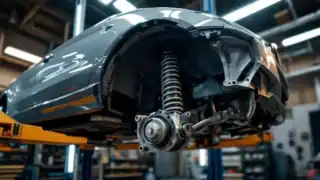
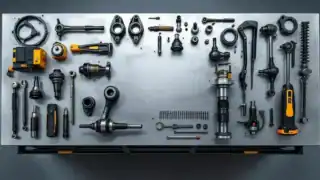
We start by raising the vehicle and conducting a thorough visual inspection of all suspension components. This includes checking control arms, ball joints, tie rod ends, anti-roll bar bushes, and mounting points for cracks, corrosion, or excessive movement. European vehicles, particularly those with independent suspension or multi-link designs, require careful attention to each pivot point and bush.
Next, we perform a hands-on test by grasping suspension arms and joints to detect play or looseness that wouldn’t be visible. We check shock absorbers or dampers by bouncing the vehicle and observing how quickly it settles. A vehicle should stop bouncing after about one or two cycles; more than that suggests dampers are worn. We also measure spring compression and inspect for any permanent sag that indicates failing springs.
For European vehicles, we cross-reference any findings against the manufacturer’s condition-based service schedule or logbook requirements. Some European brands use electronic suspension systems or adaptive damping, which we test using appropriate diagnostic equipment to ensure the system is responding correctly. We inspect the alignment as part of the check because suspension wear directly affects toe, camber, and caster angles. This is particularly important for brands like Volkswagen and Audi, which specify strict alignment tolerances in their service schedules.
Once the inspection is complete, we provide a clear written report detailing what we’ve found, what needs attention immediately, and what can be monitored for now. You’ll see photos of any worn components, and we’ll explain exactly what each issue means for your vehicle’s handling and safety.
Cost and Timeframe Factors
A suspension check itself takes 45 minutes to an hour and involves labour and diagnostic time only. The cost depends on how thorough the inspection is and whether we need to remove components to assess them properly. Some vehicles have more complex suspension geometry, which takes longer to inspect accurately.
If the inspection reveals worn components that need replacing, the cost will depend on which parts are affected. Suspension bushes, ball joints, and dampers vary widely in price depending on whether you choose OEM-equivalent parts or genuine European manufacturer parts. Parts availability can also affect timing; some European components are stocked locally, while others may need to be ordered. We always discuss options and timeline with you before proceeding with repairs.
Labour time for suspension repairs varies significantly. Replacing a damper might take two hours; replacing control arms or bushes could take longer depending on their position and how corroded fasteners are. We’ll give you a realistic timeframe once we know what needs fixing.
Why Choose ZP Automotive for Your European Vehicle’s Suspension in Mitchell
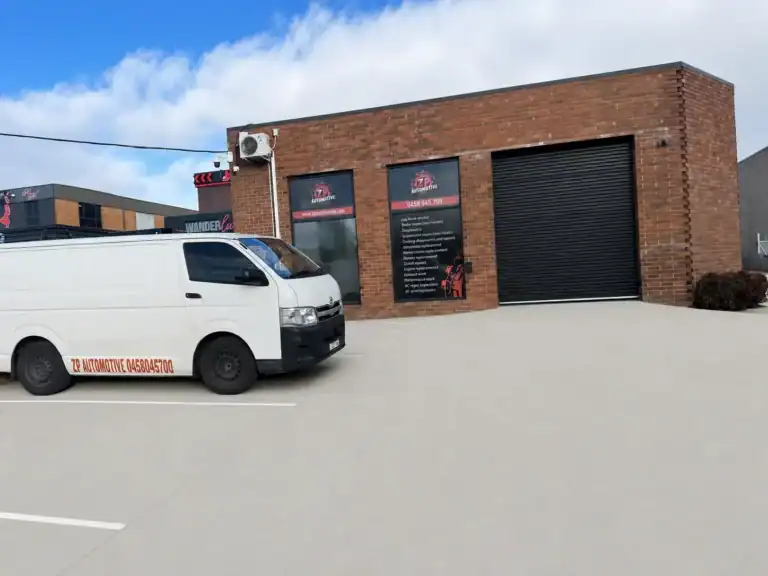
We’re an independent workshop in Mitchell with 10 years’ experience in the trade, and we specialise in honest diagnostics. When we inspect your European vehicle’s suspension, we explain what we find in plain English, not workshop jargon. If something can wait, we tell you. If it’s safety-critical, we’re direct about that too.
We use quality parts and genuine-equivalent components aligned to your vehicle’s manufacturer specifications, not cheap no-name stock. We don’t operate with dealership labour rates or service advisor upsell scripts. You deal directly with the mechanic doing the work, so you get transparent pricing and advice based on what your car actually needs.
If you’re running a European vehicle under manufacturer warranty or logbook servicing, a suspension check at an independent workshop won’t affect your warranty coverage. We understand how to service European vehicles properly while keeping your protection intact. Our experience across a range of European manufacturers means we recognise make-specific suspension issues and know what to look for before problems become serious.
Next Steps
If your European vehicle is showing any of the signs above, or you’re simply due for a suspension inspection, Call & Book Now or Claim Your Free Inspection to book a time in Mitchell. We’ll get your suspension checked thoroughly and give you honest advice on what needs doing.