A suspension check on Japanese vehicles is one of the most important diagnostic services you can have done, especially if your car has covered significant kilometres or you’ve noticed changes in how it rides and handles. The suspension system in Japanese vehicles like Toyota, Honda, Nissan, Mazda, and Subaru is engineered for precision and longevity, but it still wears over time and needs professional inspection to catch problems early. We perform thorough Japanese vehicles suspension checks here at our Mitchell workshop, looking at everything from worn bushes and dampers to alignment issues that affect safety and tyre life.
Warning Signs Your Japanese Vehicle Needs a Suspension Check
Several symptoms indicate it’s time to book a suspension check. If your car bounces excessively after hitting a bump, takes longer than usual to settle, or feels unstable when cornering, the dampers or springs may be worn. Uneven tyre wear is another red flag that points to suspension or alignment issues. Listen for clunking or knocking sounds from underneath the car when driving over rough roads, or when turning and braking. Steering wheel vibration, a pulling sensation to one side, or a noticeably soft or stiff ride compared to how the car used to feel all warrant a professional inspection.
Some owners don’t notice gradual changes because suspension wear happens slowly, which is why regular checks are worthwhile even if nothing feels obviously wrong. Japanese vehicles are often driven hard and put away wet, especially in Canberra’s climate, so suspension components experience real stress. If your vehicle is over 100,000 kilometres, or hasn’t had a suspension inspection in several years, that’s another good reason to bring it in to our Mitchell service centre.
What We Check During a Japanese Vehicles Suspension Inspection
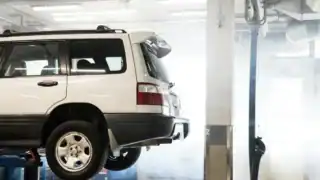
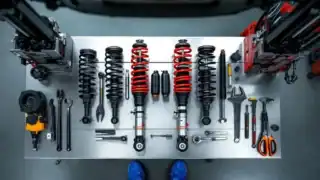
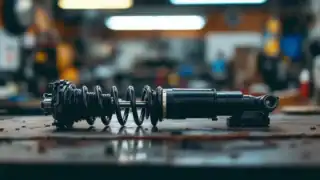
Our suspension check follows a structured process designed to catch problems before they become expensive repairs or safety hazards. We start with a visual inspection of all suspension components visible from underneath: springs, dampers, control arms, sway bars, and rubber bushes. We look for cracks, leaks in dampers, deformation, or rust that indicates wear or damage.
We then move to a hands-on check. With the car safely supported, we grasp each wheel and test for excessive movement, play in ball joints and tie rods, and wear in bushings. We check ride height compared to the manufacturer’s specifications, because sagging springs or compressed dampers change how the car sits and affects handling geometry. For Japanese vehicles, we reference the OEM service schedules specific to your model, because Toyota, Honda, and Nissan have different wear characteristics and inspection intervals.
We also assess steering response, brake feel, and how the car tracks in a straight line. These clues often point to suspension issues even before we get under the car. If we suspect alignment problems, we can arrange a full four-wheel alignment check with laser precision equipment to measure caster, camber, and toe against factory specifications.
Cost and Turnaround Factors for Suspension Work
A suspension check itself is a diagnostic service, so the cost is reasonable and covers our time and expertise. What affects the total bill is what we find. If components need replacement, the cost depends on whether you choose genuine OEM parts (often more expensive but guaranteed to match factory specifications) or quality aftermarket alternatives like those we stock from suppliers we trust. Japanese vehicle parts tend to be reasonably priced compared to European brands, which is one advantage of owning a Toyota or Honda.
The time to complete a check varies. A straightforward inspection takes an hour or so. If we discover worn dampers or bushes that need replacing, turnaround time depends on parts availability and the complexity of the repair. We’ll give you a clear picture of what’s needed and what it’ll cost before we start any work, so there are no surprises.
Why Choose Our Mitchell Workshop for Your Japanese Suspension Check
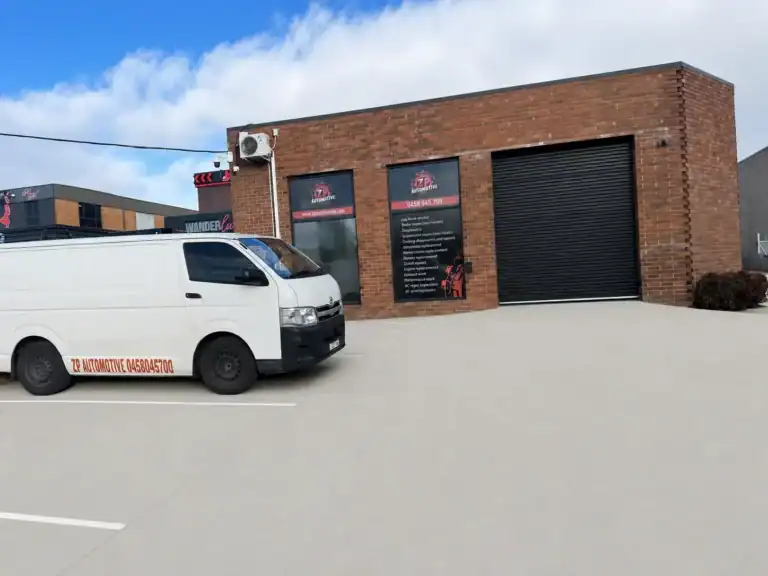
We’re owner-operated and family-run, which means you work directly with the mechanic doing the inspection, not a service advisor with a sales script. Brendan has over 10 years in the trade and understands Japanese vehicle construction and common wear patterns. We use quality parts when replacement is needed, not the cheapest no-name stock that fails early.
Our pricing is transparent and fair, without dealership labour rates. We explain what’s wrong, what it’ll cost, and what can wait. If your Japanese vehicle is still under warranty and needs logbook servicing, a suspension check fits within a scheduled service visit without affecting your manufacturer warranty. We also handle ACT rego inspections, which often include suspension checks as part of roadworthiness assessment.
Working with an independent workshop means you get honest advice and quality work at a price that reflects what the job actually costs, not what a large franchise charges for the same inspection.
Book Your Free Suspension Inspection Today
If you’ve noticed any of the symptoms above, or it’s simply been a while since your Japanese vehicle had a suspension check, call us or claim your free inspection online. We’ll get your car on the lift, find out what’s really going on, and tell you exactly what needs doing.