Owner-Operated Workshop
Quality Parts & Oils
5.0★ Rating
Transparent Pricing

5.0 (Verified Reviews)

Local Japanese Vehicles Suspension Repair In Mitchell

Suspension problems compromise safety and ride quality. We inspect Japanese vehicles thoroughly, diagnose faults clearly, and repair them right. Claim Your Free Inspection today.

Honest Advice

Quality Parts

5.0★ Rating

Japanese Suspension Diagnostics

Claim Your Free Check

Fill in the form and we'll get back to you promptly — no obligation.

Booking Form
  • Vehicle Details
  • Confirm Vehicle
  • Services
  • Contact Details
No Upsell Scripts
Quality Parts Used
Plain-English Advice

Why Book With Us

Claim Your Free Inspection
Drop Off Your Car
We Get to Work
Back on the Road

Japanese vehicles suspension repair is one of those services that separates a workshop that understands how these cars are built from one that treats them like any other vehicle. Japanese manufacturers like Toyota, Honda, Nissan, Mazda, and Subaru engineer their suspension systems with specific geometry, damping characteristics, and component tolerances that differ meaningfully from European or American vehicles. When suspension issues arise in Mitchell, you need a mechanic who recognises these differences and knows exactly what to look for. That’s where proper Japanese vehicles auto suspension repair makes the difference between a quick bandage fix and a long-term solution that keeps your car handling predictably and safely.

Common Signs Your Japanese Vehicle Needs Suspension Work

The suspension system on your Japanese vehicle does more than provide a smooth ride. It keeps your tyres planted on the road, controls how your car leans in corners, and supports the weight of everything you’re carrying. When things start to wear, you’ll notice it before anything actually fails.

  • Clunking or rattling noises from under the car, especially over bumps or during turning
  • Bouncing that doesn’t settle after you drive over a pothole or dip
  • Excessive body roll when cornering, or the car feeling like it’s leaning to one side
  • Uneven tyre wear, particularly on the inner or outer edges
  • The steering wheel pulling to one side when you’re not holding it firmly
  • A noticeable drop in ride height on one corner of the vehicle
  • Creaking or groaning sounds when accelerating or braking

None of these symptoms should be ignored. Japanese vehicles tend to give clear feedback when suspension components are wearing, but waiting too long can turn a straightforward repair into a costly one. A worn suspension strut or bush might start as a minor noise and end up affecting your steering alignment and tyre life.

What Japanese Vehicles Suspension System Repair Involves

Diagnosing suspension issues on Japanese vehicles requires knowing what to look for and how these vehicles are designed to work. Toyota and Lexus models, for instance, often use MacPherson strut configurations with specific spring rates. Honda vehicles frequently employ tighter tolerances in their suspension geometry. Nissan and Subaru models may have unique damper characteristics. We start every suspension repair with a thorough visual inspection and a test drive to understand how your vehicle is behaving.

Once we’ve identified the problem, here’s what the repair process typically includes:

  • Full suspension inspection including struts, springs, anti-roll bar links, bushes, and mounts
  • Wheel alignment check to identify if suspension wear has shifted your geometry out of spec
  • Load testing of springs and measurement of ride height to confirm if replacement is needed
  • Damper function testing, both visually and by feel during a test drive
  • Bush condition assessment, particularly in the lower control arms and anti-roll bar mounts

For Japanese vehicles, we use quality replacement parts and fluids that match OEM specifications. Whether that’s Penrite oils and lubricants for damper work or genuine-equivalent suspension components, we don’t cut corners on quality. If your vehicle is under warranty, logbook servicing keeps that protection intact, and genuine Japanese vehicle suspension repairs won’t void your manufacturer coverage.

What Affects Suspension Repair Time and Cost

Suspension repair costs and timeframes depend on several practical factors. A single worn bush might be a straightforward two-hour job. A complete strut replacement with wheel alignment can take longer and involve more parts. Whether you choose OEM parts or quality aftermarket alternatives affects cost without sacrificing durability. Parts availability for Japanese vehicles is generally good, but some models may need ordering if we don’t have stock on hand.

The severity of wear also matters. If the bushes have deteriorated and the struts are leaking, you might need more than one component replaced. If you’re addressing alignment issues alongside suspension repair, that’s additional diagnostic time but saves you from uneven tyre wear down the track. We’ll always explain what needs fixing now and what can wait, so you’re not paying for work you don’t need.

Japanese Vehicles Suspension Repair in Mitchell: Why ZP Automotive Is Different

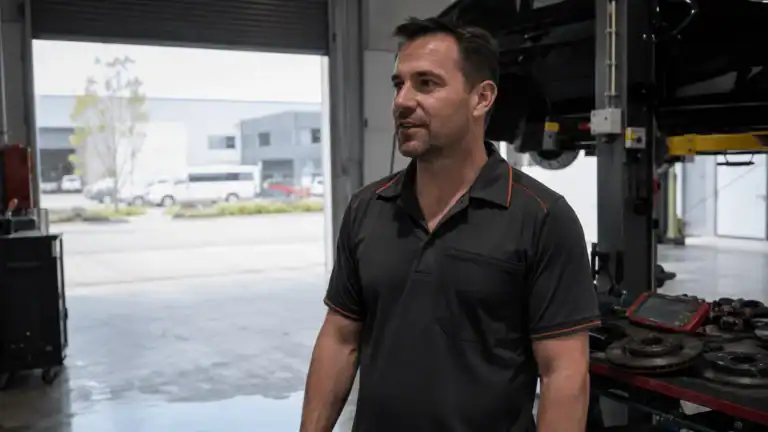
We’re an independent, owner-operated workshop with 10 years in the trade. That means you’re dealing directly with the mechanic doing the work, not a service advisor following a script. We know Japanese vehicles, we understand what proper suspension repair looks like, and we price fairly without dealership labour rates.

We use quality parts and fluids from brands like Penrite and Rico, not the cheapest no-name stock. Your suspension repair comes with honest, plain-English advice about what’s wrong, what it’ll cost, and what actually needs attention now versus later. If your vehicle is under logbook servicing, we’ll keep your manufacturer warranty intact. If you need an ACT rego inspection before a major repair, we can handle that too.

Get Your Japanese Vehicle Suspension Assessed

Japanese vehicle suspension repair done right protects your investment and keeps your car safe and predictable on the road. Whether you’ve noticed symptoms or just want to know the condition of your suspension before a long drive, we offer a free inspection. Call & Book Now to arrange your appointment at our Mitchell workshop, or Claim Your Free Inspection online and we’ll get your car handling the way it should.
Other Services

Whatever your needs we have you covered, see some similar services below or click "See All Services" to explore our full service offering.

Honest Mechanics, Fair Prices in Mitchell

Owner-operated and family-run, we give you straight answers, quality parts, and fair pricing without the dealership markup or the upsell scripts.

You Deal With the Mechanic

Talk directly to the owner — no service advisors, no middlemen, no upsell pressure.

Quality Parts, Honest Pricing

Bring your vehicle in and we’ll assess what’s needed before any work begins.

Japanese Vehicle Suspension Expertise

We diagnose Japanese suspension issues with brand-specific knowledge and proper tooling.

How Japanese Suspension Repair Works

From booking your free inspection through safe repair to collection, here's how we handle your suspension work.

Step 1

Claim Your Free Inspection

Claim your free inspection by calling or booking online to diagnose any suspension or handling issues.

Step 2

Suspension System Inspection

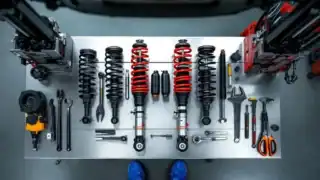
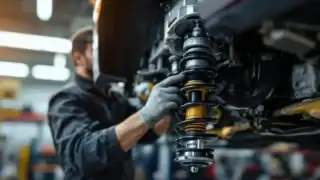
We lift and inspect struts, shocks, springs, and bushes using Japanese-vehicle diagnostics to pinpoint wear.

Step 3

Precision Suspension Repair

We replace worn components with quality parts and torque all fasteners to manufacturer specifications.

Step 4

Test Drive & Handover

We test-drive to verify smooth handling and safety, then walk you through the work before collection.

What Our Customers Say

5.0 (Verified Reviews)

Quality Parts From Trusted Suppliers

We use quality oils and parts from reputable suppliers — including Penrite and Rico — because what goes into your car matters as much as the work itself.

Claim Your Free Check

Fill in the form and we'll get back to you promptly — no obligation.

Booking Form
  • Vehicle Details
  • Confirm Vehicle
  • Services
  • Contact Details
No Upsell Scripts
Quality Parts Used
Plain-English Advice

Why Book With Us

Claim Your Free Inspection
Drop Off Your Car
We Get to Work
Back on the Road

Got Questions? We Have Answers

Browse the common questions below. If yours isn't listed, give us a call and we'll give you a straight answer.

Japanese vehicles suspension repair covers inspection, diagnosis, and repair of components that support your car’s weight and manage how it handles bumps and corners. This includes springs, shock absorbers, struts, anti-roll bars, control arms, and bushings. We inspect for wear, damage, or fluid leaks, then replace or repair what’s faulty. The goal is to restore smooth handling, eliminate clunks or squeaks, and keep your car safe on the road.

Watch for clunking or rattling sounds from under the car, especially over bumps. Uneven tyre wear, a bouncy or diving feel when braking, or pulling to one side are also red flags. If your car sits lower on one corner or feels less stable around corners, suspension work is likely needed. Don’t ignore these signs — a failing suspension affects braking ability and handling, which impacts safety.

Yes. Under Australian consumer law and ACCC guidance, having suspension work done at an independent mechanic generally does not void your manufacturer warranty, provided the service is done to a professional standard and the work itself doesn’t cause unrelated damage. Your warranty covers manufacturer defects, not wear items. Check your specific warranty document or contact the manufacturer if you’re uncertain about your particular vehicle and coverage.

We lift your vehicle safely and visually examine all suspension components for wear, cracks, or fluid leaks. We check how much play exists in joints and bushings, test shock absorbers for dampening, and look for uneven tyre wear patterns that hint at alignment or suspension issues. We’ll also listen for noises and feel for movement that shouldn’t be there. After inspection, we’ll explain what we’ve found and what needs attention.

Suspension isn’t typically serviced on a fixed schedule like oil changes. Instead, it’s inspected during regular logbook servicing and whenever you notice symptoms. Most vehicles can go 80,000 to 150,000 kilometres before major suspension work is needed, but this varies based on road conditions, driving style, and component quality. Rough roads, heavy loads, or aggressive driving wear suspension faster. We’ll advise during your logbook service if anything’s due for attention.

Cost depends on which components need repair, parts availability, and how labour-intensive the job is. Some Japanese vehicles have suspension designs that require more labour to access or replace. Quality of parts matters too — we use quality replacement components rather than cheap no-name stock. The number of components needing work also affects price. We’ll give you a clear quote after diagnosis so you know exactly what’s involved before we start.

Simple jobs like replacing worn bushings or a single shock absorber typically take a few hours. More involved work, like replacing strut assemblies on both sides or repairing multiple components, may take longer. We’ll give you a realistic timeframe once we’ve diagnosed the issue. Where possible, we aim to complete suspension work same-day, but we won’t rush safety-critical repairs just to hit a deadline.

We use quality replacement parts and oils, including Penrite products, rather than cheap no-name stock. For many Japanese vehicles, genuine OEM parts are available and we can source them if you prefer, though quality aftermarket alternatives often deliver the same durability at better value. We’ll discuss your options and recommend what makes sense for your vehicle. You’re never pushed into the most expensive option — we explain the real difference and let you choose.

It depends on what’s causing the noise. A minor squeak from a dry bushing is annoying but not immediately dangerous. However, a clunking sound often indicates loose or worn components that affect how your car handles and brakes. Continued driving on a severely damaged suspension increases risk of losing control, especially in emergency manoeuvres. If you’re hearing new noises, have it inspected promptly. We can usually fit you in quickly.

Yes, indirectly. A failing suspension forces your engine to work harder because the vehicle isn’t sitting at the correct height or angle, increasing rolling resistance and drag. Uneven tyre wear from suspension issues also creates extra friction. More importantly, poor suspension handling makes braking less effective and increases stopping distance, which compounds over time. Keeping suspension in good condition maintains efficiency and safety.

Continue to site