Owner-Operated Workshop
Quality Parts & Oils
5.0★ Rating
Transparent Pricing

5.0 (Verified Reviews)

Tried & Trusted Japanese Vehicles Suspension Specialist In Mitchell

We inspect, diagnose and repair suspension issues on Japanese vehicles in Mitchell. Get honest advice on what needs fixing now and what can wait, with transparent pricing upfront.

Honest Advice

Quality Parts

5.0★ Rating

Japanese Suspension Experts

Claim Your Free Check

Fill in the form and we'll get back to you promptly — no obligation.

Booking Form
  • Vehicle Details
  • Confirm Vehicle
  • Services
  • Contact Details
No Upsell Scripts
Quality Parts Used
Plain-English Advice

Why Book With Us

Claim Your Free Inspection
Drop Off Your Car
We Get to Work
Back on the Road

Japanese vehicles suspension specialist services address the specific suspension geometry, bushings, and damping characteristics built into models from Toyota, Honda, Nissan, Mazda, Subaru, and other Japanese manufacturers. These vehicles often have tighter tolerances and precision-engineered suspension components than their European counterparts, which means diagnosis and repair demand hands-on familiarity with Japanese engineering practices. At our Mitchell workshop, we’ve spent over a decade working on Japanese suspension systems, understanding how they behave as they age and what warning signs indicate genuine problems versus normal wear.

Common Signs Your Japanese Vehicle Suspension Needs Attention

Japanese vehicles tend to give you clear feedback when suspension components start to fail. The most obvious symptom is a change in how the car rides or handles. If your Toyota, Honda, or Nissan is sitting lower on one corner than it should, or if the car leans excessively when you turn a corner, something in the suspension geometry or damping has shifted. Clunking or creaking noises when you go over bumps, especially from the front end, often point to worn control arm bushings or ball joints. These components are common wear items on Japanese vehicles, particularly as they approach 80,000 to 120,000 kilometres.

  • Uneven tyre wear patterns (inside or outside edge wearing faster than the centre)
  • Steering wheel pulling left or right under normal driving
  • Bouncing or loss of control after hitting a bump, as if the suspension is not damping correctly
  • Visible oil leaks from shock absorbers or struts
  • Rattling or squeaking from under the car during acceleration or braking
  • Stiff or overly soft steering feel compared to how the car used to drive

Some symptoms are less obvious. If your car dives sharply when you brake, or the rear end squats under acceleration, the shock absorbers or struts may be worn out. Japanese suspension systems are sensitive to damping quality, so even a partly collapsed strut can affect the whole vehicle’s stance and handling feel. This is especially noticeable on Subarus, which use more aggressive suspension geometry, and on sports-oriented Honda and Nissan models where suspension tuning is integral to the driving experience.

What a Japanese Vehicles Suspension Specialist Actually Inspects

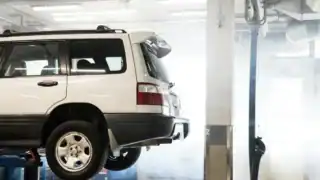
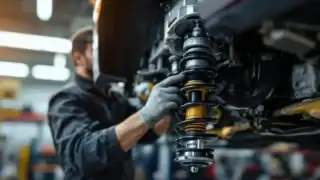
Diagnosing a suspension problem on a Japanese vehicle is not just a visual check. We start by placing the car on a lift and examining every component that could affect ride and handling. This includes control arm bushings, which deteriorate with heat and road salt, especially in older Corollas and Civics. We look at the condition of strut mounts at the top of the suspension tower, ball joints for play or torn boots, and sway bar bushings which are common wear points on Japanese cars used in stop-and-start city driving.

We also check suspension geometry using recognised diagnostic methods. Even if the components themselves are sound, incorrect alignment or a bent suspension arm from an old impact can cause the same symptoms as worn parts. For Japanese vehicles, we verify ride height and check whether the suspension is sitting at factory specification. On vehicles with independent rear suspension (common on modern Japanese sedans and hatchbacks), we inspect rear control arms, rear bushings, and lower trailing arm condition.

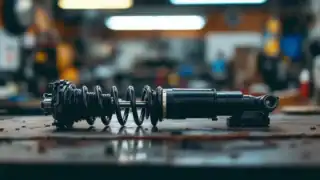
Damping is harder to measure without proper equipment. We use a combination of bounce tests and close inspection of shock absorber and strut bodies for leaks or damage. A strut that is weeping oil slightly may still be functioning, but one that is fully collapsed or has internal rod damage needs replacement. Japanese manufacturers often specify struts and shocks that are designed to last a specific service interval, so we check against the vehicle’s logbook to see whether service history aligns with current condition.

Cost and Time Factors for Japanese Suspension Repair in Mitchell

The cost of suspension work on a Japanese vehicle depends heavily on which components need replacement and whether you choose genuine Japanese parts or quality aftermarket equivalents. Wear items like bushings and ball joints are usually affordable and can often be replaced individually. Strut or shock replacement, however, is a bigger job. Labour time matters because some Japanese models pack components tightly, and removing one part requires removing others to access it properly.

Parts availability affects both cost and turnaround time. Common models like Toyota Corollas and Honda Civics have readily available parts at fair prices. Less common models or rare trim variants may require longer lead times. We use quality parts from brands we trust, not the cheapest no-name stock, because suspension components affect how safely your vehicle handles. Whether the vehicle is still under manufacturer warranty also influences which parts we recommend. Genuine or OEM-equivalent parts preserve logbook servicing eligibility and protect your warranty, whereas some aftermarket options may not.

Repair time varies from a few hours for bush replacements to a full day or more for complete strut replacement with alignment. We give you an honest estimate before we start, explaining what we found and what the work will cost, so there are no surprises when you collect the car.

Why Japanese Vehicles Suspension Needs a Specialist Approach

Japanese suspension design philosophy is different from European or American vehicles. Components are often lighter, more tightly packaged, and tuned for specific handling characteristics. A generic mechanic might replace parts correctly but miss the reason they failed in the first place. At our Mitchell workshop, we understand these nuances because we work on Japanese vehicles regularly. We know which components wear first on each model, what the common failure patterns are, and how to diagnose the root cause rather than just replacing the obviously worn part.

We also work with your vehicle’s logbook. If your Japanese car is still within the warranty period, we ensure that logbook servicing is carried out properly so your manufacturer warranty stays intact. We explain what your suspension needs honestly, what can wait, and what is safety-critical and should not be deferred. You deal directly with the mechanic doing the work, not a service adviser with a checklist, so you get straightforward advice and transparent pricing without dealership labour rates. Our 10+ years in the trade means we’ve seen every variant of Japanese suspension wear and failure, and we approach each vehicle with the detail and care it deserves.

Book Your Free Suspension Inspection Today

If your Japanese vehicle is showing suspension symptoms, or if you simply want to know whether your suspension is safe and sound, we can inspect it thoroughly and give you a clear picture of what you are dealing with. Claim Your Free Inspection online, or Call & Book Now to arrange a time that suits you at our Mitchell workshop.
Other Services

Whatever your needs we have you covered, see some similar services below or click "See All Services" to explore our full service offering.

Honest Mechanics, Fair Prices in Mitchell

Owner-operated and family-run, we give you straight answers, quality parts, and fair pricing without the dealership markup or the upsell scripts.

You Deal With the Mechanic

Talk directly to the owner — no service advisors, no middlemen, no upsell pressure.

Quality Parts, Honest Pricing

Bring your vehicle in and we’ll assess what’s needed before any work begins.

Japanese Suspension Expertise

We understand Japanese vehicle suspension design and repair common issues efficiently.

How Japanese Vehicle Suspension Repair Works

From booking to collection, we diagnose and repair your suspension safely and professionally.

Step 1

Claim Your Free Inspection

Claim your free inspection to diagnose suspension wear and get honest advice on what needs fixing.

Step 2

Suspension System Diagnosis

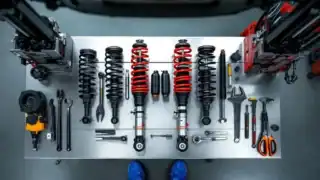
We inspect struts, springs, bushes and steering components using hands-on testing and measurement to identify wear.

Step 3

Precision Suspension Repair

We replace worn struts, springs, links and bushes using quality parts matched to your vehicle's specifications.

Step 4

Test Drive and Handover

We test your suspension, walk you through completed work, and send you home with a smooth, safe ride.

What Our Customers Say

5.0 (Verified Reviews)

Quality Parts From Trusted Suppliers

We use quality oils and parts from reputable suppliers — including Penrite and Rico — because what goes into your car matters as much as the work itself.

Claim Your Free Check

Fill in the form and we'll get back to you promptly — no obligation.

Booking Form
  • Vehicle Details
  • Confirm Vehicle
  • Services
  • Contact Details
No Upsell Scripts
Quality Parts Used
Plain-English Advice

Why Book With Us

Claim Your Free Inspection
Drop Off Your Car
We Get to Work
Back on the Road

Got Questions? We Have Answers

Browse the common questions below. If yours isn't listed, give us a call and we'll give you a straight answer.

We inspect your shocks or struts, springs, anti-roll bars, control arms, and bushings for wear or damage. We test suspension geometry and ride height, feel for knocking or clunking when the car moves, and check how your car sits compared to factory spec. We’ll explain what we find and what needs attention now versus what can wait. Japanese vehicles often have tighter tolerances, so we pay close attention to alignment and component wear that might not be obvious at first glance.

Most cars benefit from a suspension check every 12 months or 15,000 kilometres, whichever comes first. If you drive on rough roads, tow, or notice any changes in how your car handles, get it checked sooner. Shocks and struts typically wear faster than other suspension parts and may need replacement every 80,000 to 100,000 kilometres depending on your driving. We’ll assess your vehicle and let you know what’s due and what’s still fine.

Watch for clunking or creaking noises over bumps, a bouncy or unstable ride, uneven tyre wear, or the car leaning to one side when parked. If your car dips heavily when you brake or feels like it’s bottoming out over potholes, those are clear signs. A rough or wallowing feeling on normal roads suggests worn shocks or struts. Don’t ignore these signs because suspension issues affect braking and handling, which are safety-critical. Bring it in for a check as soon as you notice anything odd.

That depends on your warranty terms and what’s causing the issue. If a suspension component fails due to a manufacturing defect while still under warranty, the manufacturer should cover it. For independent servicing, Australian consumer law under ACCC guidance generally does not require you to use a dealership to maintain your warranty – this is general information, not legal advice. We recommend checking your specific warranty documents or asking your dealer about their stance. We can help diagnose the issue and advise on your options.

Generally, yes. Australian consumer law supports independent servicing without affecting manufacturer warranty, provided the work is done to a professional standard. The key is that the repair itself must be done properly – the brand of the workshop doesn’t void your coverage. We’ve serviced many Japanese vehicles with active warranties. Check your warranty paperwork or contact your dealer if you want confirmation for your specific case. We can provide service records and details of all work done.

Costs vary widely depending on what needs repair. A single shock or strut replacement is less expensive than replacing multiple components or fixing worn bushings and control arms. Parts quality, your vehicle type, and the extent of wear all affect the price. We’ll inspect your suspension, give you a clear breakdown of what’s needed and the cost of each item, and discuss what’s urgent versus what can be deferred. You’ll always know what you’re paying for before we start work.

A straightforward shock or strut replacement usually takes a few hours. More complex work like control arm or bushing replacement, or if we discover additional issues during inspection, may take longer. We’ll give you a timeframe once we’ve assessed the job. Where possible, we’ll get you in and out the same day. If it’s a bigger job, we’ll be upfront about timing and make sure your car is safe to drive home.

Japanese brands are generally well-engineered, but some common patterns emerge. Older Toyota and Mazda models can develop worn bushings and noisy anti-roll bars. Nissan vehicles sometimes show early strut wear. Honda suspension components are durable but can develop creaking in the steering column area as they age. We’ve seen plenty of these issues and know what to look for. Regular checks help catch wear early before it affects handling or safety.

Ignoring suspension issues gets expensive and risky. Worn shocks reduce your braking control and increase stopping distance, especially in emergency situations. Damaged control arms or bushings throw your alignment out, causing rapid and uneven tyre wear. The worse it gets, the more dangerous the car becomes – you could lose control in wet conditions or when swerving. Parts that are barely hanging on can fail completely without warning. Getting it fixed early costs far less than replacing tyres prematurely or dealing with an accident.

Absolutely. Your logbook records your service history; it doesn’t lock you into one workshop. We can continue your logbook servicing and stamp it when we complete work. As long as you have regular, professional servicing recorded, your warranty protection continues. Many customers switch between workshops for different services and maintain their logbooks without issue. Bring your logbook with you, and we’ll update it with whatever suspension work we do.

Both can cause similar symptoms, but there are clues. Uneven tyre wear often points to suspension or alignment problems – worn shocks and bushings let your wheels move out of true. A bouncy or unstable ride after bumps usually means shocks are gone. Clunking noises typically indicate loose components or failing bushings, not tyres. We’ll lift the car and inspect both the suspension and tyres. Sometimes it’s a combination of both – we’ll identify what’s causing the wear so you can fix the root issue.

We use quality parts that match your vehicle’s specifications, not the cheapest no-name stock. For many Japanese brands, good-quality aftermarket parts perform as well as genuine parts at better value. We discuss options with you and explain the differences. Your warranty status and budget help guide the choice. We source from trusted suppliers and stand behind the work we do. You’ll always know what parts are going on your car and why we’ve chosen them.

Continue to site