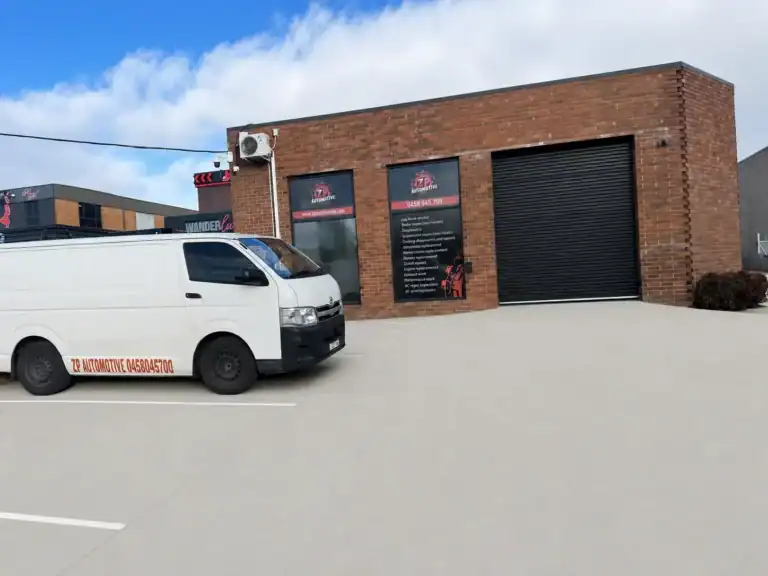
Volkswagen suspension systems are engineered for precise handling and comfort, but they’re also one of the first components to show wear on Australian roads. If your VW feels bouncy, dips heavily when braking, or leans excessively through corners, you likely need a Volkswagen suspension specialist to inspect the system before minor issues become costly repairs. At ZP Automotive in Mitchell, we diagnose and service Volkswagen suspension problems with the detail these vehicles demand, using genuine-spec parts and Volkswagen-aware diagnostic methods that keep your car performing as the engineers intended.
Warning Signs Your Volkswagen Suspension Needs Attention
Volkswagen vehicles typically signal suspension trouble early if you know what to listen and feel for. Unlike some makes, VWs tend to deteriorate noticeably rather than fail suddenly, giving you a window to address problems before they affect safety or other drivetrain components.
- Bouncy or floating ride after bumps; the car takes longer to settle than it used to
- Excessive body roll when turning, or the car leans heavily to one side
- Clunking or knocking sounds from under the car, especially over rough ground
- Uneven tyre wear, often a sign that suspension geometry is out of alignment
- Dipping or nose-diving when braking hard
- Sagging on one corner, indicating a failed spring or damper
- Steering feels vague or imprecise compared to normal
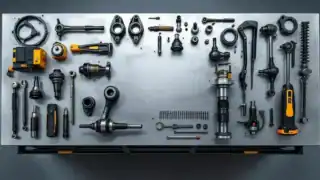
VW suspension systems rely on carefully balanced springs, dampers, control arms, and bushings working in concert. Once wear begins, it accelerates quickly because stressed components force others to work harder. A simple worn bush can eventually damage a control arm or prematurely wear a damper.
How We Diagnose and Service Volkswagen Suspension in Mitchell
A proper Volkswagen suspension specialist doesn’t just replace parts; they understand how VW’s multi-link and independent suspension designs work and what causes common failure patterns across different models. Our approach starts with a thorough inspection guided by Volkswagen service schedules and diagnostic protocols.
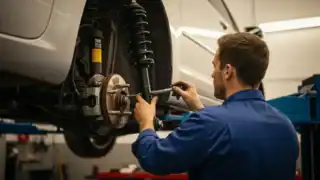
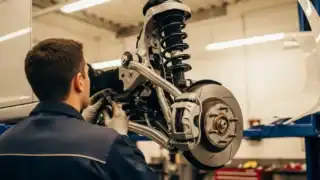
Initial inspection: We lift the vehicle safely and visually examine all suspension components under load and at rest. This includes springs, dampers, control arms, anti-roll bar links, bushings, and mounting points. Visual wear and fluid leaks from dampers tell us immediately where problems are developing.
Movement testing: We check for play in ball joints, track rod ends, and control arm bushings by hand, and listen for clunks or creaks that indicate worn components. VW suspension bushings are common wear items, and early detection prevents cascading damage.
Alignment check: We measure wheel alignment angles against VW factory specifications. Misalignment often stems from worn suspension geometry and always accelerates tyre wear. If alignment is out, we identify the root cause rather than simply adjusting it back and ignoring the underlying problem.
Damper efficiency test: We assess how well each damper is controlling spring movement. VW dampers degrade gradually, and by the time the ride feels obviously soft, they’ve usually been losing control for months. Early replacement prevents secondary wear on springs and mounts.
Once we’ve identified what needs work, we explain exactly what we’ve found, why it matters for safety and handling, and whether it’s urgent or can be scheduled around your budget and plans.
Parts and Costs: What Affects Your Suspension Service Bill
Volkswagen suspension repair costs vary widely depending on what’s actually failed and how many components need replacement. We use genuine Volkswagen-specification parts or trusted equivalent components from suppliers like Penrite and Rico, never cheap no-name stock that compromises handling or durability.
Single component replacements like a failed damper, control arm, or anti-roll bar link are typically faster and lower-cost jobs. Multiple suspension work that addresses worn items such as both front dampers plus control arm bushings plus a track rod end takes longer and costs more, but solves the underlying handling problem and prevents future failures cascading from one worn part to the next.
Age and mileage heavily influence what needs work. A 10-year-old VW with 150,000 kilometres will almost certainly need damper replacement and likely bushings. A 5-year-old car with 80,000 kilometres might need only one damper and a ball joint. We don’t upsell unnecessary work; we tell you what we find and let you decide what to fix now and what to monitor.
Availability of parts can add time to larger jobs. Genuine VW parts sometimes take a week or two if we don’t have them in stock. We keep common items on hand and order others as soon as we’ve diagnosed the issue, so you know upfront whether the job will take a day or longer.
Why Choose ZP Automotive for Your Volkswagen Suspension Work
You could take your VW to a dealership, but dealership labour rates are significantly higher than independent shops, and you’re often paying for a service adviser, corporate overhead, and administrative costs that independent workshops avoid. Here at ZP Automotive in Mitchell, you deal directly with the mechanic doing the work. There’s no service adviser, no upsell scripts, and no pressure to replace parts you don’t need.
We’ve spent more than a decade working on Volkswagen vehicles and understand the quirks and common issues across the range. We use quality parts such as Penrite oils, Rico components, and genuine-spec items that match VW engineering standards. We explain what’s wrong and what it costs before we start, so you’re never surprised by the bill.
Crucially, choosing an independent specialist doesn’t void your manufacturer warranty. If your VW is still under warranty, logbook servicing by a qualified independent mechanic keeps that protection intact while saving you dealership service costs. Our experience with Volkswagen suspension systems means we know exactly which parts wear first and what preventative work can save you money long-term.
We also handle related services that often go hand-in-hand with suspension work, including wheel alignment, tyre assessments, and brake inspections. A suspension problem frequently affects braking response and tyre wear, so we look at the whole picture rather than fixing one component in isolation.
Book Your Volkswagen Suspension Inspection Today
If your VW’s handling has changed, or you’ve noticed any of the warning signs above, don’t wait for the problem to worsen. Call & Book Now or Claim Your Free Inspection to have our team diagnose exactly what your suspension needs. We’ll explain what we find in plain language and help you plan the work that makes sense for your car and budget. Contact ZP Automotive in Mitchell today.