Mitsubishi suspension specialist work starts with understanding that your suspension system does far more than just cushion the bumps. It keeps your wheels planted on the road, maintains steering control, and affects how safely your car handles in corners or emergency manoeuvres. For Mitsubishi owners in Mitchell, suspension issues can creep up gradually or announce themselves suddenly, but either way, they deserve proper diagnosis and repair from someone who knows how Mitsubishi’s specific suspension geometry and components work.
Common Suspension Warning Signs in Mitsubishi Vehicles
Mitsubishi models, from compact hatchbacks to SUVs like the Outlander, use suspension setups tuned for Australian roads and driving conditions. When something goes wrong, you’ll usually notice one or more of these signs:
- A clunking or rattling noise from underneath when driving over bumps or potholes
- The car sitting lower on one side than the other, or sagging noticeably at the rear
- Steering wheel vibration or vagueness, particularly at highway speeds
- Uneven or excessive tyre wear, especially on the inner or outer edges
- The car bouncing excessively after hitting a bump, or taking longer to settle
- Difficulty cornering smoothly, or a feeling of leaning heavily to one side
- A grinding or squealing sound when turning the steering wheel fully
Don’t wait for multiple symptoms to stack up. A single sign warrants an inspection, especially if your Mitsubishi is covering regular kilometres around Mitchell’s varied terrain.
What We Inspect During a Mitsubishi Suspension Specialist Assessment
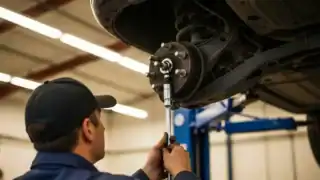
A proper suspension diagnostic on a Mitsubishi involves more than just a visual look. We follow a structured inspection process that covers all the key components.
Shock Absorbers and Struts
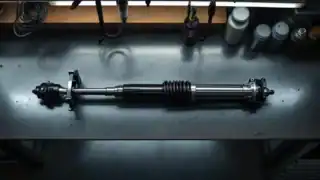
Mitsubishi suspension systems rely on shock absorbers or strut assemblies to dampen movement and keep the tyres in contact with the road. We check for oil leaks around the unit, listen for internal noise, and test how the vehicle responds to compression and bounce. A worn shock absorber might not fail suddenly, but it degrades handling and increases stopping distances.
Springs and Suspension Bushes
Coil springs and leaf springs can crack, sag, or lose their original height over time. Rubber bushes that connect suspension components to the chassis deteriorate from heat, UV exposure, and constant flexing. On Mitsubishi vehicles, worn bushes often cause the clunking noises owners notice when driving over rough surfaces. We inspect these for splits, cracking, and hardening.
Control Arms and Ball Joints
These steering and suspension links are critical for wheel alignment and steering response. Ball joints in particular wear gradually, and a failing joint can affect how your tyres wear and how safely you corner. We check for excessive play, cracks, and rusted fasteners.
Sway Bars and Links
Mitsubishi suspension geometry often includes sway bars designed to reduce body roll during cornering. Worn links cause a clunking noise and reduce handling stability. We test these for wear and secure attachment.
Why Suspension Condition Matters for Safety and Cost
Suspension isn’t just about comfort. It directly affects your ability to steer, brake, and avoid obstacles. A worn suspension system increases stopping distances, reduces grip in wet conditions, and makes your car harder to control on rough roads. The secondary cost matters too: failing suspension components often accelerate tyre wear, which compounds the expense of repairs.
Catching suspension problems early prevents costlier cascading damage. A single worn shock absorber, left unchecked, can damage springs and bushes over time. On Mitsubishi models, especially older Outlanders and Lancers in regular use, suspension maintenance is routine.
What Affects Repair Time and Cost for Mitsubishi Suspension Work
Several factors influence how long a suspension repair takes and what it will cost. The specific component that needs replacement matters: a simple bush replacement takes less time than a full strut assembly swap. The age and condition of the vehicle also play a role. If your Mitsubishi is a recent model, parts are usually available quickly. If it’s an older generation, we may need to source components, which can extend the timeline.
We always use quality parts and fluids. For suspension work, that means parts that meet Mitsubishi’s original specification or genuine equivalents, not no-name aftermarket stock. This approach costs more upfront but delivers reliability that matches how your car was engineered.
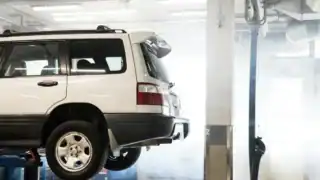
Access difficulty varies by model. Some suspension work is straightforward; other repairs require the vehicle to be on a hoist for extended periods. We’ll always explain what a job involves and what time and cost estimates mean before we start.
Why Choose ZP Automotive for Mitsubishi Suspension Work in Mitchell
We’re an independent workshop run by someone with 10 years in the trade, not a dealership or franchise chain. That difference matters when you need honest advice. We’ll explain what’s actually wrong with your suspension, what it’ll cost to fix, and what can wait. No service advisor script, no upsell pressure.
We deal directly with you and the mechanic doing the work. You get plain-English diagnosis, transparent pricing without dealership labour rates, and fair decisions about whether to repair or replace. For Mitsubishi suspension diagnostics and repairs, we inspect thoroughly, use quality parts and oils, and treat your vehicle as we’d treat our own.
Claim Your Free Inspection online to book a time that suits you, or Call & Book Now to discuss your Mitsubishi’s suspension concerns. We’ll get your car sorted and back on the road safely.