A Hyundai suspension check is a thorough inspection of the components that keep your vehicle stable, comfortable, and safe on Australian roads. Your suspension system works constantly to absorb bumps, maintain tyre contact with the road, and distribute your vehicle’s weight evenly. Unlike an oil change or filter swap, suspension problems don’t announce themselves with warning lights on the dash. Instead, they creep up through strange noises, spongy steering, or a ride that feels progressively less controlled. At our Mitchell workshop, we’ve found that suspension wear is a real concern many drivers overlook until something fails.
Warning Signs Your Hyundai Suspension Needs Inspection
Hyundai vehicles show clear signals when suspension components are wearing. The trick is catching them early, before a worn component damages something else or affects your safety. Common signs that a suspension check is overdue include:
- Clunking or creaking noises from the front or rear when turning, braking, or hitting bumps.
- Soft, bouncy steering that feels disconnected or delayed in response.
- The car dips or nose-dives heavily when braking, or leans excessively through corners.
- Uneven tyre wear, particularly on the edges of the tread, suggesting misalignment or worn suspension geometry.
- A noticeably rougher ride over small bumps, as if shock absorbers have lost their dampening ability.
- Visible damage to rubber bushings around suspension arms, or oil leaks from shock absorber bodies.
Hyundai’s suspension architecture, particularly on popular models like the i30, Tucson, and Santa Fe, relies heavily on control arm bushings and shock absorber durability. These wear faster in Australian conditions due to heat and rough road surfaces. If you’ve noticed your car feeling less planted lately, a suspension check is the smart first step before small issues snowball into expensive repairs.
What a Hyundai Suspension Check Involves
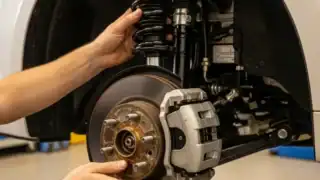
When you bring your Hyundai in for a suspension check, we carry out a systematic inspection that goes far beyond a visual glance. We lift the vehicle safely and examine every major suspension component under load and at rest, checking for wear, damage, and correct geometry. For Hyundai models, we follow diagnostic procedures that account for the specific suspension layout and service specifications outlined in Hyundai’s technical manuals.
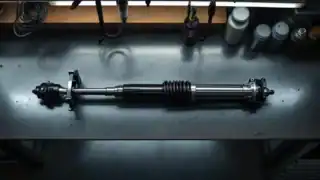
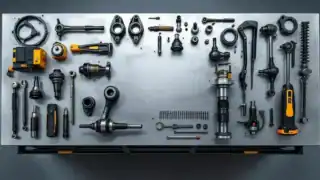
Our inspection includes detailed testing of shock absorbers, strut assemblies, control arms, anti-roll bar links, and all rubber bushings. We check the condition of springs and measure suspension ride height to identify sagging. We also inspect steering components integrated with the suspension system, such as tie rod ends and steering column support brackets. For Hyundai vehicles, we verify that all fasteners are torqued to manufacturer specifications, as loose or over-tightened fasteners are a common source of noise and premature wear.
Once the physical inspection is complete, we test the vehicle’s handling on the road, noting how it responds to steering input, braking force, and cornering. If we identify wear or damage, we explain exactly what’s wrong, where it is, and what will happen if it’s left unaddressed. You’ll understand the priority of each finding and the realistic timeframe before attention is needed.
Cost and Timeframe Factors for Suspension Work
The cost and duration of suspension work depends on several variables that are worth understanding upfront. A basic Hyundai suspension check, involving inspection and diagnosis, typically takes 60 to 90 minutes. If we identify wear and recommend repairs, the final cost depends on which components need replacement, whether you choose genuine Hyundai parts or quality aftermarket equivalents, and the overall condition of related systems.
Minor issues such as worn bushings or a single worn shock absorber are straightforward and affordable. More complex situations, like a corroded or seized suspension arm that requires special removal techniques, or replacement of multiple components at once, naturally take longer and cost more. We don’t charge extra for expertise or rush jobs. We use quality parts from trusted suppliers, not the cheapest no-name stock, because your Hyundai deserves parts that will last. Parts availability in our Mitchell area is generally quick for common Hyundai models, so you’re unlikely to face long delays.
Why Hyundai Owners Choose Our Mitchell Workshop
You deal directly with the mechanic doing the work. There’s no service advisor, no upsell scripts, and no dealership labour rates eating into your wallet. Brendan, owner and lead technician, has more than 10 years in the trade and approaches every suspension check with the same care he’d give his own vehicle. We explain what’s wrong and what it’ll cost in plain English. If something can wait, we’ll tell you. If it’s a safety issue, we won’t dance around it.
Our logbook servicing covers suspension components as part of your vehicle’s scheduled maintenance, and working with us won’t affect your Hyundai’s manufacturer warranty. We work with quality brands like Penrite oils and Rico spare parts, backing our work with honest, transparent pricing. We’ve built our reputation on fairness and reliability, not on being the cheapest option around. We also offer brakes, wrong-fuel recovery, vehicle lockout and roadside assistance, air conditioning servicing, and engine diagnostics.
When to Book Your Free Suspension Inspection
Regular suspension checks are part of responsible vehicle ownership, especially if you drive on rough roads or frequently travel between Mitchell and regional areas. If you’ve noticed any of the warning signs mentioned above, don’t wait. A suspension inspection now could prevent a breakdown later and keep your family safe on the road.
Call and book now to schedule your Hyundai suspension check at our Mitchell workshop. We’ll get your vehicle inspected, explain what we find, and give you honest advice on next steps. You can also claim your free inspection online if that suits you better.