When your Mazda’s air conditioning stops blowing cold air, the problem isn’t always obvious from the driver’s seat. Mazda car air con repair requires a methodical diagnostic approach because the system involves refrigerant, compressors, condensers, and electrical controls working together. If you’re in Mitchell or nearby areas and your Mazda’s air con has lost its cool, understanding what might be wrong helps you make a confident repair decision.
When Your Mazda Air Con Stops Working
The symptoms that bring people in are usually straightforward. You turn on the air conditioning and feel warm or tepid air coming through the vents instead of cold. Sometimes the compressor clicks on and off repeatedly. Other times the system blows air but won’t cool at all. A few tell-tale signs suggest you need air con repair sooner rather than later:
- No cold air, or only slightly cool air even with the system on full
- A hissing or bubbling sound near the compressor or under the bonnet
- A sweet or chemical smell from the air vents, which can indicate refrigerant leakage
- Visible oil stains around air con components under the bonnet
- The compressor engages but the engine sounds like it’s working harder than usual
- Misting or moisture inside the cabin, suggesting moisture in the refrigerant
Mazda vehicles, especially models from 2010 onwards, commonly use R134a refrigerant. If your system has gradually lost cooling power over months rather than failing suddenly, a slow refrigerant leak is the most likely culprit. Salt and humidity in the Canberra region can accelerate corrosion in air con lines, so vehicles in Mitchell sometimes need repair sooner than those in drier areas. This regional factor makes understanding your specific Mazda’s age and service history important when diagnosing cooling problems.
How We Diagnose Your Mazda Air Con System
We start with a visual inspection and listen to what the system is telling us. The compressor should cycle on smoothly when you request cooling; if it’s not engaging at all, the electrical side may be the issue. We check the condenser and receiver drier for obvious damage, corrosion, or blockages.
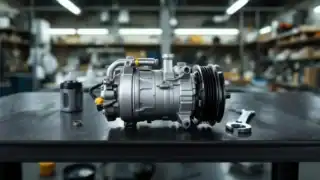
The critical diagnostic step is measuring refrigerant pressure using specialist gauges. This tells us whether the system is undercharged, overcharged, or completely empty. We also test the electrical connections to the compressor clutch, the high-pressure cutout switch, and the thermal expansion valve if your Mazda model uses one. On Mazda vehicles, we check the cabin air filter and the blower motor function as well, because weak airflow sometimes masks a cooling problem. Mazda’s air con system design means we follow their specific diagnostic procedures to avoid missing electrical faults that other workshops might overlook.
If we identify a leak, we may perform a dye test to pinpoint where refrigerant is escaping. This involves adding ultraviolet-fluorescent dye to the system, running it briefly, then using a special ultraviolet lamp to spot the leak location. Leaks can occur at hose connections, seals, the compressor itself, or small cracks in aluminium components. Once we know what’s wrong, we explain your options: seal repair, component replacement, or full system regas if the leak is small and has been sealed.
What Affects the Cost and Duration of Your Mazda Air Con Repair
The time and cost of Mazda air con repair depend largely on what’s actually failed. A simple regas with leak sealing might take a few hours. A compressor replacement is a bigger job that requires removing and replacing multiple components, draining the old refrigerant safely, and refilling the system to specification. Parts availability matters too: genuine Mazda compressors are reliable but take longer to source than aftermarket equivalents. We use quality refrigerant and lubricating oils matched to your Mazda’s system specification, not the cheapest generic stock.
We don’t charge dealership labour rates. Our pricing is transparent, and we’ll walk you through what needs doing before we start. If a repair can wait or if you’re weighing options between a temporary fix and a full replacement, we’ll give you that honest advice. We explain what it’ll cost, what’s urgent, and what’s optional. Diagnostics alone help you understand whether the problem is minor or major before committing to expensive parts replacement.
Why Mazda Air Con Repair Matters Now
Driving without air conditioning during a Canberra summer isn’t just uncomfortable; it affects your concentration and safety. A functioning air con also prevents moisture and mould buildup inside the cabin, which protects interior trim and reduces odours. Winter driving with a faulty air con means your windscreen demister won’t work properly, creating a safety hazard. For Mazda owners, the air con system is tied to the cabin climate control, so any fault affects both heating and cooling capability.
Why Choose Our Mitchell Workshop for Your Mazda
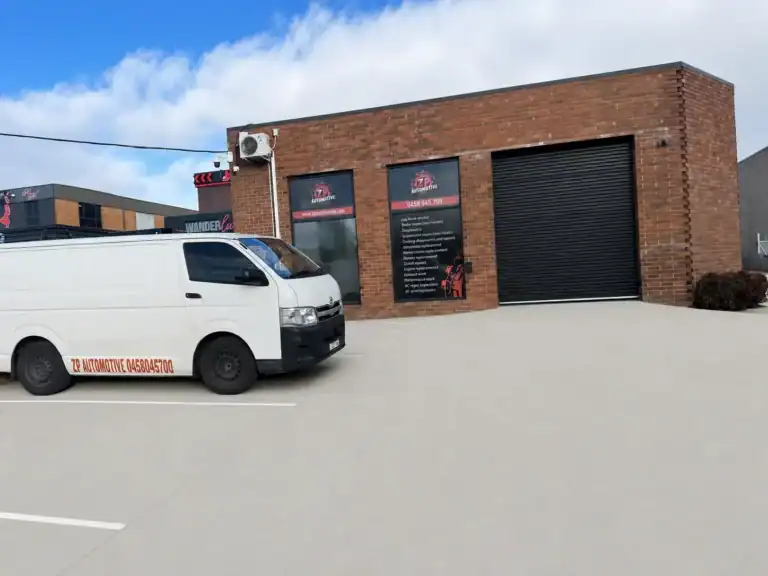
We’re an independent, owner-operated workshop where you deal directly with the mechanic doing the work. No service advisor, no upsell scripts, no dealership labour rates. Brendan has over 10 years in the trade and knows Mazda vehicles inside out. We use quality parts and oils from trusted brands like Penrite and Rico, matched to your Mazda’s specifications. Your logbook servicing remains valid with us, so manufacturer warranty protection stays intact if your vehicle is still under coverage.
We’ve handled countless air con repairs for Mazda owners across Mitchell and the surrounding suburbs. We specialise in diagnostics, engine checks, logbook servicing, ACT roadworthy inspections, and brake work. What sets us apart is honest, plain-English advice: we tell you what’s wrong, what it costs, and what can wait. You’re not paying for guesswork or unnecessary parts when a Mazda air con diagnostic reveals the real problem.
Next Steps for Your Mazda Air Con Repair in Mitchell
If your Mazda’s air con isn’t cooling or you’ve noticed any of the warning signs above, Call and Book Now or Claim Your Free Inspection online. We’ll diagnose the problem and explain exactly what needs doing. You’ll know the cost and timeframe before we start work.