If your Mitsubishi’s air conditioning isn’t cooling like it used to, or if it’s stopped working altogether, Mitsubishi car air con repair is one of the most common services we handle at our Mitchell workshop. A failing AC system doesn’t just affect your comfort on hot days—it can impact your driving experience, resale value, and even the longevity of other components that rely on the cooling system. Whether you’re driving an ASX, Outlander, Lancer, or another Mitsubishi model, the air conditioning system is a complex network of refrigerant lines, compressors, condensers, and electronic controls that can develop faults in several ways.
Signs Your Mitsubishi AC System Needs Repair
The warning signs of AC trouble are usually obvious, but sometimes they creep up gradually. Watch for these common indicators that your Mitsubishi auto air conditioning needs professional attention:
- Weak or warm air blowing from the vents, even when the system is running at full power
- The AC compressor engaging and disengaging repeatedly, or not engaging at all
- Unusual noises from the engine bay when the AC is switched on—grinding, squealing, or rattling sounds
- Visible refrigerant leaks or oily stains around the compressor or hose connections
- Musty or foul odours coming through the vents, indicating bacterial or mould growth in the evaporator
- The cabin not cooling despite the system running, or only cooling on certain settings
- Dashboard warning lights related to the AC or climate control system illuminating
Some Mitsubishi models are prone to specific AC issues. Older ASX and Outlander models, for example, can develop compressor wear over time, whilst newer models occasionally experience electronic control module faults. If you’ve noticed any of these symptoms in your Mitsubishi vehicle, a proper diagnostic is the first step—and it’s the only way to know what actually needs fixing rather than guessing and paying for unnecessary parts.
What We Do During Mitsubishi AC Repair and Diagnostics
When you bring your Mitsubishi in for air con repair, we start by understanding exactly what you’re experiencing. Is it cooling weakly, not at all, or intermittently? We then run a systematic inspection and diagnostic process specific to Mitsubishi’s AC architecture.
Diagnostic Steps
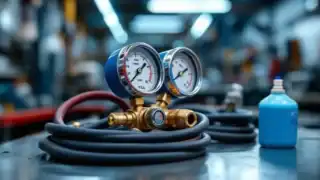
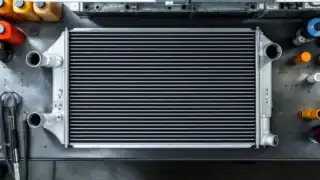
We use purpose-built AC diagnostic equipment to measure refrigerant pressure on both the high and low side of the system. This tells us immediately whether the refrigerant charge is correct, too low, or completely depleted. We check the compressor clutch engagement using a multimeter and visual inspection—if it’s not engaging, the fault may be electrical, mechanical, or refrigerant-related. We inspect all hose connections, the condenser (mounted at the front of the radiator), the evaporator housing (inside the cabin), and the receiver-drier or accumulator for signs of leaks, corrosion, or blockages. For electronic AC control systems common in newer Mitsubishi models, we scan the climate control module for stored fault codes that point to specific component failures.
Common Repair Scenarios
Refrigerant top-up is the most frequent fix—many Mitsubishi systems lose charge gradually through micro-leaks in hose fittings or the compressor seal. We identify the leak source, repair it if possible, then recharge with the correct refrigerant type and quantity to Mitsubishi OEM specifications. Compressor replacement is more involved; a failed compressor usually means replacing the entire unit plus the receiver-drier to prevent contamination of a new compressor. Condenser cleaning or replacement addresses blockages from road debris or internal corrosion. Evaporator flushing or replacement handles mould growth and odour issues. Electrical repairs cover compressor clutch failure, AC pressure switches, and climate control module faults—common on some Mitsubishi generations.
What Affects Cost and Repair Duration
AC repair costs depend on several factors specific to your situation. The underlying fault makes the biggest difference—a refrigerant top-up and leak seal is far simpler and faster than a compressor replacement. Parts availability matters too; genuine Mitsubishi AC components are readily available, but some older or discontinued model parts may need to be sourced. We use quality Penrite oils and parts that meet Mitsubishi specifications, not budget no-name equivalents that fail prematurely.
Labour time varies. A straightforward diagnostic and leak repair might take 2-3 hours. A compressor replacement with system evacuation, repair, and recharge can take a full day. We’ll explain what we find and give you a clear picture of what it’ll cost and how long it’ll take before we start work—no surprises, no upsell for parts you don’t need.
Why Choose ZP Automotive in Mitchell for Mitsubishi Air Conditioning Repair
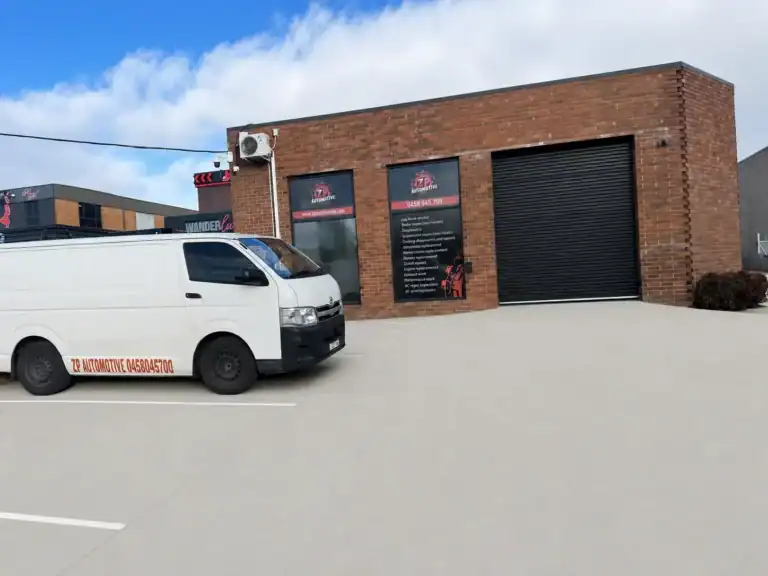
We’re an independent, owner-operated workshop with over 10 years in the trade. The team works on Mitsubishi air con systems regularly, so we understand the common faults and the best repair approach for each model. You’re not paying dealership labour rates, and you’re not dealing with a service advisor reading from a script—you deal directly with the mechanic doing the work. We use quality parts and oils, we give honest advice about what needs fixing and what can wait, and we keep your manufacturer warranty intact with proper logbook servicing. That combination of fair pricing, transparent communication, and genuine expertise is what sets an independent workshop apart from the dealership chain.
Our Mitchell workshop also handles wrong-fuel recovery, vehicle lockouts, roadside assistance, logbook servicing, engine diagnostics, and general vehicle repairs. Whether your Mitsubishi needs urgent AC repair or scheduled servicing, we’re here to help without the corporate overhead.
Ready to get your Mitsubishi’s air conditioning working again? Call & Book Now to schedule your appointment, or Claim Your Free Inspection online. We’ll diagnose the fault and let you know exactly what needs to be done.