Owner-Operated Workshop
Quality Parts & Oils
5.0★ Rating
Transparent Pricing

5.0 (Verified Reviews)

Expert Japanese Vehicles Car Air Con Repair In Mitchell

Japanese car air con running hot or weak. We diagnose and repair cooling systems with factory-spec parts and transparent pricing. Call us to book your inspection.

Honest Advice

Quality Parts

5.0★ Rating

Japanese AC Diagnostics

Claim Your Free Check

Fill in the form and we'll get back to you promptly — no obligation.

Booking Form
  • Vehicle Details
  • Confirm Vehicle
  • Services
  • Contact Details
No Upsell Scripts
Quality Parts Used
Plain-English Advice

Why Book With Us

Claim Your Free Inspection
Drop Off Your Car
We Get to Work
Back on the Road

When your Japanese vehicle’s air conditioning stops blowing cold air or loses its cooling power, Japanese vehicles car air con repair becomes urgent. Whether you drive a Toyota, Honda, Nissan, Mazda, Mitsubishi, or Subaru, air conditioning failure isn’t just about comfort — it affects how safely and comfortably you can drive, especially during Canberra’s warmer months. At ZP Automotive in Mitchell, we diagnose and repair air con systems specifically tuned to Japanese vehicle engineering, using factory-aligned diagnostic equipment and parts that match your car’s original specifications.

Common Signs Your Japanese Vehicle’s Air Con Needs Service

Japanese vehicles tend to signal air con trouble clearly if you know what to listen and feel for. The most obvious sign is weak or warm air coming from the vents, even when the compressor is running and you’ve set the temperature to maximum cold. You might also notice:

  • Air feels cool at first but gradually warms up after five or ten minutes of driving
  • Compressor cycles on and off rapidly, making a clicking or clunking noise from the engine bay
  • Strange smells – sweet, musty, or chemical odours – when you turn on the air con
  • Hissing or bubbling sounds near the compressor or receiver dryer
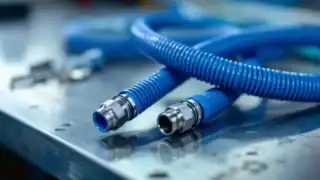
  • Visible oil residue or moisture around air con hoses and fittings under the bonnet
  • Air con button illuminates but the compressor does not engage at all

On Japanese vehicles particularly, refrigerant leaks are common at compressor seals and connection points. Because these vehicles use precise refrigerant charges – often R134a in older models or R1234yf in newer ones – even a small loss reduces cooling performance dramatically. If your Subaru, Toyota, or Honda’s air con hasn’t been serviced in over two years, a preventative inspection is wise. Moisture can accumulate inside the system, damaging the compressor and receiver dryer over time.

How We Diagnose and Repair Japanese Vehicle Air Con Systems

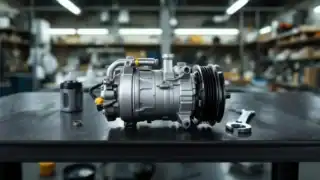
Repairing Japanese vehicles car air con at our Mitchell workshop starts with proper diagnostics. We don’t guess or throw parts at the problem. Every air con repair begins with a full system inspection using equipment that reads refrigerant pressure, checks electrical inputs to the compressor clutch, and inspects compressor oil condition.

Our diagnostic process includes:

  • Pressure testing on both high and low sides of the refrigerant circuit to pinpoint leaks or blockages
  • Electrical continuity checks on the compressor clutch, clutch relay, and air con switch – Japanese vehicles rely heavily on solid electrical connections
  • Visual inspection of the condenser (the radiator-like component in front of your radiator) for bent fins, debris, or corrosion
  • Assessment of the receiver dryer or accumulator – these trap moisture and must be replaced if contamination is detected
  • Compressor oil analysis to determine if the compressor is still healthy or showing wear

Once we identify the fault, we explain exactly what’s happened and what repair options exist. Common repairs range from simple refrigerant top-ups and leak sealing on Japanese vehicles with minor issues, to compressor replacement on vehicles where internal bearing wear or seal failure has occurred. If a condenser is damaged, we source an OEM-equivalent or genuine part that matches your vehicle’s cooling capacity and electrical architecture.

Japanese manufacturers design their air con systems to work as integrated units. A Toyota’s air con control module communicates differently from a Nissan’s, and Subaru vehicles often use different refrigerant specifications than Honda models. We respect these differences and service your vehicle according to its factory specifications, not a generic template.

What Affects the Cost and Time for Your Air Con Repair

Japanese vehicles auto air conditioning repair costs depend on several factors we assess during diagnosis. A simple refrigerant leak sealed and system top-up takes a few hours. A compressor replacement on a Mitsubishi or Subaru takes longer because of how deeply the compressor is integrated into the engine bay on many models.

Parts availability matters too. We use quality OEM-equivalent components and Penrite refrigerants and oils, not the cheapest no-name stock. Genuine or equivalent parts cost more upfront but last longer and protect your compressor from premature failure. Some Japanese vehicles have receiver dryers that are tricky to access; labour time reflects that reality.

We’re transparent about these variables when we ring you with the diagnosis. You’ll know exactly what needs fixing, why it failed, and what it’ll cost before we proceed. We won’t upsell parts you don’t need or recommend repairs that can safely wait.

Why ZP Automotive for Japanese Vehicle Air Con Repair in Mitchell

You deal directly with the mechanic who diagnoses and repairs your vehicle. There’s no service advisor pushing a sales script or dealership labour rates inflating your bill. Our owner, Brendan, has over 10 years in the trade and understands Japanese vehicle architecture inside out. We’re independent, family-run, and we compete against Canberra’s dealership service departments by offering honest, plain-English advice and fair pricing without the corporate overhead.

We use quality parts and fluids – Penrite oils and refrigerants, genuine-equivalent components – because your Japanese vehicle deserves engineering that matches what came from the factory. Logbook servicing through us won’t affect your manufacturer warranty, giving you the freedom to choose honest, independent service over dealership pricing.

Our 5.0 verified customer reviews reflect our commitment to transparent, no-nonsense service. When you bring your Japanese vehicle to Mitchell, you’re trusting us with your car’s comfort and reliability. We take that seriously.

Get Your Japanese Vehicle’s Air Con Running Cold Again

If your air con has stopped cooling or is running weak, call us or book your free inspection online. We’ll diagnose the fault, explain what’s happened, and give you a clear repair plan. ZP Automotive in Mitchell is ready to help get your Japanese vehicle back to comfortable driving.
Other Services

Whatever your needs we have you covered, see some similar services below or click "See All Services" to explore our full service offering.

Honest Mechanics, Fair Prices in Mitchell

Owner-operated and family-run, we give you straight answers, quality parts, and fair pricing without the dealership markup or the upsell scripts.

You Deal With the Mechanic

Talk directly to the owner — no service advisors, no middlemen, no upsell pressure.

Quality Parts, Honest Pricing

Bring your vehicle in and we’ll assess what’s needed before any work begins.

Japanese AC System Knowledge

We diagnose and repair Japanese cooling systems with specialist know-how.

How Japanese Air Con Repair Works

Get your Japanese vehicle's air conditioning diagnosed and repaired by ZP Automotive with a straightforward, professional process.

Step 1

Claim Your Free Inspection

Claim your free inspection to diagnose your air conditioning fault and get a clear picture of what's needed.

Step 2

Diagnostic Scan & Pressure Test

We run a full diagnostic using Japanese-compatible equipment, check refrigerant levels, and test system pressures.

Step 3

Air Con Repair & Recharge

We repair or replace faulty components, then recharge with quality refrigerant to restore cooling performance.

Step 4

Test & Handover

Final test confirms cold air flows properly, we explain what was done, and your vehicle is ready to collect.

What Our Customers Say

5.0 (Verified Reviews)

Quality Parts From Trusted Suppliers

We use quality oils and parts from reputable suppliers — including Penrite and Rico — because what goes into your car matters as much as the work itself.

Claim Your Free Check

Fill in the form and we'll get back to you promptly — no obligation.

Booking Form
  • Vehicle Details
  • Confirm Vehicle
  • Services
  • Contact Details
No Upsell Scripts
Quality Parts Used
Plain-English Advice

Why Book With Us

Claim Your Free Inspection
Drop Off Your Car
We Get to Work
Back on the Road

Got Questions? We Have Answers

Browse the common questions below. If yours isn't listed, give us a call and we'll give you a straight answer.

We inspect the entire system, test refrigerant levels and pressure, check for leaks, clean or replace filters, and test airflow and temperature output. If a compressor, condenser, or other component needs replacing, we diagnose the fault first and explain what’s needed before we start work. You’ll know the full scope upfront.

Common signs include weak or warm airflow, strange smells when you turn it on, hissing or grinding noises from the engine bay, or visible refrigerant leaks under the car. Some Japanese vehicles also show warning lights on the dash. If you notice any of these, get it checked soon. A failing air con system can damage the compressor if left unattended, which is a much bigger repair.

Australian consumer law generally supports independent servicing maintaining your manufacturer warranty, provided the work meets Australian standards and is done by a qualified mechanic. We recommend checking your specific warranty documents or contacting your manufacturer directly for certainty. This is general information, not legal advice. At our workshop, we use quality parts and follow proper procedures to protect your vehicle.

A standard air con inspection and service typically takes one to two hours. If we find a leak or need to replace a component like a condenser or compressor, it may take longer. We’ll give you an accurate timeframe once we’ve diagnosed the issue. Same-day service is often possible for straightforward jobs, but we won’t rush the work to meet a deadline.

The most common culprits are low refrigerant from a slow leak, a faulty compressor clutch, a blown fuse, or a failed electrical sensor. Less often, the condenser gets blocked or the expansion valve sticks. We diagnose which one is causing the problem using pressure gauges and electrical tests. Once we know what’s wrong, we can advise whether it’s a quick fix or a bigger job.

Most manufacturers recommend servicing every one to two years or when you notice performance drop. Japanese vehicles typically handle air con well, but regular servicing keeps the system efficient, extends component life, and catches small leaks before they become expensive. If you use your air con heavily in summer or live in a dusty area, yearly checks are a good idea to maintain airflow and prevent mould growth.

Japanese brands generally have reliable air con systems, but we do see recurring issues. Compressor seal failures are common on higher-mileage vehicles, and condenser blockages happen when dirt and debris accumulate. Some models also experience evaporator coil mould growth, especially if the system isn’t used regularly. These issues aren’t unique to Japanese cars, but knowing what to watch for helps you catch problems early.

Refilling refrigerant without finding and fixing the leak first is a temporary fix that wastes money. The refrigerant will leak out again, and topping it up repeatedly damages the environment and costs more over time. Professional service includes pressure testing, leak detection, and proper evacuation before refilling. We use quality refrigerant and the right equipment to do it safely and correctly.

In the short term, you lose comfort during hot weather. But ignoring it longer risks serious damage. A failing compressor can seize and damage the serpentine belt, which powers other engine components. Refrigerant leaks also allow moisture into the system, which corrodes internal parts and makes repairs exponentially more expensive. A small repair ignored becomes a full system replacement. It’s worth getting checked early.

Yes. We use quality aftermarket components and fluids from trusted brands that meet Australian standards and perform reliably. OEM genuine parts are sometimes available but cost significantly more. We discuss parts options with you based on your vehicle’s age, condition, and budget. Either way, the work carries the same care and quality as any repair we do.

Get it inspected as soon as possible. A slow leak might seem minor, but it worsens over time and can cause compressor damage if the refrigerant drops too low. We use electronic leak detection equipment to pinpoint where the refrigerant is escaping, then repair or replace the faulty component. Once fixed, we evacuate the system properly and refill with fresh refrigerant to restore full cooling performance.

It’s safe in terms of immediate danger, but prolonged use of a failing system risks compressor failure, which can damage your engine’s serpentine belt and other components. You’ll also be uncomfortable in summer heat. If the air con stops working suddenly, have it diagnosed quickly. Small faults caught early are cheaper to fix than waiting until the system fails completely and causes secondary damage.

Continue to site