Owner-Operated Workshop
Quality Parts & Oils
5.0★ Rating
Transparent Pricing

5.0 (Verified Reviews)

Trusted Mazda Driveshaft Repair In Mitchell

Driveshaft problems affect your Mazda's handling and safety. We diagnose the issue, explain what's needed, and get you back on the road with transparent pricing.

Honest Advice

Quality Parts

5.0★ Rating

Mazda Driveshaft Expertise

Claim Your Free Check

Fill in the form and we'll get back to you promptly — no obligation.

Booking Form
  • Vehicle Details
  • Confirm Vehicle
  • Services
  • Contact Details
No Upsell Scripts
Quality Parts Used
Plain-English Advice

Why Book With Us

Claim Your Free Inspection
Drop Off Your Car
We Get to Work
Back on the Road

A driveshaft that’s worn, damaged, or misaligned can turn a smooth drive into a jerky, clunking experience that gets worse the longer you ignore it. Mazda driveshaft repair in Mitchell addresses problems ranging from worn universal joints to bent shafts and damaged CV boots. If your Mazda is shuddering under acceleration, making noise when cornering, or vibrating at certain speeds, the driveshaft is usually the culprit. Understanding what’s happening and how we fix it helps you make a confident decision about your car’s repair.

Signs Your Mazda Driveshaft Needs Attention

Driveshaft issues don’t always announce themselves loudly, but they do leave unmistakable signs. The most common symptom is a clunking or clicking sound from underneath the car when you accelerate or shift between drive and reverse. This usually means the universal joints have worn out, allowing the shaft to move slightly out of true. You might also feel vibration through the steering wheel or floor at highway speeds, especially if the shaft has developed a bend or imbalance.

CV joints and CV boots (the rubber covers that protect them) are particularly vulnerable on Mazda models that spend time in wet or dirty conditions. A torn CV boot leaks grease and lets moisture in, causing the joint to corrode and eventually fail. If you see grease splattered on the inside of a wheel or notice a clicking sound that gets sharper when turning, that’s a sign the CV joint is on its way out. Another red flag is excessive play in the transmission or rear axle when you grab the shaft and try to move it by hand during inspection.

  • Clunking or knocking sounds during acceleration or gear shifts
  • Vibration felt through the steering wheel or floor at speed
  • Clicking or popping noises when turning corners
  • Grease leaking from CV boot area
  • Visible rust or damage to the shaft itself
  • Difficulty engaging or holding gear

How We Diagnose and Repair Your Mazda Driveshaft

Mazda driveshaft repair starts with a thorough inspection that goes beyond listening for noise. We lift the vehicle, rotate the wheels to check for play at the CV joints, and inspect the entire length of the shaft for cracks, bends, or rust. We examine the rubber boots for tears and check the transmission output shaft and axle flanges for damage. For Mazda models with multi-piece shafts (common on rear-wheel or all-wheel-drive Mazdas), we inspect each section and all connection points carefully.

Once we’ve identified the problem, the fix depends on what we find. A torn CV boot caught early can sometimes be resealed without replacing the joint, which saves money if the grease hasn’t contaminated the joint yet. If the joint itself is damaged, we replace the entire CV assembly. Worn universal joints are replaced as a unit. For a bent or severely damaged shaft, replacement is usually the safest option because attempting to straighten one risks creating a stress point that can fail dangerously under load.

We use Mazda-specification replacement parts and fluids where they matter for durability and fit. A driveshaft rebuild kit from a quality supplier typically includes all the seals, gaskets, and joints needed to bring the assembly back to original condition. Our diagnostic tools also check for any error codes the transmission may have logged, helping us rule out other causes of shuddering or noise that might mimic driveshaft wear.

What Affects Time and Cost for Driveshaft Repairs

The cost and turnaround time for Mazda driveshaft repair depend on several factors. A CV boot replacement takes less time than a full joint replacement, which takes less time than removing and replacing an entire driveshaft. Some Mazda models make accessing the driveshaft easier than others; compact models like the Mazda2 are quicker to work on than larger SUVs. Parts availability matters too. Genuine Mazda parts sometimes need to be ordered, though quality aftermarket equivalents are often in stock and ready to fit.

If the shaft is bent badly or the damage is extensive, replacement is faster and safer than repair. If only the CV boots are torn and the joints are still sound, resealing is economical and buys you time. We’ll explain the condition, show you your options, and be honest about what makes sense for your vehicle and budget. No upsell, no pressure to replace parts that don’t need it.

Why Trust ZP Automotive in Mitchell for Your Mazda Driveshaft Repair

We’re an independent workshop owned and operated by Brendan, who’s spent over 10 years in the trade diagnosing and fixing driveshaft problems across Mazda models from the Mazda2 through to CX-5s and CX-9s. We deal directly with you, the customer, not through a service adviser with a script. We explain what we find, what it costs, and what can wait. You’re not paying dealership labour rates or dealing with pressure to upsell parts you don’t need.

We use quality parts and oils, including Penrite for fluid work, and we source genuine-equivalent components that meet Mazda specifications without the dealership markup. If your Mazda is still under manufacturer warranty, logbook servicing and repairs here keep that warranty intact. We handle logbook servicing, ACT rego inspections, engine diagnostics, and air conditioning servicing alongside driveshaft work, so we know Mazda reliability inside out.

Ready to Get Your Mazda Back on the Road in Mitchell?

If you’re hearing clunks, feeling vibration, or seeing grease around your wheels, don’t wait. A damaged driveshaft gets worse with every drive and can eventually leave you stranded. Call & Book Now or claim your free inspection to have the driveshaft checked by someone who knows Mazdas and won’t waste your time or money.
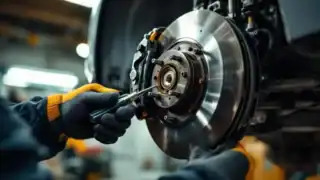
Honest Mechanics, Fair Prices in Mitchell

Owner-operated and family-run, we give you straight answers, quality parts, and fair pricing without the dealership markup or the upsell scripts.

You Deal With the Mechanic

Talk directly to the owner — no service advisors, no middlemen, no upsell pressure.

Quality Parts, Honest Pricing

Bring your vehicle in and we’ll assess what’s needed before any work begins.

Driveshaft Repair Warranty

We back all driveshaft repairs with warranty coverage for peace of mind.

How Mazda Driveshaft Repair Works

We diagnose, repair, and return your Mazda driveshaft with precision care from start to finish.

Step 1

Claim Your Free Inspection

Claim your free inspection to diagnose your Mazda driveshaft issue and understand repair needs.

Step 2

Driveshaft Diagnostic Check

We inspect your Mazda's driveshaft, joints, and bearings under load to identify wear or damage.

Step 3

Driveshaft Repair Or Replacement

We repair or replace with quality components, ensuring proper balance and Mazda-spec alignment.

Step 4

Test Drive And Handover

We road test your Mazda to confirm vibration-free operation before handing it back ready to go.

What Our Customers Say

5.0 (Verified Reviews)

Quality Parts From Trusted Suppliers

We use quality oils and parts from reputable suppliers — including Penrite and Rico — because what goes into your car matters as much as the work itself.

Claim Your Free Check

Fill in the form and we'll get back to you promptly — no obligation.

Booking Form
  • Vehicle Details
  • Confirm Vehicle
  • Services
  • Contact Details
No Upsell Scripts
Quality Parts Used
Plain-English Advice

Why Book With Us

Claim Your Free Inspection
Drop Off Your Car
We Get to Work
Back on the Road

Got Questions? We Have Answers

Browse the common questions below. If yours isn't listed, give us a call and we'll give you a straight answer.

Common signs include clunking or knocking sounds when accelerating or turning, vibration through the floor or steering wheel, and a clicking noise that gets worse when cornering. You might also notice the car feels less responsive or has difficulty engaging power smoothly. If you spot any of these, get the driveshaft inspected soon – continued driving on a damaged shaft can damage the transmission or differential.

A straightforward repair or replacement typically takes one to two hours, depending on your Mazda model and what needs fixing. If bearings or joints are worn, we might recommend a full shaft replacement rather than patching it. We’ll give you a clear timeframe once we’ve diagnosed the issue, and most jobs can be completed same-day.

Not safely. A failing driveshaft puts stress on your transmission and differential, and if it breaks completely while driving, you lose power to the wheels with no warning. This is a safety issue, not just a convenience one. If you’re hearing clunking or feeling vibration, have it checked before the damage spreads to other components and becomes more expensive to repair.

Australian consumer law under ACCC guidance generally allows you to have repairs done by qualified independent mechanics without affecting your manufacturer warranty, as long as the service is done properly. We use quality parts and perform the work to standard. For peace of mind on your specific warranty terms, check your paperwork or contact your Mazda dealer – but independent servicing doesn’t automatically void your coverage.

We lift the car and visually inspect the shaft for cracks, bends, or play in the joints and bearings. We’ll rotate it by hand to check for roughness or excessive movement, and run the vehicle to listen for noise and feel for vibration. Once we identify the problem, we’ll explain what’s worn, whether it can be repaired or needs replacement, and what parts we’ll use.

Mazda driveshafts are generally reliable, but older models and those with higher mileage can develop worn joints and bearings, especially if the car’s been driven on rough roads or towed regularly. Front-wheel-drive Mazdas rarely have driveshaft issues, but rear-wheel and all-wheel-drive models can experience joint wear over time. Regular servicing and smooth driving habits help extend driveshaft life.

The cost depends on whether you need a repair or full replacement, your specific Mazda model, and what parts are worn. A repair addressing one damaged joint costs less than replacing the entire shaft. We’ll provide a detailed quote after diagnosis so you know the exact cost before we proceed.

Most driveshafts don’t require regular scheduled servicing, but they should be inspected as part of your annual vehicle check. If you notice vibration or noise, get it checked immediately. Regular servicing of other drivetrain components like diff fluid helps prevent premature driveshaft wear.

Worn bearings and joints are the main culprit, often caused by age and mileage. Towing loads beyond your vehicle’s capacity, hitting potholes or rough terrain, and neglecting servicing can accelerate wear. Poor driving habits like hard acceleration and sudden turning also stress the shaft. Using genuine or quality equivalent parts during repair helps prevent early failure.

Drive cautiously to the nearest mechanic, but avoid highways or long distances. A noisy driveshaft indicates wear that’s getting worse and could fail suddenly. If the noise is severe or you feel strong vibration, pull over safely and call for roadside assistance. The sooner you get it inspected, the safer and cheaper the fix.

We use quality parts matched to your vehicle’s specifications. Genuine Mazda parts are available if preferred, and quality equivalent parts meet the same standards at better value. We’ll discuss your options during diagnosis and quote so you can choose what suits your needs and budget.

Repair involves fixing a single damaged component like a joint or bearing, keeping the original shaft. Replacement means installing a new or rebuilt shaft. We recommend replacement when damage is extensive or the shaft has high mileage, as it’s more reliable long-term. We’ll advise which option makes sense after inspection.

Continue to site