A failing driveshaft is one of those problems that catches many Holden owners off guard, but the warning signs are usually there if you know what to listen and feel for. Holden driveshaft repair becomes urgent when vibration, clunking, or loss of traction develops, and ignoring it can leave you stranded or cause damage to the transmission and differential. At ZP Automotive in Mitchell, we diagnose driveshaft issues on Holdens regularly, from Commodores to Colorados, and we’ll walk you through exactly what’s wrong and what needs to happen next.
Common Signs Your Holden Driveshaft Needs Attention
The most obvious warning sign is vibration, especially under acceleration or at highway speeds. You might feel it through the floor or hear a rhythmic thumping from underneath the car. Some owners describe it as a shudder when pulling away from a stop, particularly in Holden utes and larger sedans where the driveshaft carries significant load.
Clunking noises are another red flag. This often happens when you shift from Drive to Reverse, or when you accelerate after coasting. The clunk comes from wear in the universal joints (also called U-joints) or from excessive play where the shaft connects to the gearbox or differential. Left unchecked, worn U-joints can seize suddenly, causing immediate loss of power to the wheels.
- Vibration at speed or during acceleration
- Clunking or clicking sounds when changing gear
- Shudder or hesitation when pulling away
- Loss of traction or feeling the wheels slip
- Visible damage, dents, or rust on the shaft itself
Holdens, especially work utes and older Commodore V8s, are prone to U-joint wear because they often carry heavier loads or tow regularly. The constant flexing of the shaft under load accelerates wear on the joints. In Mitchell, we regularly service utes and tradies’ vehicles, and driveshaft problems are something we see frequently because of the demanding work these vehicles do.
What Holden Driveshaft Repair Involves
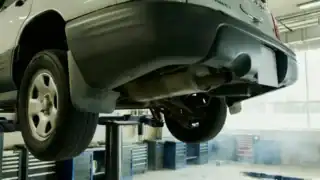
When you bring your Holden in, we start with a lift and a visual inspection. We’ll check the entire shaft from the gearbox output to the differential input, looking for obvious damage, rust, or play in the joints. We’ll also test for excess movement by hand and listen for grinding or clicking.
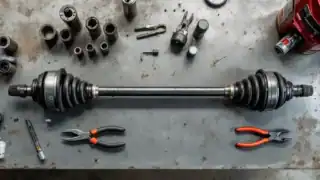
Most Holden driveshaft problems fall into two categories: U-joint wear and shaft imbalance or damage. U-joints are the connection points that allow the shaft to flex as the suspension moves. When they wear, they develop play, which causes vibration and noise. Shaft damage like bending or corrosion is less common but equally serious, as it affects balance and can cause catastrophic failure at speed.
We’ll often rotate the shaft by hand while it’s on the lift to feel for roughness or grinding in the joints. If we suspect imbalance, we can remove the shaft and have it checked for runout (deviation from true centre) and balance. For Holden models like the Commodore VE and VF series, we’re familiar with common weak points in the driveline and know exactly where problems typically develop. Holden’s design specifications for each generation help us pinpoint whether wear is normal or premature, which affects whether we rebuild or replace.
Once we’ve diagnosed the issue, we’ll explain whether the shaft can be rebuilt with new U-joints or whether it needs full replacement. A rebuild is usually faster and more affordable if the shaft itself is straight and undamaged. Replacement is necessary if the shaft is bent, cracked, or so corroded that rebuilding isn’t safe or practical.
Cost and Time: What to Expect
The cost depends largely on whether you need a rebuild or full replacement, and whether you choose an OEM Holden shaft or a quality aftermarket equivalent. We use reliable brands and won’t push you towards expensive OEM parts if a quality alternative will do the job properly. An OEM shaft typically costs more but comes with Holden’s engineering guarantee, whereas a quality aftermarket part offers good value and durability at a lower price point.
Turnaround time also varies. A U-joint rebuild can often be done in a day, especially if the shop doesn’t have a massive backlog. A full driveshaft replacement may take a day or two if we have to order the part, but we’ll let you know upfront before we start work.
We don’t charge dealership rates, and we’re transparent about what the work will cost. We’ll show you the damaged components, explain what’s causing the problem, and give you a clear price before we proceed. No hidden charges, no guesswork.
Why Choose ZP Automotive for Holden Driveshaft Repair in Mitchell
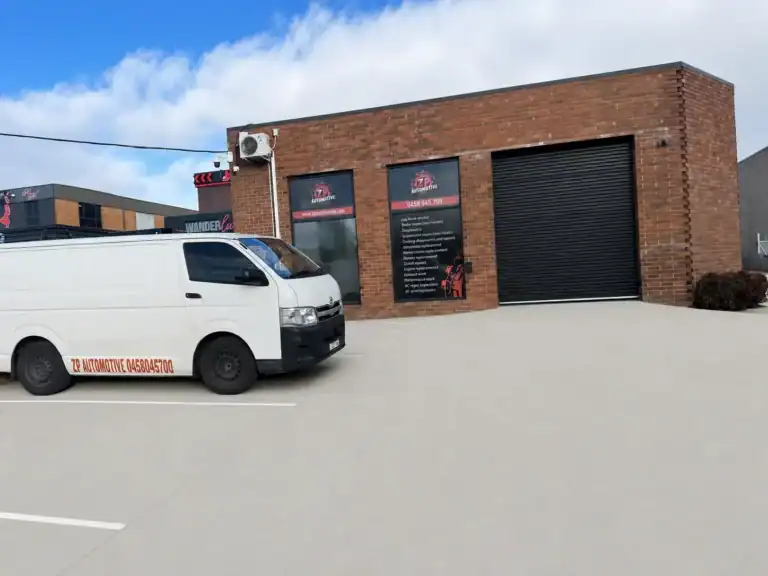
We’re an owner-operated workshop with over 10 years in the trade, and Holdens are part of our regular work. We understand the common failure points on Holden drivelines, from Commodores to Colorados, and we know how to diagnose and fix them without unnecessary parts replacement or inflated labour rates.
When you come in, you work directly with the mechanic doing the repair, not a service adviser trying to upsell you extras. We explain what’s wrong in plain language, what it costs, and what can wait. We use quality parts and fluids like Penrite and Rico, not the cheapest no-name alternatives. That approach to honest pricing and quality work is why families and tradies in Mitchell and across north Canberra trust us with their vehicles.
If your Holden is still under warranty, logbook servicing with us keeps that warranty intact, and the same honest approach applies to driveshaft work. We’re also equipped to handle wrong-fuel recovery, vehicle lockout assistance, air conditioning servicing, and engine diagnostics if you ever need those services alongside driveshaft repairs.
Our 5.0 verified reviews reflect the way we operate: fair prices, no surprise charges, and work that gets done right the first time.
Next Steps
If you’re hearing clunking, feeling vibration, or noticing traction issues with your Holden, Call & Book Now or Claim Your Free Inspection. We’ll get the car on the hoist, find out what’s actually going on, and give you a straight answer about what needs to happen next.