A Honda starter motor is the electric motor that cranks your engine to life when you turn the key or press the start button. When it fails, your car simply won’t start, leaving you stranded. Honda Starter Motor Replacement is a straightforward repair once the problem is diagnosed correctly, but getting it right matters — a faulty starter can sometimes be mistaken for a battery issue, and vice versa. At ZP Automotive in Mitchell, we’ll walk you through what the symptoms look like, how we diagnose the problem, and what to expect from the repair.
Signs Your Honda Starter Motor Is Failing
The most obvious sign is a car that won’t turn over. You turn the key, press the start button, and hear nothing — or hear a single loud click from the engine bay. That click is often the starter solenoid (the relay that engages the starter) trying to engage but the motor itself not spinning.
Other warning signs include:
- Repeated clicking sounds when you try to start, but the engine doesn’t crank
- A grinding noise during startup, which suggests the starter is engaging but the internal gears are worn
- Intermittent starting issues — it works sometimes, fails other times
- A burning smell from under the bonnet after a failed start attempt
- Dim dashboard lights that flicker when you turn the key (often points to battery, but can indicate starter draw)
The key difference: a dead battery usually produces multiple rapid clicks, while a failing starter often produces a single loud click or grinding sound. We’ll test both before assuming which one has failed.
How We Diagnose a Honda Starter Motor Problem
Diagnosis starts with a load test. We check your battery voltage and whether it’s holding charge under load. A healthy Honda battery should sit around 12.6 volts at rest and maintain at least 9.6 volts while cranking. If your battery is weak, we’ll test whether charging it or replacing it resolves the issue before moving to the starter itself.
If the battery tests good, we move to the starter. We test the starter circuit — the solenoid engagement, the current draw on the motor, and whether it spins freely. For Honda models, we also check the starter relay (part of the under-bonnet fuse block) because a faulty relay can mimic starter failure. This is a common Honda issue and one reason we don’t automatically replace the starter without full diagnostics.
Once we confirm the starter motor itself is the problem, we assess whether it can be repaired or needs replacement. Some starters wear internally but the solenoid works fine; others fail completely. A Honda starter rebuild is sometimes an option, but most modern Hondas benefit from a quality replacement starter that carries a proper warranty.
What the Honda Starter Motor Replacement Process Involves
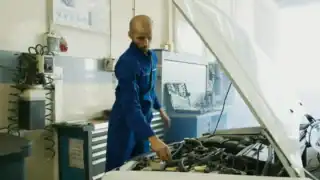
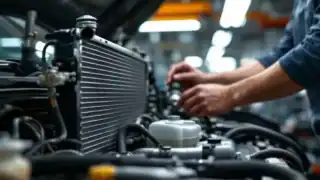
Removing and replacing a Honda starter takes between 1 and 3 hours depending on the model and engine bay layout. On some Hondas, the starter sits in an accessible spot on the side of the engine. On others, it’s tucked underneath, requiring the removal of other components first.
The process involves disconnecting the battery (safety first), unbolting the starter from its mounting, disconnecting the electrical connectors, and installing the new unit in reverse order. We test the new starter before reassembling everything to confirm it engages and cranks smoothly.
We fit quality replacement starters that meet Honda’s OEM specifications. These carry a warranty and are designed to last longer than budget alternatives. We’ll discuss whether an OEM Honda starter or a quality equivalent suits your needs and budget — there’s a middle ground between dealership pricing and throwaway parts.
What Affects Cost and Turnaround Time for Your Repair
Honda starter motor replacement costs depend on three factors: the specific model and engine bay design, whether we use an OEM or quality equivalent part, and whether other issues are discovered during diagnosis.
Some Honda models have starters that are quick to access; others require removing engine covers, air intake components, or even the air conditioning compressor temporarily. A Civic or Accord starter job is usually faster than a CR-V or Pilot, where the starter sits lower in the engine bay. Once we inspect your particular Honda at our Mitchell workshop, we’ll give you an honest estimate.
Part availability is rarely an issue with Hondas — they’re common cars and starter motors are stocked or easily sourced. If your car is at ZP Automotive in Mitchell, we can often complete the replacement the same day or next day.
Why Choose ZP Automotive for Your Honda Starter Motor Repair
We diagnose properly before replacing anything. Too many workshops assume “won’t start” means automatic starter replacement. We test the battery, the relay, and the starter circuit first. This saves you money if the real issue is elsewhere.
We use quality parts and honest pricing. We don’t charge dealership labour rates, and we don’t push unnecessary work. You deal directly with the mechanic doing the repair — no service advisor, no upsell scripts — just plain-English advice about what’s wrong, what it’ll cost, and what can wait.
We’ve handled hundreds of Honda repairs over 10+ years in the trade. We know where common issues hide on different Honda models, what parts hold up, and how to do the job right the first time. Our logbook servicing keeps your Honda’s manufacturer warranty intact, and we stock quality Penrite oils and parts — not the cheapest no-name alternatives. You can check our 5.0 star verified reviews to see what other Honda owners in the Mitchell area have experienced.
Get Your Honda Started Again
If your Honda won’t turn over or you’re hearing clicking sounds when you try to start, we’re here to help. Call & Book Now or Claim Your Free Inspection, and we’ll diagnose the real issue and give you a fair, transparent quote before we start any work. We service the Mitchell area and surrounding regions of Canberra.