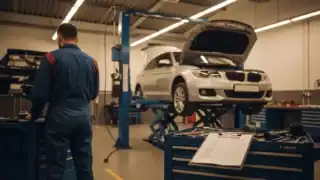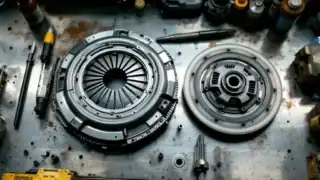
A starter motor that fails to crank your engine is one of the more disruptive electrical faults a Japanese vehicle owner can face. Whether you drive a Toyota, Mazda, Honda, Nissan, Subaru, Mitsubishi, or Hyundai, the starter motor is what physically turns over your engine when you turn the key or press the ignition button. When this component fails, you’re stranded. Japanese vehicles starter motor replacement in Mitchell is a service we handle regularly, and we diagnose the problem correctly before recommending parts so you’re not paying for an unnecessary new motor when the fault might lie elsewhere in the starting circuit.
How to Tell Your Starter Motor Needs Attention
The symptoms of a failing starter motor are usually unmistakable. Your engine won’t turn over when you turn the key, but you’ll hear a distinct clicking sound from under the bonnet—often rapid clicking, which signals that power is reaching the starter solenoid but the motor itself isn’t engaging properly. Sometimes you’ll hear nothing at all: complete silence when you turn the key, with all the dashboard lights still working fine. This tells us the battery is okay but the starter circuit has an issue.
Other warning signs include:
- A single loud clunk or click when turning the key, then nothing
- The engine cranks slowly or inconsistently; one attempt works, the next doesn’t
- Burning smell from the starter motor location, suggesting internal electrical damage
- A starter that spins but doesn’t engage with the flywheel (grinding noise)
Some Japanese vehicles, particularly Toyotas and Hondas, develop starter issues related to corroded or damaged solenoid contacts rather than complete motor failure. We’ve seen this repeatedly on higher-mileage examples. The good news is that a proper diagnosis tells us whether the entire motor needs replacing or whether a smaller electrical repair might do the job.
Diagnosing the Real Problem Before Replacing the Starter
Not every no-crank situation means the starter motor is dead. Before we pull the motor off your car, we test the battery voltage, check for voltage at the starter solenoid when you turn the key, and inspect the starter circuit connections—particularly the heavy battery cable and ground connections, which can corrode on Japanese vehicles that see age or weather exposure. A loose or corroded terminal can cost far less to fix than a new starter motor.
If the solenoid is getting power but the starter isn’t turning, we know the motor itself has failed. If there’s no voltage reaching the solenoid, we check the ignition switch, starter relay, and associated wiring. For Subarus and Mitsubishis especially, we’ve found that starter relay failures sometimes get mistaken for starter motor failures; catching this early saves money and frustration.
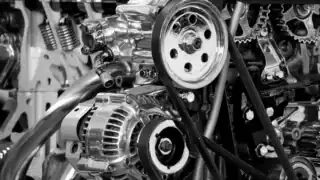
Once we’ve confirmed the starter motor is genuinely faulty, we remove it, inspect the flywheel or flexplate it engages with (any damage there can cause starting issues too), and fit a quality replacement. Japanese vehicle starters are built to tight specifications, and we use parts that match OEM dimensions and electrical requirements to ensure reliable cold-start performance across different weather conditions and engine loads.
What Affects Cost and Turnaround Time for Starter Replacement
The main variables are the vehicle model and engine position. Some Japanese vehicles have starters that sit in accessible locations on the block; others require removing airboxes, intake manifolds, or other components to reach the starter safely. A Toyota or Mazda with an easy-access starter might take two to three hours. A Subaru boxer engine or a Nissan with a compact engine bay can take significantly longer. We assess the job when you bring your vehicle in and give you a clear picture of the time involved.
Parts availability is straightforward for common Japanese makes. We source quality starters that are either OEM specification or genuine-equivalent parts; not cheap, no-name surplus stock that might fail again within a year. Parts cost varies depending on whether we use original equipment or an equivalent quality replacement, and we’ll discuss your options before ordering anything. We’re transparent about what you’re paying for and why.
Why ZP Automotive Is the Right Choice for Your Japanese Vehicle Starter Motor Replacement
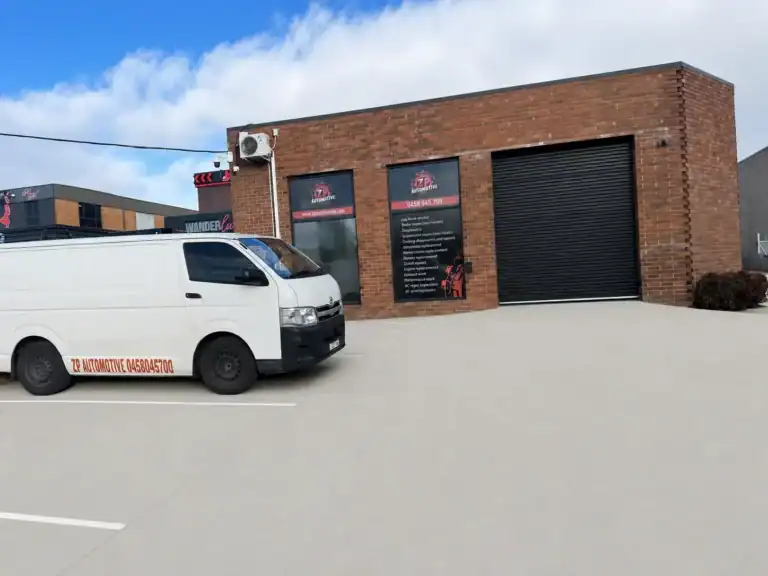
We’re an owner-operated, family-run workshop in Mitchell with over 10 years in the trade. That means when you drop your car off, you’re dealing directly with the mechanic doing the work; no service advisor, no upsell scripts, no dealership labour rates inflating your bill. We use quality parts like Penrite oils and genuine-equivalent electrical components because cheap parts are false economy on a starting system that needs to work reliably every single time.
If your Japanese vehicle is under warranty and your logbook servicing is up to date, we’ll make sure any replacement work aligns with your manufacturer’s requirements. Independent workshops like ours can service and repair Japanese vehicles without affecting your warranty, as long as the work is done to standard. We explain exactly what’s wrong, what it’ll cost, and what timeline you’re looking at; no surprises when the bill arrives. We also offer other services including brakes, air conditioning servicing, engine diagnostics, wrong-fuel recovery, and vehicle lockout assistance, so if you need anything else looked at while your starter is being sorted, we can help.
Book Your Starter Motor Diagnostic in Mitchell Today
If your Japanese vehicle won’t crank, or you’re hearing clicking sounds when you turn the key, get in touch to arrange a diagnosis. We’ll test your starting system, identify whether it’s the motor itself or an electrical connection, and give you a fair quote for replacement if that’s what’s needed. Call & Book Now or claim your free inspection online today and let’s get your vehicle starting reliably again.