Holden transmission repair isn’t something most drivers think about until something goes wrong. Your transmission is one of the most complex and expensive components in your Holden, and when it starts to fail, the signs can range from subtle to impossible to ignore. Whether you’re driving a Commodore, Captiva, Colorado, or any other Holden model in Mitchell, understanding what transmission problems look like and how they’re fixed will help you catch issues early and avoid a complete breakdown on the road.
Common Signs Your Holden Transmission Needs Repair
Holden transmissions, whether automatic or manual, tend to develop recognisable problems before they fail completely. If you notice any of these warning signs, it’s time to get your vehicle inspected:
- Slipping gears: the engine revs but the car doesn’t accelerate smoothly, or it feels like the transmission is hunting between gears
- Difficulty shifting: delayed engagement when you put the car into Drive or Reverse, or grinding noises during gear changes
- Shuddering or jerking: rough, stuttering movements when accelerating or shifting
- Transmission fluid leaks: red or brown fluid pooling under your Holden, visible on the driveway or garage floor
- Burning smell: a distinctive burnt odour coming from under the bonnet, usually indicating overheating fluid
- Warning lights: transmission-related fault codes on your dashboard
- Loss of power: sudden lack of responsiveness or the car refusing to move in certain gears
Many Holden owners notice these issues gradually and hope they’ll go away. They rarely do. The longer you drive with a damaged transmission, the more likely you are to cause secondary damage to the torque converter, gearbox internals, or differential. That’s why early diagnosis matters.
What Holden Transmission Repair Involves
Transmission work on Holden vehicles requires methodical diagnosis before any repair begins. We don’t assume what’s wrong and start pulling things apart. Instead, we follow a structured approach that saves you money and ensures the actual problem gets fixed.
Diagnostic scanning is the first step. Holden automatics and manuals generate fault codes when something goes wrong. We scan your vehicle’s onboard computer to read those codes and understand what the transmission control module is detecting. For example, a 2015 Holden Captiva automatic might throw a code for low transmission fluid pressure, which could point to a failing pump, worn seals, or a blocked filter. The code alone doesn’t tell the whole story, but it narrows down where to look.
Road testing and visual inspection follow. We’ll drive your Holden to feel how it behaves under load, listen for noises, and check transmission fluid colour, level, and smell. Dark, burnt-smelling fluid suggests overheating and internal wear. Low fluid points to a leak. We also inspect the transmission pan, seals, and external components for damage or corrosion.
Fluid analysis can reveal internal damage. If metal particles are present in the fluid, gearbox internals are wearing or have failed. This helps us determine whether a repair like seal replacement or filter cleaning will work, or whether the transmission needs rebuilding.
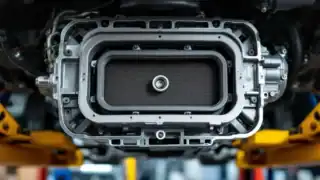
Depending on the diagnosis, repair options might include fluid and filter changes, seal replacement, solenoid repair, torque converter service, or in some cases, transmission rebuild or replacement. Holden transmissions vary in design across model lines and generations, so the repair method depends on what your specific vehicle uses and what’s actually failed.
Cost and Timeframe Factors for Holden Gearbox Repairs
Transmission repair costs depend on several variables. A simple fluid leak fixed with a new seal takes hours and costs far less than a rebuild. A faulty solenoid can be replaced without removing the transmission. But if internal gears or bearings are damaged, the transmission may need to come out, be stripped, and have worn components replaced.
Part availability also affects time and cost. OEM Holden transmission parts are generally available through suppliers, though some older or less common models take longer to source. We use quality replacement parts that meet Holden specifications, not cheap aftermarket stock that fails quickly.
Labour time varies widely. A transmission fluid service takes a few hours. Removing, diagnosing, and rebuilding a transmission can take several days. We’re honest about timeframes once we’ve inspected your vehicle in Mitchell, and no guessing or padding estimates will happen on our watch.
Why Holden Owners in Mitchell Choose ZP Automotive for Transmission Repair
Holden transmission repair is exactly the kind of job that separates an independent workshop from a dealership. Dealerships charge service-centre labour rates and often recommend replacement rather than repair. We’re owner-operated and family-run, which means the mechanic doing the diagnosis is the same person explaining it to you, not a service advisor reading from a script.
We’ve handled Holden automatic and manual transmissions for over a decade. We understand the common failure patterns in Commodores, Captivas, Colorados, and older Holden models. We use quality fluids like Penrite, which are engineered to keep your transmission cooler and cleaner. We’ll explain what’s actually wrong, what it costs, and what can wait. No upsell. No pressure. Fair, transparent pricing without dealership rates.
Because we work on logbook servicing and handle ACT rego inspections, we know the importance of keeping your Holden reliable and roadworthy. If your vehicle is under warranty, we’ll advise whether transmission work needs to be done at a dealership or whether independent repair will keep your coverage intact. We also handle air conditioning servicing, engine diagnostics, wrong-fuel recovery, and vehicle lockout assistance, making us a one-stop workshop for most Holden maintenance and repair needs.
Next Steps
If your Holden is showing transmission symptoms, don’t wait for a breakdown. Call and Book Now to arrange an inspection, or Claim Your Free Inspection online. We’ll diagnose the issue, explain what needs to happen, and give you options. Whether it’s a quick fix or a complex rebuild, you’ll know exactly what you’re paying for before we start work.