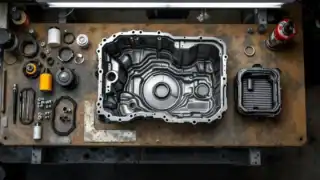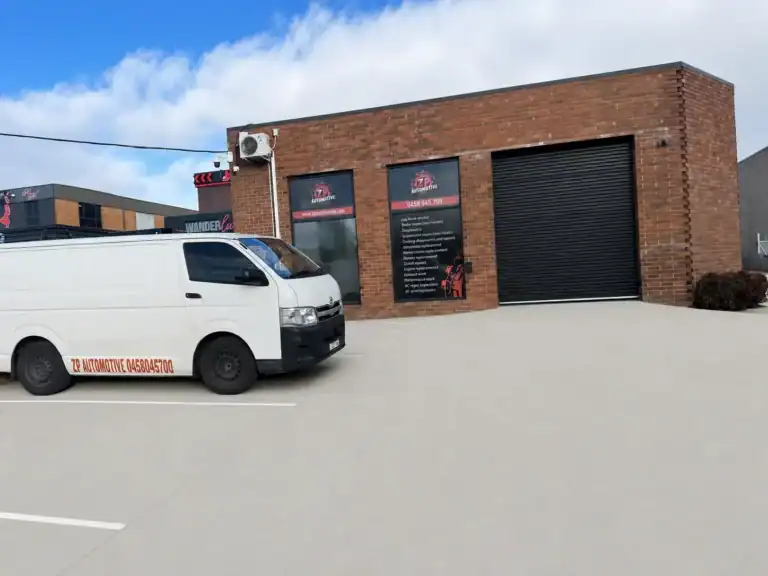
Subaru transmission repair is one of those services that often catches owners off guard, but understanding what’s happening and why it matters can save you time, money, and a lot of frustration on the road. Whether you’re driving a Subaru Impreza, Outback, Forester, or XV, the transmission is the system that translates engine power into forward motion, and when it starts to struggle, every drive becomes stressful. At our Mitchell workshop, we’ve spent over a decade diagnosing and repairing Subaru automatic and manual gearboxes, and we know exactly what warning signs point to real trouble and what can wait a little longer.
What Are the Signs Your Subaru Transmission Needs Repair?
Transmission problems don’t always announce themselves loudly. Sometimes you’ll notice something subtle that grows more obvious over time. Here are the real symptoms that bring Subaru owners into our workshop:
- Slipping gears or a sensation that the engine is revving but the car isn’t accelerating smoothly
- Delayed engagement when you shift from Park to Drive or Reverse
- Fluid leaks underneath the car, often a reddish or brownish colour
- Grinding, whining, or clunking noises when shifting
- A burning smell, particularly after driving in stop-start traffic or towing
- The transmission warning light illuminating on your dashboard
- Jerking or shuddering during acceleration or gear changes
- Difficulty shifting smoothly between gears in manual transmissions
Subaru automatic transmissions, particularly in older models, can develop internal wear or fluid breakdown issues that show up as soft or hesitant shifts. Manual gearbox repairs in Subarus often stem from clutch wear, synchro damage, or gear teeth damage. The important thing is not to ignore these signs. A transmission that’s slipping or grinding isn’t just uncomfortable to drive; it’s working harder than it should and causing additional wear that can turn a repairable problem into a complete rebuild.
How We Diagnose Subaru Transmission Problems
Proper diagnosis is where most repairs either go smoothly or become expensive guesswork. We start every Subaru transmission repair with a thorough inspection and read of any fault codes using Subaru-specific diagnostic equipment. This tells us immediately whether the problem is electrical, mechanical, or fluid-related, which shapes everything that follows.
For automatic transmissions, we check fluid condition and level first. Subaru CVT (continuously variable transmission) and traditional automatics have specific fluid requirements, and contaminated or depleted fluid is one of the most common culprits behind poor performance. We also inspect the transmission cooler lines, which can become blocked or damaged and cause overheating. If fluid quality looks good, we move to internal diagnostics, testing shift quality, response times, and pressure readings to pinpoint whether the problem is a valve body issue, internal seal leakage, or gear damage.
For manual gearboxes, we assess clutch engagement, check for grinding in specific gears, and listen carefully for noises that tell us whether the issue is a worn clutch, damaged synchros, or worn gear teeth. We’ll also inspect the gearbox mounting and linkages, which can affect how smoothly shifts feel.
What Happens During Subaru Transmission Repair
The actual repair depends entirely on what we find during diagnosis. If it’s a fluid and filter service, that’s straightforward and keeps your transmission healthy for years longer. If the problem is deeper, we’ll discuss your options honestly.
For some issues, we can perform targeted repairs without removing the entire transmission. Valve body cleaning, seal replacement, and transmission cooler work can often be done in a day or two. For others, the gearbox needs to come out, be fully inspected, and be rebuilt or replaced. This is where the Subaru-specific knowledge matters. We know which components are prone to wear on your model, which parts are worth replacing preventatively while we’re in there, and which can safely carry on.
We use quality replacement parts and fluids that match Subaru’s specifications. You won’t get the cheapest no-name stock here; we use brands like Penrite and Rico, and we fit genuine or equivalent parts that respect your vehicle’s engineering. If you’re running a newer Subaru under warranty, logbook servicing keeps that protection intact even when we repair or service the transmission.
What Affects Cost and Repair Time for Subaru Auto Transmission Repair
Transmission repair costs and timescales vary widely depending on what’s actually wrong. A fluid and filter service takes a few hours. A valve body clean might take a day. A full transmission rebuild or replacement can take three to five working days, depending on parts availability and whether we’re rebuilding or fitting an exchange unit.
Parts availability is real. Some components ship quickly; others take longer. We’ll give you a straight answer about what we’re sourcing and how long it’s likely to take before we start work, not as a guess but as a practical expectation based on what we’re actually ordering. The severity of the problem also matters. A transmission caught early with fluid issues is cheaper to fix than one that’s been grinding for months and damaged internal gears.
Why Subaru Owners Choose Our Mitchell Workshop for Gearbox Repair
We’re an independent workshop, which means we compete on honesty and fair pricing, not on dealership labour rates or upsell scripts. You deal directly with the mechanic doing the work. If your transmission problem can be fixed with a fluid service and new seals, we’ll tell you that. If it genuinely needs a rebuild, we’ll explain why, show you the cost, and answer every question you have. We don’t pressure you into decisions, and we don’t guess at repairs.
With over a decade in the trade, we’ve seen Subaru transmissions fail in every way possible, and we know what holds up and what doesn’t. We’ve also got hands-on experience with logbook servicing, wrong-fuel recovery, ACT rego inspections, and roadside assistance, so if your Subaru breaks down in other ways, we’re equipped to help. That experience carries through to transmission work: we know the full picture of your vehicle’s health, not just the isolated problem.
Give us a Call & Book Now or Claim Your Free Inspection to discuss your transmission symptoms with someone who actually understands Subaru engines and drivetrains. We’ll listen, diagnose properly, and explain exactly what needs to happen next. Owners right across Mitchell trust us with their Subaru repairs because we deliver honest advice and quality work every time.