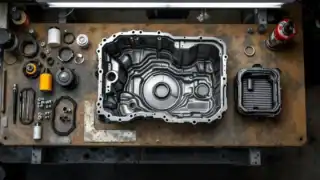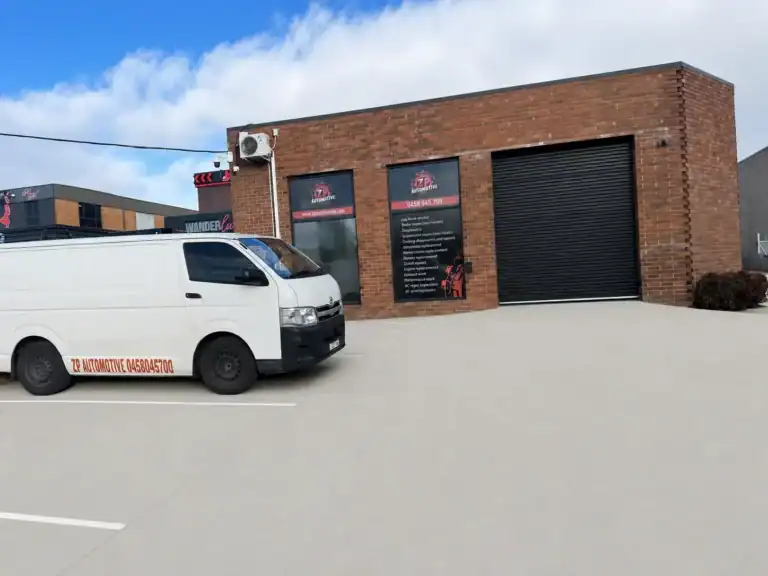
A Subaru transmission specialist diagnoses and repairs issues specific to Subaru’s automatic and manual gearboxes. Whether you’re noticing rough shifts, delays in gear engagement, or warning lights on the dashboard, transmission problems need prompt attention to avoid costly damage and keep your Subaru reliable on the road. Here in Mitchell, ZP Automotive works on Subaru transmissions regularly and understands the specific behaviour of Subaru’s CVT, traditional automatic, and manual transmissions across different model years and generations.
Common Signs Your Subaru Transmission Needs Attention
Subaru transmission issues often announce themselves through physical sensations and warning lights before catastrophic failure. Recognising these early signals can save you thousands in repair costs and help you avoid a breakdown.
- Delayed or rough engagement when shifting from Park to Drive or Reverse
- Slipping sensation, where the engine revs but the car doesn’t accelerate smoothly
- Difficulty shifting between gears or grinding sounds during transitions
- Unusual vibration or shuddering while accelerating
- Check Engine or transmission warning lights on your dashboard
- Burning smell or dark, discoloured transmission fluid
- Jerking or hesitation during normal driving, especially in automatic models
Subaru CVT (continuously variable transmission) models, common in Impreza, XV, and Outback vehicles, sometimes develop a distinctive shudder when cold or show delayed throttle response. Manual transmission Subarus may grind when selecting gears or feel notchy and difficult to shift. These symptoms point to fluid degradation, worn internal components, or software issues specific to Subaru’s transmission control systems.
What a Subaru Transmission Mechanic Does
Diagnosing a Subaru transmission issue requires understanding how your specific model’s gearbox behaves. We start with a full diagnostic scan using equipment that reads Subaru-specific transmission codes and monitors real-time shifting behaviour. This step is critical because warning lights don’t always tell the complete story.
Our process includes:
- Computer diagnostics to retrieve fault codes and transmission control module data
- Visual inspection of transmission fluid colour, level, and condition
- Road test to replicate the issue and assess shift quality, throttle response, and any unusual noises
- Inspection of external transmission seals, cooler lines, and mounting points for leaks
- Evaluation of torque converter function (in automatic models) and lockup behaviour
Once we’ve identified the root cause, we explain exactly what’s needed. Some problems are simple: low or contaminated fluid resolved with a transmission flush and filter change. Others require internal repairs, seal replacement, or software recalibration. We’ll tell you what’s urgent, what can wait, and what your options are before we proceed.
For Subaru models, we pay particular attention to transmission fluid specifications. Subaru recommends specific ATF grades and viscosity for optimal performance and longevity. Using the wrong fluid or neglecting regular servicing accelerates wear on internal components, especially in CVT models. This focus on OEM-spec fluid is what separates proper Subaru transmission servicing from generic gearbox work.
What Affects Repair Cost and Time for Your Subaru Gearbox
Transmission repair cost varies based on what’s actually wrong. A fluid change and filter replacement takes a few hours. Internal repairs or seal replacements take longer and cost more because we need to access internal components. Replacement transmissions, whether genuine Subaru or quality reconditioned units, sit at the higher end of the budget.
The age and condition of your Subaru also matter. Older models with high mileage may have additional wear we discover during disassembly. Availability of parts affects timing too; some Subaru transmission components are sourced quickly, others take longer to arrive. We keep you informed every step of the way so you know what to expect.
We source quality parts and fluids rather than the cheapest no-name alternatives. For Subaru, this means OEM-spec or equivalent fluids and components that match your vehicle’s original engineering. That costs more upfront but protects your transmission’s long-term reliability and avoids the false economy of budget repairs that fail early.
Why Choose ZP Automotive as Your Subaru Transmission Shop in Mitchell
You deal directly with the mechanic doing the work, not a service advisor reading from a upsell script. We explain what’s wrong and what it’ll cost before we begin. No surprises, no dealership labour rates, no pressure to replace parts you don’t need. We’re owner-operated and family-run, and that means you get honest advice every time.
With over 10 years in the trade, we’ve seen Subaru transmissions across different generations and model types. We understand which issues are common to specific years or transmission types, and we know where shortcuts lead to repeat failures. We use quality parts and fluids that stand behind the repair, not budget stock that fails early.
If your Subaru is under warranty, logbook servicing through an independent specialist like ZP Automotive keeps that warranty intact. Australian consumer law protects your right to have your vehicle serviced by qualified independent mechanics without affecting manufacturer cover. We also handle engine diagnostics, logbook servicing, air conditioning servicing, and roadside assistance, so you have a trusted workshop for all your Subaru’s needs.
Next Steps for Your Subaru Automatic Transmission or Gearbox
If you’ve noticed transmission symptoms, the sooner you have it diagnosed, the better. A small problem caught early can often be fixed without major expense. Once it starts slipping or making noise, damage compounds quickly and repair costs climb.
Call and book your free transmission inspection with ZP Automotive in Mitchell. We’ll get your Subaru on the diagnostic scanner, run it through a test drive, and give you a clear picture of what’s happening and what it’ll cost to fix. No obligation, no pressure to decide on the spot.