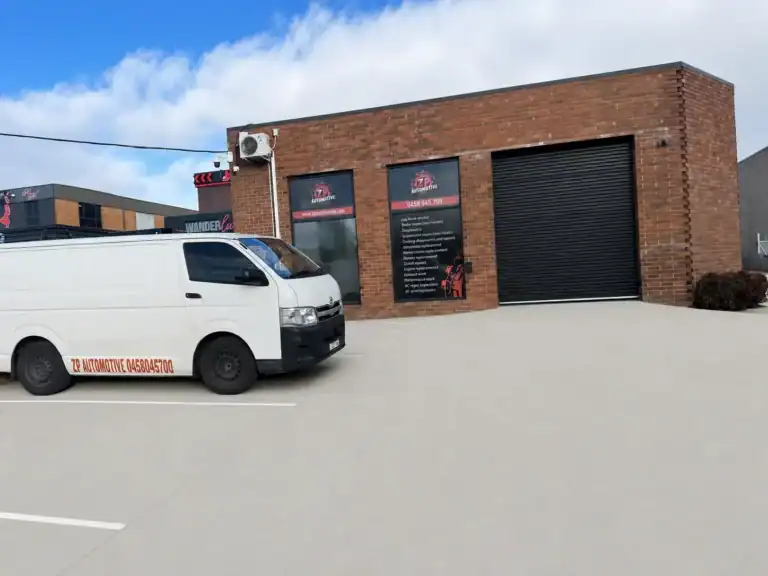
Honda transmission problems can leave you stranded or facing an expensive repair bill. Whether your Honda is slipping between gears, reluctant to shift, or making unusual noises, understanding what’s happening under the bonnet helps you make the right call. At our Mitchell workshop, we diagnose and repair Honda transmissions with the kind of hands-on expertise that comes from working on these vehicles regularly. A Honda transmission specialist needs to know how Honda’s engineering differs from other brands, and that’s what sets our approach apart.
Common Honda Transmission Problems and Warning Signs
Honda automatics and manuals have their own failure patterns. Recognising early symptoms can prevent a small issue from becoming a gearbox replacement. Watch for these telltale signs:
- Transmission slipping or loss of power when accelerating
- Delayed or rough gear changes, especially into second or third
- A grinding or whining noise that changes with engine speed or gear selection
- Fluid leaks underneath the vehicle (transmission fluid is typically red or dark brown)
- Check engine light or transmission warning light on the dashboard
- A burning smell near the engine bay, often linked to overheating fluid
- Difficulty shifting out of park, or the gear lever feels stiff or unresponsive
Many Honda owners notice these issues gradually. You might feel a slight hesitation one week, then ignore it for months. By the time you come in, the transmission has often been working harder than it should, which accelerates wear on internal components. Early diagnosis prevents compounding damage.
How We Diagnose Your Honda’s Transmission
A Honda transmission mechanic’s first job is to listen and ask the right questions. We’ll want to know when the problem started, what gear it happens in, and whether it worsens when the car is cold or warm. That information narrows down whether we’re looking at a fluid issue, sensor fault, or internal mechanical wear.
Our diagnostic process begins with a road test in real conditions. We feel how the transmission responds, listen for noise, and check for any warning codes stored in the engine control unit. Honda vehicles log transmission faults digitally, and reading those codes accurately is critical to avoiding guesswork.
Next, we inspect the transmission fluid itself. Colour, smell, and consistency tell us whether the fluid has been overheated, contaminated, or just needs changing. Low fluid is a common culprit in Honda automatics and is one of the easiest fixes to address. We also check the transmission cooler and radiator to ensure they’re not restricting fluid flow, which causes the overheating that damages seals and clutch packs.
If the code points to a sensor or solenoid problem, we test those components individually. Honda’s automatic gearbox relies on multiple sensors to decide when to shift. A single faulty sensor can trigger harsh shifts, limp mode, or complete transmission lockout. We verify each one before recommending parts.
For manual transmissions, we assess clutch condition, check for worn synchroniser rings, and inspect the gearbox input shaft for damage. Manual gearboxes in Honda vehicles are robust, but they show clear signs of wear when they’re near the end of their service life.
What Affects Repair Cost and Timeframe
Transmission work varies wildly in scope, and being upfront about that is part of honest advice. A fluid and filter change takes a few hours and costs less than you’d pay at a dealership. A faulty solenoid replacement might take half a day. A full transmission rebuild or replacement is a multi-day job and involves more labour and parts.
The type of part matters too. We use quality aftermarket parts and genuine Honda-equivalent components depending on the job and what your budget allows. We won’t push you towards an expensive rebuild when a sensor replacement or fluid service will solve the problem. We explain the options, the cost difference, and what each one means for reliability.
Parts availability can affect timeframe. Some Honda transmission components are in stock; others we source from reliable suppliers. We tell you upfront whether we’re looking at a day or a week, so you’re not left guessing whether your car will be ready tomorrow.
Why Choose Our Mitchell Workshop for Honda Transmission Work
You’re not dealing with a service advisor who’s never turned a wrench. You’re working directly with the mechanic doing the repair. That means no upsell scripts, no guesswork, and no dealership labour rates. When we say your Honda transmission needs work, it’s because we’ve diagnosed it properly and we genuinely believe it needs fixing.
We use quality fluids and parts. Penrite transmission oils and Rico components give your Honda the durability it deserves, not the cheapest no-name stock that might fail in six months. For logbook servicing, we follow Honda’s service schedule to the letter, which keeps your warranty intact and your transmission healthy across the vehicle’s life.
We’ve been doing this work for over 10 years. Honda transmissions are predictable once you know them, and we know them well. We recognise when a problem is simple and when it needs specialist attention. That experience saves you money and keeps your Honda reliable.
We also service air conditioning systems, handle wrong-fuel recovery, and assist with vehicle lockout situations, so there’s real value in having a workshop you can trust for multiple needs across your Honda’s ownership.
Get Your Honda Transmission Inspected in Mitchell
If your Honda is showing any of the warning signs we’ve described, don’t wait. Transmission problems compound quickly, and early intervention keeps repair costs down. Call & Book Now or Claim Your Free Inspection so we can diagnose the issue and explain exactly what your Honda needs. We’re here to provide honest, plain-English advice about your transmission repair in Mitchell, with no surprises when the bill arrives.