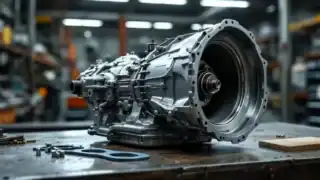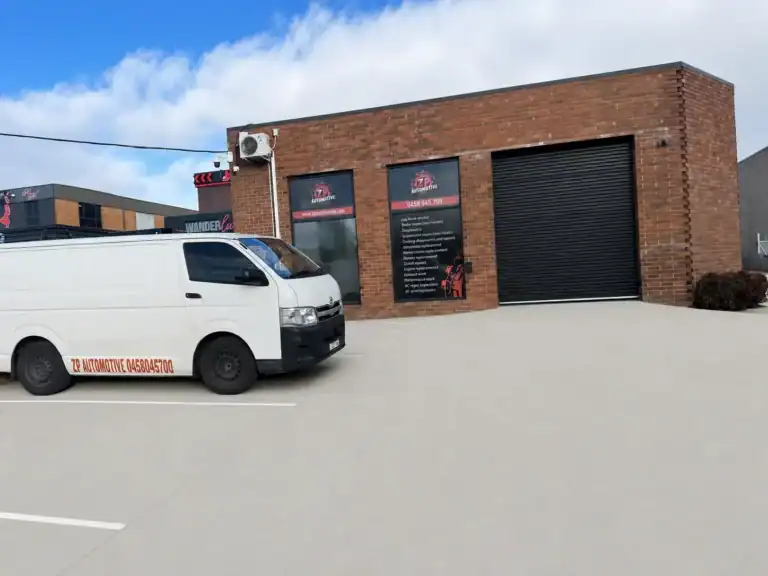
Great Wall transmission specialists in Mitchell need to understand how these Chinese-built vehicles handle power transfer differently from European and Japanese brands. Great Wall manufactures most of its transmissions in-house, which means diagnostic procedures, fluid specifications, and repair protocols follow their own standards. At ZP Automotive, we’ve worked on Great Wall automatics and manuals long enough to know where the real problems sit and when a transmission actually needs serious work versus when a fluid change buys you time.
Common Transmission Issues in Great Wall Vehicles
Great Wall models, particularly the Haval and Tank ranges, develop specific transmission behaviours that owners often mistake for major failure. The automatic transmissions in these vehicles are known for delayed engagement when cold, jerky upshifts during low-speed driving, and occasional shuddering under light acceleration. None of these symptoms necessarily mean your transmission is dying. Often it’s a fluid condition issue, a sensor fault, or a simple software relearn that gets the gearbox back to smooth operation.
Manual transmission owners in these vehicles report notchy shifts, difficulty finding neutral, and grinding on downshifts into second gear. These problems usually point to hydraulic slave cylinder wear or synchroniser rings that have begun to score. The good news is that diagnosis is straightforward, and repair costs are far lower than a full rebuild if caught early.
- Transmission warning light on the dash
- Shuddering or jerking between gears
- Fluid leaks under the vehicle
- Delayed or soft engagement when shifting into Drive
- Slipping feeling during acceleration
- Difficulty shifting gears or grinding noises
- Whining or buzzing sounds from the transmission area
How We Diagnose Great Wall Transmission Problems
A proper Great Wall transmission specialist doesn’t guess. We start by pulling diagnostic codes from the transmission control module using OEM-equivalent scanners. These codes tell us whether the issue is mechanical, hydraulic, or electrical. Many transmission problems that feel mechanical are actually sensor faults or solenoid failures that we can identify and fix without pulling the gearbox apart.
If codes are clear or the problem is mechanical, we inspect fluid colour and smell. Great Wall automatic fluid degrades faster in stop-start city driving around Mitchell, and burnt or dark fluid is often the root cause of shuddering and delayed engagement. We also check for metal particles, which signal internal wear. A fluid sample analysis costs very little and saves thousands if it reveals that a rebuild is inevitable versus a flush and refill that restores function.
For manual transmissions, we test clutch engagement, check slave cylinder pressure, and inspect the shift linkage. This tells us whether the problem is in the clutch, hydraulics, or synchroniser wear. We’ll also run the engine to listen for transmission noise under load, which narrows down whether we’re looking at bearing wear, gear tooth damage, or fluid starvation.
What Repair Options Look Like
Once we’ve diagnosed the problem, repair paths vary. Fluid and filter changes address many early-stage issues. Solenoid replacement is straightforward and affordable if electronics are the culprit. Seal leaks can often be repaired without a full removal. If internal damage is present, we talk honestly about whether a rebuild makes sense, whether we source genuine or quality aftermarket components, and what the timeline looks like.
We use quality fluids that match Great Wall specifications, not generic automatic transmission fluid. The difference in how your gearbox shifts and how long it lasts is noticeable. We’ll never tell you that a rebuild is urgent if a fluid change buys you another 50,000 km. That’s the honest advice approach: what’s wrong, what it costs, what can wait.
Cost and Timeline Factors for Great Wall Transmission Work
Transmission work costs depend entirely on what’s actually broken. A fluid and filter change runs quickly. Solenoid replacement or sensor reprogramming takes a few hours. Seal repairs or clutch work in a manual might take a full day. A full rebuild or replacement is a longer job, and parts availability for Great Wall models sometimes means waiting for components, though most are sourced reasonably quickly through specialist channels.
We quote based on diagnosis, not guesswork. You’ll know exactly what’s needed and what it will cost before we start work. We’re not racing against dealership labour rates or franchise service advisors who work on commission. Our pricing reflects fair value for quality work, not a markup designed to hit profit targets.
Why ZP Automotive for Your Great Wall Transmission Service in Mitchell
We’re owner-operated, independent mechanics with over 10 years in the trade. We deal directly with you and your vehicle, no service advisors, no scripts, no pressure to replace parts that don’t need replacing. We use quality parts and fluids like Penrite, not the cheapest no-name stock. Most importantly, we understand how Great Wall transmissions behave because we work on them regularly, not occasionally. That experience means faster diagnosis, fewer comebacks, and advice you can actually trust.
Your warranty isn’t affected by choosing an independent specialist for transmission work. You’re in control of where your vehicle gets serviced and repaired. We’ll explain what’s happening in plain language, show you the evidence, and let you decide the next step. We also service logbooks to keep your manufacturer warranty intact, handle air conditioning servicing, perform engine diagnostics, and manage ACT rego inspections if you need those services alongside your transmission work.
If your Great Wall transmission is showing symptoms or you’re concerned about how it’s shifting, Call & Book Now or Claim Your Free Inspection online. We’ll diagnose the issue properly and give you honest advice about what needs to happen next. ZP Automotive is your local transmission specialist in Mitchell.