Mercedes transmissions are precision engineering. When they’re working well, you barely notice them. When something goes wrong, you notice immediately. A Mercedes transmission specialist in Mitchell needs to understand not just how gearboxes work in general, but how Mercedes designs theirs. These vehicles use sophisticated automatic and dual-clutch systems that demand specific diagnostic tools, OEM-spec fluids, and deep knowledge of Mercedes fault codes and programming. That’s the difference between a general mechanic and someone who knows what they’re actually looking at.
What Are the Signs a Mercedes Transmission Needs Service or Repair?
Transmission problems rarely announce themselves gently. Most people come in noticing something concrete: the gearbox feels wrong, sounds wrong, or the warning lights have lit up. Knowing what to listen and feel for can save you from a breakdown and from driving a compromised vehicle.
- Hesitation or delay when accelerating, especially when shifting from one gear to another
- Jerking or shuddering during gear changes or smooth cruising
- Slipping sensations where the engine revs but the car doesn’t respond as expected
- A burning smell, usually indicating overheated transmission fluid or friction
- Transmission warning lights on the dashboard, including the gearbox symbol or check engine light
- Whining, grinding, or unusual noises coming from under the vehicle
- Difficulty engaging gears or the vehicle not moving when in Drive or Reverse
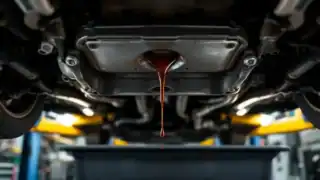
- Leaking red or brown fluid under the car where it’s parked
Mercedes automatic transmissions also tend to show problems under load. If you’re towing, accelerating hard, or driving in hot conditions, symptoms often become obvious first in those situations. That’s exactly the kind of detail we listen for when diagnosing the issue.
How a Mercedes Transmission Specialist Diagnoses the Problem
Diagnosing a Mercedes transmission issue properly means using the right tools and understanding the vehicle’s systems. Generic scan tools won’t cut it. Mercedes built multiple transmission architectures across their range, from the traditional 7-speed automatic to the newer 9-speed designs and dual-clutch systems in performance models. Each has different fault code sets, service schedules, and repair procedures.
Our process starts with connecting to the vehicle’s onboard diagnostic system using Mercedes-specific software. This pulls fault codes, but more importantly, it shows us live data: fluid temperatures, pressure readings, shift solenoid performance, and torque converter behaviour. A transmission warning light might mean ten different things. The diagnostic data narrows it down fast.
From there, we perform a road test tailored to the symptoms you’ve described. How does it feel in different gears? Does the problem get worse under load or in certain driving conditions? Does it repeat, or was it a one-off? We’re building a picture of whether the issue is electrical (a solenoid or sensor), mechanical (internal wear or a damaged band), or fluid-related (contamination or degradation).
If the problem isn’t straightforward, we may drop the transmission pan to inspect the fluid and filter. The colour, smell, and consistency of transmission fluid tell us whether internal damage has already started. Metal particles in the fluid mean wear. A burnt smell means excessive heat. Clean, red fluid means you caught it early.
Common Mercedes Transmission Issues and What Fixes Them
Different Mercedes models have patterns we see regularly. Older automatic boxes sometimes struggle with torque converter issues or seal wear. Some dual-clutch gearboxes in higher-performance models can develop shift quality problems if software updates are missed. Mechatronic units, which blend hydraulic and electronic control, can fail if they’ve been running degraded fluid for too long.
Minor issues often come down to servicing. A transmission fluid and filter change using the correct Mercedes ATF specification can restore smooth shifting and prevent premature wear. If solenoids are sticking, a proper flush with quality fluid sometimes solves it. If seals are leaking, that’s a seal replacement job, which is more involved but cheaper than rebuilding or replacing the entire box.
Major issues, like internal damage or complete hydraulic failure, usually require either a rebuild or replacement. We’re honest about which route makes sense based on the vehicle’s age, condition, and your plans for it. A rebuild on a gearbox with a known fault pattern can be good value; replacing with a reconditioned unit from a reputable supplier keeps your Mercedes running strong without dealership pricing.
What Affects the Cost and Timeline for Mercedes Transmission Work
Transmission work isn’t quick or cheap, but the cost range varies widely depending on what’s actually wrong. A fluid and filter service takes a few hours. A solenoid replacement takes longer but is still a day job. A full rebuild or replacement involves weeks of work, parts sourcing, and testing.
Parts availability plays a role too. Some Mercedes transmission components are stocked or arrive quickly. Others need special ordering. We track which parts come from Mercedes directly versus quality aftermarket suppliers, and we’ll explain that difference when we quote you. You’re not paying dealership rates for OEM parts at an independent workshop; you’re getting value without compromise.
The transmission type also matters. An issue in a manual or traditional automatic behaves differently from a problem in a dual-clutch system, which requires different diagnostic steps and rebuild procedures. We factor that into the timeline and explain what’s realistic before we start.
Why Choose ZP Automotive for Mercedes Transmission Service in Mitchell
A general mechanic can spot that your transmission has a fault. A Mercedes transmission mechanic diagnoses what the fault actually is and fixes it right. We’ve spent over a decade working on vehicles in Mitchell and across Canberra, and that includes plenty of Mercedes gearbox problems. We own the diagnostic tools, understand the systems, and we’ll give you straight advice: do you need a repair, a service, or a full rebuild.
We use quality fluid and parts that meet Mercedes specifications. You’re not getting cheap, no-name transmission fluid that compromises longevity. You’re getting Penrite ATF or genuine Mercedes fluid, matched to your vehicle’s requirements. That costs more than the cheapest option, but it costs less than a comeback or early failure.
Dealership service departments will quote you premium labour rates and often push toward replacement rather than repair. We diagnose honestly, explain what’s happening in plain language, and let you decide. You deal directly with the mechanic doing the work, not a service adviser with an upsell script. That transparency and fairness is how we’ve built trust with customers throughout Mitchell and beyond.
Book a Mercedes Transmission Inspection in Mitchell
If your Mercedes is showing transmission symptoms or you’ve got a warning light lit, get it checked sooner rather than later. Small problems caught early are cheaper and easier to fix. Call & Book Now or Claim Your Free Inspection to have a Mercedes automatic transmission mechanic look at your vehicle and give you honest, transparent advice on what needs to happen next.