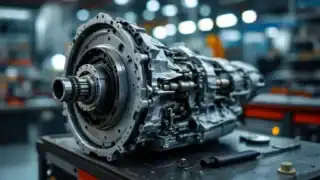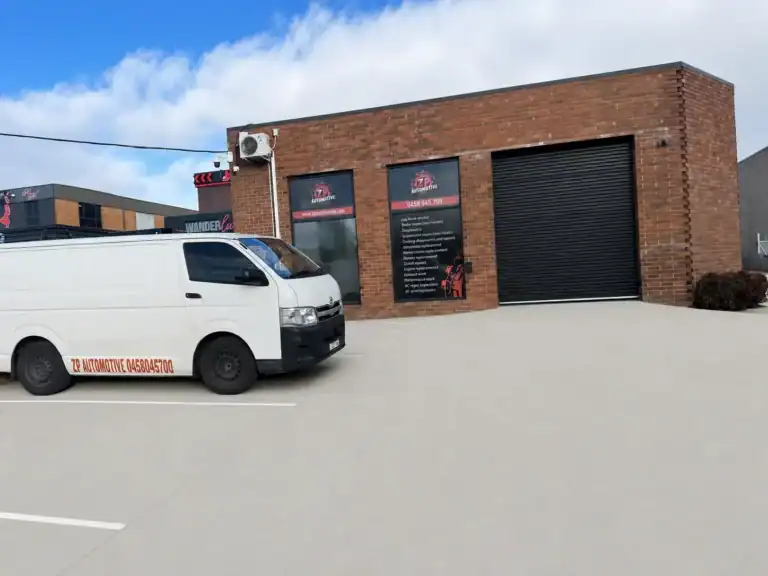
Toyota transmission problems can sneak up on you. A Toyota Transmission Specialist in Mitchell diagnoses and repairs the gearbox issues that stop your car from shifting smoothly, responding properly to throttle, or moving forward at all. Whether you’re dealing with a slipping automatic, delayed engagement, or warning lights on the dash, transmission faults drain your confidence and cost money the longer they sit undiagnosed. At ZP Automotive, we understand Toyota transmissions inside out, from the common issues that plague Camrys and Corollas through to the more complex CVT systems in newer models.
What Are the Signs Your Toyota Transmission Needs Attention?
Transmission problems don’t usually announce themselves all at once. Early warning signs are easier to catch and cheaper to fix than full transmission failure, so recognising what to listen for and feel for matters.
- Slipping between gears or revs climbing without acceleration picking up
- Delayed response when shifting from Park to Drive or Reverse
- Harsh or jerky shifts, especially when cold
- Burning smell from under the bonnet or near the floor
- Transmission fluid leaks (red or dark fluid under the car)
- Check Engine light or transmission warning light on the dashboard
- Grinding or whining noise in neutral or while driving
- Difficulty engaging gears or stuck in one gear
A Toyota automatic transmission specialist should inspect the vehicle as soon as any of these appear. Ignoring them typically makes the repair list longer and the bill higher.
How We Diagnose Toyota Transmission Issues in Mitchell
Diagnosing a Toyota transmission problem starts with listening to you. We ask about when the problem started, what it feels like, and whether it’s consistent or comes and goes. That real-world context guides where we look first.
From there, we connect diagnostic equipment to read the transmission control module and any stored fault codes. Toyota transmissions communicate constantly with the vehicle’s computer, logging problems before they show up as symptoms. We pull those codes and interpret them in context. A code alone doesn’t tell the whole story; a slipping gearbox could be low fluid, a worn clutch pack, a faulty solenoid, or sensor confusion. We verify each possibility through inspection and testing.
We also check fluid colour, level, and smell. Transmission fluid tells a story: dark or burnt fluid hints at internal heat damage; metal flakes suggest wear in the gearbox; low levels point to a leak. We inspect hoses, seals, and the pan for obvious leaks or damage. For electronic Toyota automatics, we test solenoid function, sensor readings, and valve body operation. This methodical approach means you know exactly what’s wrong before we quote you a repair.
Common Toyota Transmission Problems We See
Toyota automatics are generally reliable, but certain faults crop up more often than others depending on model and age. Early 2000s Camrys and Corollas sometimes develop torque converter shudder, a vibration felt during low-speed acceleration. Newer CVT transmissions in Corollas can slip or hunt for the right ratio if the belt or pulleys wear. U340E and U341E four-speeds occasionally develop shift solenoid faults, causing rough shifts or limp mode. A Toyota automatic transmission mechanic who sees these patterns regularly can spot the root cause faster and avoid unnecessary parts swaps.
What the Repair or Service Will Include
The scope depends entirely on what we find. A fluid and filter service refreshes the working fluid and removes wear particles, often improving shift quality if the gearbox is starting to tire. A seal replacement stops a leak without rebuilding the transmission. A faulty solenoid swap restores electronic control. Torque converter service cleans internal passages and replaces the fluid coupling.
For more serious wear, a transmission rebuild replaces worn internal clutches, seals, and gaskets while keeping the core housing. A full transmission replacement is the last resort, reserved for cases where internal damage is too extensive to repair safely. We use quality parts and fluids, including genuine Toyota specifications where reliability matters most, and equivalent aftermarket components where they deliver the same performance at fairer cost.
Time and Cost: What to Expect
Diagnosis takes a few hours and gives you a clear picture before any work begins. A simple fluid and filter service might be done same-day. Solenoid replacement, seal work, or torque converter service usually takes one to two days. A full rebuild takes longer, sometimes three to five working days, depending on parts availability and the extent of internal damage discovered during disassembly.
Cost depends on what’s broken. Fluid services are relatively affordable. Component swaps like solenoids sit in the mid-range. Rebuilds and replacements cost more, but we never start that work without your sign-off on the diagnosis and quote. We source parts fairly, stocking quality Penrite and Rico products, and pass on realistic labour costs without dealership markups. Being owner-operated means you’re not paying for layers of service advisors and corporate overheads.
Why Choose ZP Automotive for Your Toyota Transmission
You deal directly with the mechanic doing the work. No service advisor, no upsell scripts, no guesswork. With 10 years in the trade, we’ve seen Toyota transmissions fail, recover, and perform for hundreds of kilometres. We explain what’s wrong, what it’ll cost, and what can wait. Fair, transparent pricing and honest plain-English advice are our foundation. Your logbook servicing also stays protected; authorised independent service doesn’t void your manufacturer warranty, so choosing ZP Automotive doesn’t compromise your new-car coverage.
If you’re chasing a Toyota transmission specialist in Mitchell who gets the job done right the first time, we’re ready to help. Call and book now or claim your free inspection online. We’ll diagnose the problem, explain your options, and quote a fair price before touching anything.