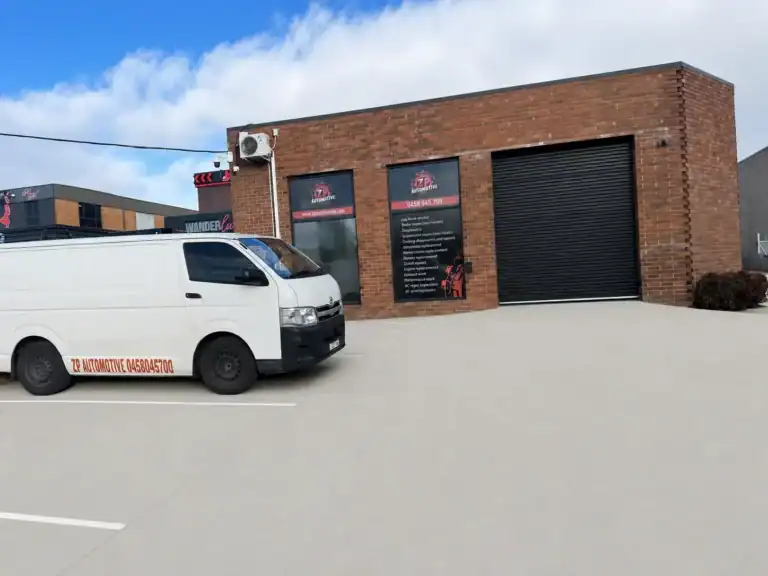
Mazda transmission repair is one of those services that catches owners off guard because transmissions generally run quietly in the background. When something goes wrong, though, it affects everything about how your Mazda drives. Whether you’re experiencing rough shifts, grinding noises, or a warning light on the dash, the transmission is the most complex system in your vehicle outside the engine itself. At our Mitchell workshop, we diagnose Mazda automatic and manual transmissions with the same care we’d give our own cars, using Mazda-specific diagnostic tools and service schedules to identify exactly what needs attention before recommending repairs.
Common Signs Your Mazda Transmission Needs Attention
Most drivers notice transmission problems before they become catastrophic. The earlier you catch these symptoms, the better your chances of avoiding a full rebuild or replacement. Here’s what to watch for in your Mazda automatic transmission repair or manual gearbox maintenance:
- Delayed engagement when shifting into Drive or Reverse, or a noticeable pause before the car moves
- Grinding, whining, or metallic noises coming from underneath the car, especially when accelerating
- Rough or jerky shifts between gears instead of smooth transitions
- Transmission fluid that smells burnt or looks dark and thick (check the dipstick)
- Slipping gears, where the engine revs but the car doesn’t accelerate as expected
- Warning lights on your dashboard including check engine or transmission-specific alerts
- Leaking fluid under the vehicle, usually red or pink in colour
- A burning smell coming from under the bonnet or from underneath
Mazda automatic transmissions, particularly in models like the CX-5, 3, and 6, can develop shift lag or hunting behaviour as they age. Manual gearboxes in older Mazdas sometimes struggle with synchroniser wear, which makes downshifting feel crunchy or resistant. Neither issue goes away on its own, and both tend to worsen quickly once they start. If you’ve noticed any of these signs, a diagnostic inspection is your first step to avoiding a breakdown on the road.
How Mazda Transmission Repair Diagnosis Works
We start every Mazda gearbox repair job the same way: with a thorough diagnostic. This isn’t guesswork or parts-swapping in the hope something fixes it. We plug your Mazda into diagnostic equipment that reads the transmission’s onboard computer, which stores fault codes and records of shift patterns. Those codes tell us whether the problem is a sensor, a solenoid, low fluid, or something mechanical deeper inside the gearbox.
After the scan, we perform a road test to feel how the transmission behaves under load. Does it slip when you’re merging onto the motorway? Does it hesitate in a particular gear range? Does it feel different in Sport mode versus Normal? These observations help narrow down whether we’re looking at a fluid issue, an electrical fault, or internal wear. For manual gearboxes, we assess clutch feel and listen carefully for synchroniser noise or grinding.
Once we’ve identified the fault, we explain it to you in plain language. Some Mazda transmission issues can be resolved with a fluid and filter service using OEM-spec fluid, which costs far less than a rebuild. Others need a specific component replaced such as a solenoid, sensor, or torque converter. If the gearbox itself is damaged internally, we’ll be honest about whether a repair, reconditioning, or replacement makes sense for your car’s age and value. You’ll know exactly what’s needed and what it’ll cost before we begin any work.
What Affects Cost and Timeline for Your Mazda Transmission Repair
Mazda automatic transmission repair costs vary more than most services because the problem could be simple or complex. A fluid service and electrical sensor replacement sits at one end of the spectrum. A full gearbox rebuild or replacement sits at the other. Several factors influence the final bill:
- The specific fault: sensor issues are cheaper than internal mechanical damage
- Your Mazda model and year: newer models with advanced automatics are pricier to work on than older six-speed units
- Parts availability: some Mazda transmissions need OEM components, while equivalent aftermarket parts are available for others
- Labour intensity: a fluid service takes a few hours; a rebuild or replacement takes several days
- Whether the problem has caused secondary damage: prolonged slipping can overheat the converter or damage the engine’s flex plate
We use quality parts for every repair. Where OEM Mazda components are necessary, we source them. Where equivalent-spec alternative parts work just as well and save you money without cutting corners, we use those instead. Turnaround time depends on whether we’re replacing the gearbox outright or repairing it in-house, and whether parts need to be ordered. We’ll give you a realistic timeframe once the diagnosis is complete, not a guess on the first call.
Why Choose ZP Automotive in Mitchell for Mazda Transmission Work
Transmissions are where the difference between a good mechanic and a mediocre one becomes obvious. We approach every Mazda automatic transmission repair and manual gearbox job with the same rigour we’d apply to our own vehicles. Our owner has over ten years in the trade, and transmission diagnostics are part of his core skillset. You’re not dealing with a service advisor reading a script; you’re dealing directly with the mechanic who’s going to fix your car.
ZP Automotive is independent, not a dealership. That means we don’t charge dealership labour rates, we don’t upsell you parts you don’t need, and we explain what’s genuinely wrong with your transmission in terms that make sense. We also keep your manufacturer warranty intact by using logbook servicing practices on routine maintenance, so your Mazda stays protected. For more complex diagnostics, like engine warning lights or transmission shift issues, that same transparent approach applies.
We’ve seen plenty of Mazdas come through our Mitchell workshop with transmission problems that could have been prevented with regular fluid checks or caught earlier with a simple diagnostic. That’s why we recommend getting any grinding noise or shift hesitation checked sooner rather than later. The difference between a 500 dollar sensor replacement and a 5,000 dollar rebuild often comes down to catching the problem while it’s small. We use quality fluids and parts like Penrite, and we’re honest about what your Mazda actually needs.
Book Your Mazda Transmission Inspection Today
If your Mazda is grinding, slipping, or shifting roughly, don’t wait for it to fail completely on the road. Claim Your Free Inspection at our Mitchell workshop to have us run a full diagnostic test and explain what we find. We’ll give you honest advice on what needs to happen next with no pressure or hidden costs. Call & Book Now to get started.