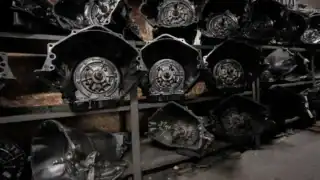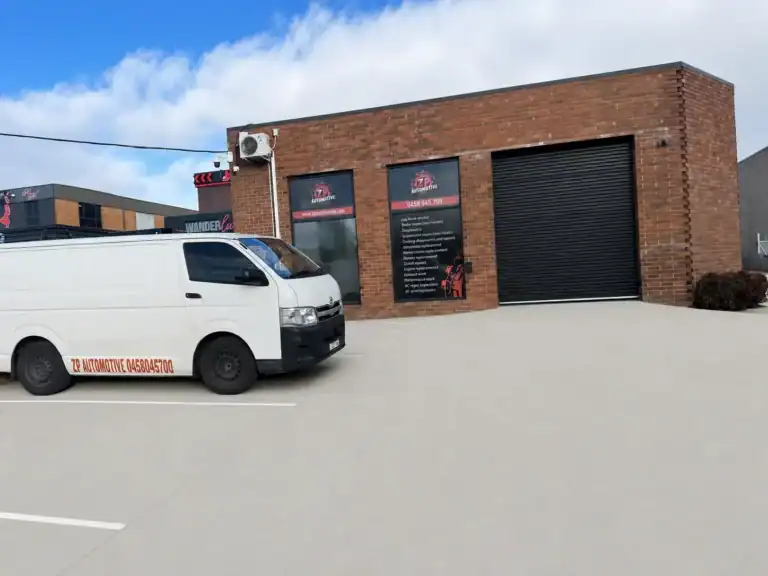
Japanese vehicles transmission repair is one of the most important maintenance and repair services you can invest in, yet it’s often misunderstood or left until a serious problem develops. Your transmission is the system that transfers engine power to the wheels, managing gear changes smoothly whether you’re driving a Toyota, Honda, Nissan, Mazda, or Subaru. When transmission problems arise, they can range from minor fluid leaks and rough gear changes to complete failure. At ZP Automotive in Mitchell, we specialise in diagnosing and repairing Japanese vehicle transmissions with the same methodical approach we use across all our work — honest assessment, transparent pricing, and quality parts that keep your car reliable.
Warning Signs Your Japanese Vehicle’s Transmission Needs Attention
Japanese vehicles are known for their build quality and longevity, but transmissions don’t last forever. Pay attention to these common warning signs that indicate you should bring your vehicle in for inspection:
- Delayed gear engagement — you press the accelerator and feel a pause before the car moves
- Rough or jerky shifts between gears, especially during acceleration or deceleration
- Slipping sensation, where the engine revs but the car doesn’t respond proportionally
- Burning smell from under the bonnet or dashboard, often indicating overheated transmission fluid
- Transmission warning light on the dashboard, even if the car seems to drive normally
- Fluid leaks underneath your vehicle, typically red or pink in colour
- Unusual grinding or clunking noises when shifting gears
- Difficulty selecting gears or a stuck gear selector
These symptoms don’t always mean expensive repair work ahead, but they do mean professional diagnosis is essential. Ignoring them often makes repairs more costly later.
How We Diagnose Japanese Vehicle Transmission Problems
Transmission diagnosis requires more than just listening to how a car drives. We start with a detailed conversation about what you’ve noticed, then move through a systematic inspection process tailored to Japanese vehicle specifications.
For Japanese vehicles, we follow OEM diagnostic protocols specific to each manufacturer. Toyota and Lexus transmissions use different diagnostic tree logic than Honda or Mazda, and we factor that into our testing. We check transmission fluid level and condition first — fluid tells us a lot about what’s happening inside the gearbox. Dark, burnt-smelling fluid indicates heat damage or internal wear. We also scan for transmission error codes using diagnostic equipment calibrated to Japanese vehicle systems, which reveals whether issues are solenoid-related, sensor failures, or mechanical wear inside the transmission itself.
Road testing follows a specific pattern: we evaluate shift smoothness, response time, and behaviour under load across all gear ranges. For automatic transmissions, we assess lock-up converter function. For manual transmissions, we test clutch engagement, gear synchronisation, and any grinding or resistance. Once we understand the problem, we explain exactly what we’ve found and what options exist — repair, rebuild, or in some cases replacement of the transmission assembly.
Common Japanese Vehicle Transmission Issues We See Regularly
Certain problems show up more often in specific Japanese vehicle brands. Many Toyota and Lexus automatic transmissions suffer from solenoid faults that prevent smooth shifting — these are repairable without full transmission removal. Honda and Acura vehicles sometimes develop torque converter shudder, a vibration felt during acceleration. Mazda automatics occasionally experience transmission slippage caused by internal friction material breakdown. Nissan CVT transmissions have known durability concerns in some model years, though early warning signs can often be addressed before complete failure.
Understanding these patterns helps us diagnose faster and recommend the right fix. If your vehicle falls into a model line with a known issue, we’ll explain what to watch for and what preventive maintenance helps.
What Affects Japanese Vehicle Transmission Repair Time and Cost
Several factors shape how long repair takes and what you’ll pay. Simple fixes like solenoid replacement or fluid service take a few hours. If seals need replacing or the transmission requires removal for internal work, the job extends to a full day or more. Parts availability for Japanese vehicles is generally reliable in Australia, though some components may need ordering from specialist importers depending on the model and year.
We use quality parts appropriate to each Japanese vehicle transmission repair. If a solenoid, sensor, or seal can be replaced to restore function, that’s our recommendation — it’s cost-effective and lasting. When internal wear is significant, transmission rebuild or replacement becomes necessary. We discuss whether OEM-specification parts or quality aftermarket equivalents make sense for your vehicle and budget. We use Penrite and other quality fluids for Japanese vehicles, never budget no-name products that cause problems down the track.
The actual timeline depends on your vehicle’s accessibility, part availability, and how busy we are at our Mitchell location. We’ll give you a realistic estimate once we’ve diagnosed the problem, and we keep you updated throughout the work.
Why ZP Automotive in Mitchell is Your Best Choice for Transmission Repair
You could take a Japanese vehicle transmission problem to a dealership, but you’ll pay dealership labour rates and follow their service schedule whether it suits your car or not. Chain workshops often lack the deep expertise in Japanese-specific diagnostics. ZP Automotive is an independent, owner-operated workshop in Mitchell with over 10 years’ experience in the trade. We deal directly with you and your car — no service advisor, no upsell scripts, no pressure to replace parts that don’t need replacing.
We understand Japanese vehicle engineering because we work on these cars regularly. We use Penrite and other quality fluids and parts, not budget alternatives. We keep your manufacturer warranty intact by performing logbook servicing correctly and recommending only what your car actually needs. Our pricing is transparent and fair — we explain what’s wrong, what it costs, and what can wait. We’re family-run and proud of our 5.0 verified reviews from customers who trust us with their vehicles.
Next Steps: Book Your Japanese Vehicle Transmission Inspection
If you’ve noticed any of these symptoms, or your transmission warning light is on, don’t delay. Early diagnosis often means simpler, more affordable fixes. Call & Book Now to schedule your appointment at ZP Automotive, or Claim Your Free Inspection online today. We’ll get your Japanese vehicle sorted with honest advice and quality work.