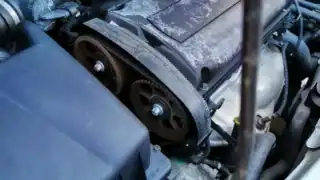
A timing chain is a critical component that synchronises the rotation of your Hyundai’s crankshaft and camshaft. This keeps fuel injection, valve operation, and ignition firing in perfect time. Unlike a timing belt, a chain is built to last the life of the engine in most cases. But when it does fail or stretch, you’re looking at serious engine damage if ignored. Hyundai Timing Chain Replacement in Mitchell is one of those services that catches owners off guard because they expect their chain to simply run forever. The reality is more nuanced: some Hyundai models are prone to timing chain stretch or noise, particularly in higher-mileage vehicles. If your Hyundai is showing signs of a worn or failing timing chain, addressing it early prevents catastrophic engine damage and keeps you safe on the road.
Common Signs Your Hyundai Timing Chain Needs Inspection
Most Hyundai owners don’t think about their timing chain until something goes wrong. The trouble is, the earlier warning signs are easy to miss if you don’t know what to listen for. A rattling noise from the front of the engine, especially when starting cold or accelerating, is often the first clue. This rattle typically sounds like marbles rolling in a tin can and comes from the timing chain cover area. You might notice it more in winter mornings when the engine is cold, or it might persist throughout driving.
Another warning sign is a check engine light with fault codes related to cam timing or crankshaft and camshaft correlation. Some Hyundai models will trigger these codes before the chain has visibly failed. In rare cases, you might feel a loss of power or notice rough idle as the chain stretches enough to throw off valve timing. If your Hyundai has completed 100,000 kilometres or more and you’re hearing these noises, a professional inspection is the only reliable way to know if replacement is imminent.
- Rattling or grinding noise from the engine front, especially when cold
- Check engine light with timing-related fault codes
- Loss of engine power or rough running
- Difficulty starting or erratic idle quality
- Visible oil leaks from the timing cover (a sign of seal failure often paired with chain wear)
How Hyundai Timing Chain Replacement Works
Replacing a timing chain on a Hyundai isn’t a quick job. The chain is buried deep inside the engine, so we need to remove multiple components to reach it safely. First, we drain the oil and remove the front cover, which exposes the timing system. We then inspect the chain, sprockets, and tensioner in detail. On Hyundai engines, the tensioner is a common wear point. Even if the chain itself still has life, a worn tensioner can allow enough slack that the chain skips or rattles.
If replacement is needed, we remove the old chain and inspect the sprockets for wear. Hyundai models typically use either OEM replacements or equivalent-specification aftermarket components. We fit quality parts that meet Hyundai’s engineering standards. The new chain is installed with precise timing, ensuring the crankshaft and camshaft are perfectly synchronised. The tensioner is replaced as part of the job. All gaskets and seals are refreshed to prevent oil leaks once we reassemble the engine.
Throughout the process, we use Hyundai-specific torque specifications and timing procedures. This isn’t a shortcut job, and skipping steps leads to major engine trouble later. Once the chain is installed, we reassemble everything methodically and run a full diagnostic to confirm correct timing before you drive away.
What Affects Timing Chain Replacement Cost and Time
The cost of a timing chain job depends on several factors specific to your vehicle’s engine design. Engine type matters most. Some Hyundai engines have easier access to the timing system than others, affecting labour time significantly. Whether you need just the chain or also a new tensioner and sprockets affects parts cost. We always inspect these components and recommend replacement based on actual wear, not a blanket policy. Some workshops replace the entire timing system regardless of condition; we replace only what needs it.
Parts availability can also influence scheduling. We use quality parts that are commonly stocked, but in rare cases, lead time may apply. The age and mileage of your vehicle matters too. A higher-mileage engine might show additional wear that needs addressing alongside the chain. Turbo models or engines with higher fuel pressure can have different failure patterns than standard Hyundai engines.
We’re upfront about what drives cost. You get a clear diagnosis before any work starts, and we explain which parts are essential and which are optional. No surprises, no upsell.
Why Choose ZP Automotive for Your Hyundai Service in Mitchell
When your Hyundai needs timing chain work, you want a mechanic who understands the engine, not a dealership charging premium labour rates or a chain workshop rushing through the job. We’re an independent, owner-operated workshop with over 10 years in the trade. We see Hyundai engines regularly and know their quirks and common failure patterns across different model years and engine types.
We use quality parts and oils such as Penrite and Rico products we trust, not the cheapest no-name stock that might fail early. Your warranty is protected too. Logbook servicing with independent mechanics is legal under Australian consumer law, and genuine work on your timing system doesn’t void your manufacturer warranty. We keep that intact because we do the job right.
You deal directly with the mechanic doing the work. There’s no service advisor, no upsell scripts, no pressure to buy things you don’t need. You get honest advice about what’s actually failing, what it’ll cost, and what can wait. Fair, transparent pricing without dealership labour rates. We also offer brakes, engine diagnostics, air conditioning servicing, logbook servicing, and wrong-fuel recovery across the Mitchell service area.
Getting Your Hyundai Timing Chain Diagnosed in Mitchell
If your Hyundai is showing timing chain warning signs, don’t ignore it. A worn chain can fail suddenly and cause engine damage. The first step is getting a proper diagnosis from someone who knows Hyundai engines. Call us to discuss your symptoms, or claim your free inspection to let us diagnose the exact condition of your timing system. We’ll inspect it properly and explain what you’re looking at before you commit to anything.