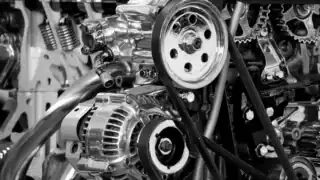
A timing chain in a Japanese vehicle is a metal chain that synchronises the rotation of the crankshaft and camshaft, keeping the engine’s valve timing precise. Unlike a timing belt made of rubber, a timing chain is built to last the life of the engine in most cases. However, when a timing chain fails or becomes severely worn, the consequences are serious: your engine will not run at all, or it will run rough with misfires. Japanese vehicles including Toyota, Honda, Nissan, Mazda, and Subaru rely on timing chains engineered for longevity, but wear, noise, and slack can develop over time. We see Japanese vehicles timing chain replacement issues regularly at our Mitchell workshop, and catching the problem early can save you thousands in engine damage.
Warning Signs Your Timing Chain Needs Attention
A worn or failing timing chain usually announces itself before it breaks completely. Listen for a rattling or chattering noise from the front of the engine, especially when you first start the car cold or during acceleration. This sound comes from the chain and its tensioner wearing out, allowing the chain to become loose inside the engine cover. Some drivers notice the noise only lasts a few seconds after a cold start, which is a classic sign of timing chain slack.
Check engine warning lights can also appear if timing chain slack is severe enough to affect valve timing. This triggers the engine management system to log a fault code related to cam or crank timing. If your Japanese vehicle is showing a timing-related code, the timing chain is a strong candidate for inspection.
Less common but equally serious: if the chain breaks suddenly, the engine will not start, or it will crank but refuse to fire. This is a breakdown scenario that leaves you stranded, and it usually means internal engine damage as well, since pistons and valves can collide when timing is lost.
How We Diagnose and Replace Your Japanese Vehicles Timing Chain
Our approach to Japanese vehicles cam chain replacement starts with a visual and listening inspection. We remove the timing cover to look directly at the chain, tensioner, and guide rails. We measure chain slack using a tension gauge and check for wear on the sprockets. For Toyota and Lexus models, we follow Toyota’s service schedule and diagnostic procedures to determine whether the chain has reached the point where replacement is necessary. Honda and Acura timing chains are similarly robust, but we inspect the same wear indicators. Nissan engines often feature timing chains that can accumulate slack over high mileage, and Subaru flat-four engines have their own specific chain geometry we account for during diagnosis.
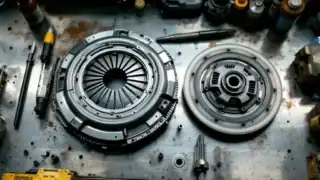
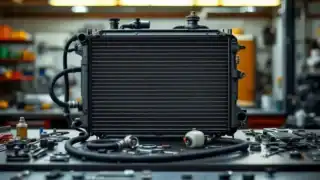
Once we confirm the chain is worn or damaged, we plan the full replacement. Removing a timing chain requires removing the radiator, water pump, and timing cover. We then remove the old chain, tensioner, and guides, and fit new OEM-spec or equivalent quality parts. For Japanese vehicle owners concerned about warranty, logbook servicing with a timing chain replacement keeps your manufacturer warranty intact, as long as the work is performed by a qualified mechanic using appropriate parts and procedures.
We use quality parts and oils such as Penrite for any fluid work. For the timing chain itself and tensioner, we fit parts that match the OEM specification for your particular vehicle, not the cheapest aftermarket alternatives. The job involves careful reassembly of the timing cover, water pump, and radiator. We then perform a static timing check and start the engine to confirm the chain is seated correctly and the noise is gone.
What Affects the Cost and Timeframe for Timing Chain Replacement
Timing chain replacement is a labour-intensive job because the engine cover and surrounding components must come off. The time required depends on your vehicle type and whether any additional work is needed. A straightforward chain and tensioner replacement typically takes a full day; if the water pump or radiator seals need attention while we’re in, that can add a few hours.
Parts availability is usually straightforward for mainstream Japanese brands like Toyota, Honda, and Nissan, but some newer or less common models may require ordering. We’ll confirm availability and lead time upfront so you know what to expect.
Cost varies based on whether you choose OEM parts or quality equivalent components, and whether additional items like the water pump are replaced at the same time. We explain the options clearly and give you a transparent estimate before we start work. We don’t have dealership labour rates, so you’ll find our pricing fair and straightforward.
Why Choose ZP Automotive in Mitchell for Your Timing Chain Work
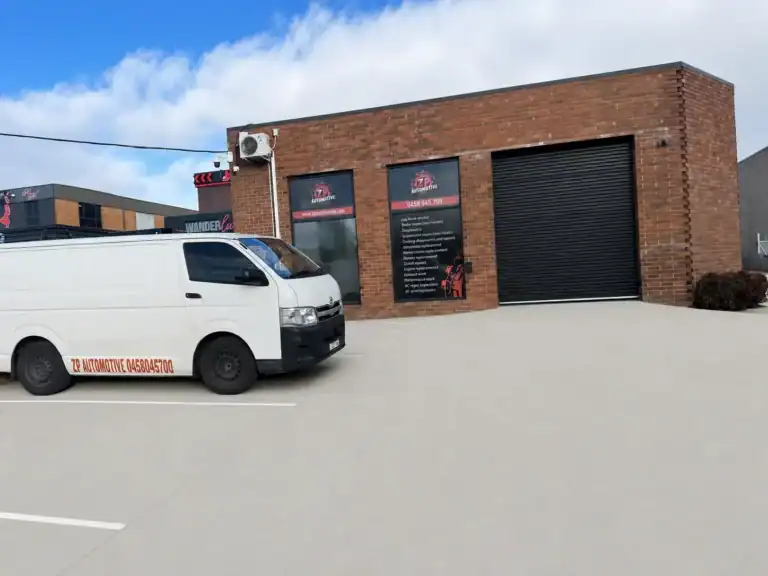
Timing chain work is not routine for many mechanics, but it’s one of the jobs we handle regularly. Brendan has over 10 years in the trade, and as an owner-operated independent workshop, we take pride in doing the work properly the first time. You deal directly with the mechanic doing the job, not a service adviser reading from a script. There’s no upsell, no unnecessary parts, just honest advice about what your engine needs.
We use quality parts and fluids you can trust. We explain what we’ve found, what it’ll cost, and what the repair timeline looks like. If you’re running a Japanese vehicle on logbook servicing, we ensure all work maintains your warranty protection and follows the manufacturer’s specifications. Our 5.0 verified reviews reflect our commitment to getting timing chain replacements and all other work done right, and our clients know they can trust what we tell them about their cars.
Get Your Timing Chain Inspected at ZP Automotive
If you’re hearing a rattle from the front of your engine or you’ve seen a timing-related warning light, don’t ignore it. A failing timing chain can leave you stranded, and early diagnosis prevents catastrophic engine damage. Call & Book Now or claim your free inspection so we can listen to your engine, check the chain, and tell you exactly what’s needed. We’re here to help Mitchell drivers keep their Japanese vehicles running reliably.