A timing belt is one of the most critical components in your Land Rover’s engine. This rubber belt drives the camshaft in synchronisation with the crankshaft, controlling the precise opening and closing of your engine’s intake and exhaust valves. When the timing belt fails, the consequences are severe—your engine can suffer catastrophic internal damage, and you’ll be left stranded. Land Rover timing belt replacement is not something to delay once warning signs appear, and it’s certainly not a job for the roadside or a backyard mechanic. At ZP Automotive in Mitchell, we understand the safety and reliability demands of Land Rover ownership, and we treat every timing belt replacement with the care it deserves.
When Does a Land Rover Timing Belt Need Replacement?
Land Rover vehicles follow manufacturer service schedules that specify timing belt replacement intervals. These intervals vary depending on your model year and engine type. Some Land Rovers require belt replacement every 100,000 to 120,000 kilometres, while others may go longer. The best place to start is your owner’s handbook or service history, which will tell you exactly when your vehicle is due.
Beyond scheduled intervals, several warning signs indicate your timing belt is approaching failure or has already begun to deteriorate:
- A visible crack, fray, or glazed appearance on the belt itself when you pop the bonnet
- Squealing or squeaking noise from the front of the engine, particularly on cold starts
- Engine misfiring or running rough without a clear fault code
- Difficulty starting the engine, even though the battery is in good condition
- Oil leaking from the timing cover seals, indicating the belt housing has been compromised
If you notice any of these signs in your Land Rover, have it inspected by a qualified mechanic straight away. A timing belt that breaks without warning leaves you with no safe recovery option and an expensive engine rebuild.
What Happens During Land Rover Timing Belt Replacement
Replacing a timing belt is not a quick job. The belt is tucked deep inside the engine, protected by a timing cover. To access it, we need to remove the cover, disconnect ancillary components like the alternator and power steering pump, and carefully rotate the engine to the correct starting position.
Once the old belt is exposed, we remove it and inspect the tensioner pulley and idler pulleys that guide the belt. These components wear at similar rates to the belt itself, so if the tensioner is showing signs of wear, we replace it during the same service. This prevents a repeat failure a few months down the line.
After removing the old belt, we clean the timing cover and surrounding components to check for any oil seepage or debris. We then fit a new belt that meets Land Rover’s OEM specifications, adjust the tension to the correct specification using a tension gauge, and rotate the engine to verify the belt runs true and the timing marks align exactly. This precision is what separates a proper job from a rushed one, and it’s why Land Rover owners should trust this work only to mechanics who understand these vehicles.
For Land Rover models equipped with a serpentine belt system, we also inspect and often replace the drive belt that powers the alternator, air conditioning compressor, and power steering pump. This is good preventative maintenance, as a broken drive belt can leave you stranded just as effectively as a failed timing belt.
Finally, we reassemble the timing cover and ancillary components, check all fluid levels, and road test the vehicle to confirm the engine starts cleanly, runs smoothly, and produces no unusual noises.
What Affects the Cost and Timeline for Land Rover Timing Belt Work
Several factors influence the cost and time required for Land Rover timing belt replacement. Your specific model matters; some Land Rover engines are more accessible than others. A Discovery or Defender timing belt job may take longer than a Freelander or Range Rover Sport, simply due to engine bay layout and the number of ancillary components that need to be moved out of the way.
Parts availability also plays a role. We use quality, OEM-spec replacement belts and components rather than cheap aftermarket stock. This protects your investment and ensures your Land Rover continues to operate reliably. If parts need to be ordered, this can add a day or two to the turnaround, but we’ll always communicate this upfront.
Whether the tensioner pulley needs replacement will affect cost. If it’s visibly worn, we’ll recommend replacing it along with the belt. Skipping this step to save a few dollars now often leads to a failed tensioner and a second repair bill within months.
We provide transparent pricing and explain what’s included before we start work. There are no hidden charges or surprise invoices at the end of the job.
Why Choose ZP Automotive in Mitchell for Your Land Rover
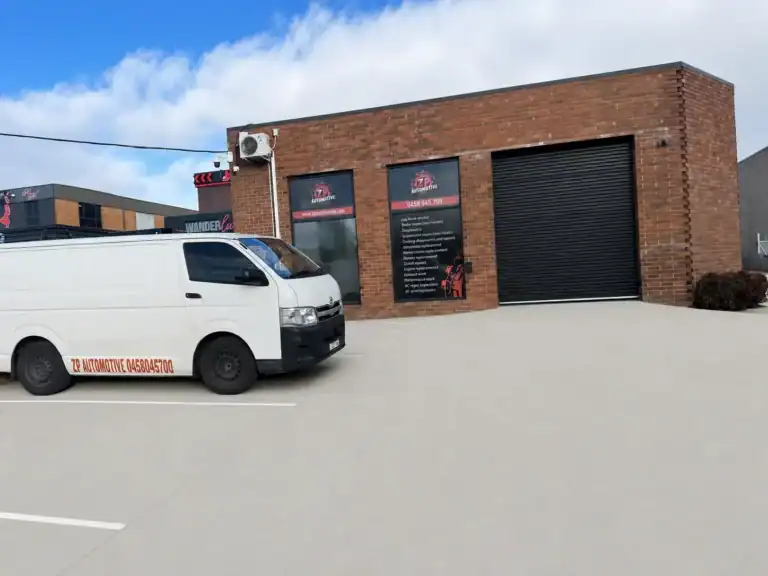
We’re an independent, owner-operated workshop in Mitchell with over 10 years of hands-on experience in engine service and diagnostics. We specialise in logbook servicing that keeps your Land Rover’s manufacturer warranty intact, using quality parts and oils like Penrite rather than cheap no-name stock.
When you bring your Land Rover to us, you deal directly with the mechanic doing the work. There’s no service advisor pushing unnecessary extras, no upsell scripts, and no dealership labour rates. We explain what’s wrong, what it’ll cost, and what can wait. If a timing belt replacement is needed, we’ll walk you through why and what the job involves before we touch your vehicle.
We’ve handled countless Land Rover timing belt replacements across the north Canberra region. We know these vehicles inside out, and we pride ourselves on delivering honest advice and quality work at a fair price. Our 5.0 verified reviews reflect the trust Land Rover owners place in our work.
Book Your Free Inspection in Mitchell
If you’ve noticed warning signs or your Land Rover is due for a timing belt replacement, don’t put it off. The longer you wait, the greater the risk of catastrophic engine failure. Call us to book your inspection, or claim your free inspection online. We’ll confirm whether replacement is needed and give you a clear picture of what the job will involve and what you can expect to invest.