Your Volkswagen’s timing belt is a critical component that synchronises the engine’s crankshaft and camshaft, ensuring pistons and valves operate in perfect harmony. A Volkswagen timing belt replacement is a major service that most owners will face at some point, and it’s one of those jobs where planning ahead saves you from a costly roadside breakdown. Unlike some routine maintenance, this is not optional—when your timing belt fails, your engine stops, and depending on your VW model, you could face internal engine damage that runs into thousands of dollars. Getting it done on schedule keeps your Volkswagen reliable and protects your investment.
When Does a Volkswagen Timing Belt Need Replacement?
Volkswagen specifies timing belt replacement intervals based on both age and kilometres. Most modern VW models recommend replacement every 120,000 to 160,000 kilometres or every 10 years, whichever comes first. Your owner’s handbook will list the exact interval for your model, or we can check your service records and advise you based on your vehicle’s history.
The belt itself doesn’t always give obvious warning signs before it fails. Unlike a worn brake pad, you won’t hear squeaking or feel reduced performance—a timing belt can snap suddenly with no prior symptoms. That said, there are a few indicators that the belt may be deteriorating:
- A rough or irregular idle, particularly when cold.
- Visible cracks or fraying along the belt’s edges when inspected.
- A ticking or whining noise from the timing cover, especially during acceleration.
- Difficulty starting the engine, particularly in cold weather.
- Oil leaking from the timing cover seals, often a sign the belt is due for renewal.
The safest approach is to follow Volkswagen’s maintenance schedule rather than wait for symptoms. Once your VW reaches the recommended interval, whether that’s 120,000 km or 10 years, book in for a timing belt replacement. If you’ve inherited a used VW and don’t know when the belt was last done, we can inspect it and advise whether replacement is urgent. Here in Mitchell, we see many owners caught out by delayed timing belt work, so we always check this during your regular service visits.
What Happens During a Volkswagen Timing Belt Replacement
This is a labour-intensive job that requires methodical disassembly and reassembly. We don’t rush it, and we’ll explain what we’re doing at each stage.
First, we remove ancillary components to access the timing cover. This includes the alternator, air filter box, and sometimes the engine mount, depending on your VW’s engine layout. Once we’ve exposed the timing cover, we remove it carefully and note the position of all pulleys and the belt itself.
Next, we turn the engine to top dead centre using the crankshaft pulley. This is critical—the crank and cam must align exactly before we remove the old belt, otherwise we risk damaging valves during reassembly. We then unbolt the tensioner and idler pulleys and slide off the worn belt.
Here’s where Volkswagen-specific knowledge matters: we inspect the condition of the water pump and tensioner. Many VW models benefit from replacing these components at the same time as the belt, even if they’re still functional. The water pump is driven by the belt, and if it fails shortly after a belt replacement, you’ll have paid for labour twice. We’ll advise you on whether replacement makes economic sense for your model and age.
We fit a new OEM-spec or genuine-equivalent belt and reinstall the pulleys and tensioner. We use quality replacement parts—not the cheapest aftermarket options—because a failed timing belt is not a time to compromise. Once everything is in place, we set the belt tension precisely using Volkswagen’s specifications and hand-tools, not guesswork.
Finally, we rotate the engine by hand several times to verify everything is correctly aligned, then reassemble all the ancillary components and run the engine to check for leaks and proper operation.
Timing Belt Replacement Cost and Time Factors for Your Volkswagen
Labour time varies depending on engine type and year. Some VW models have the timing belt tucked away and require substantial ancillary work to reach it; others are slightly more accessible. A straightforward replacement typically takes most of a working day, but we’ll give you a realistic timeframe when you book.
Cost depends on several factors: whether you choose OEM or quality aftermarket parts, whether we replace the water pump and tensioner at the same time, and the availability of parts for your specific model. We price fairly and transparently—not dealership rates, but not the cheapest job going either. We’ll discuss your options upfront and explain what we recommend and why before we start work.
If your VW is still under manufacturer warranty, logbook servicing through us keeps that warranty intact. We use quality parts and follow Volkswagen’s service schedules, so you’re covered.
Why Trust ZP Automotive in Mitchell for Your Volkswagen Timing Belt
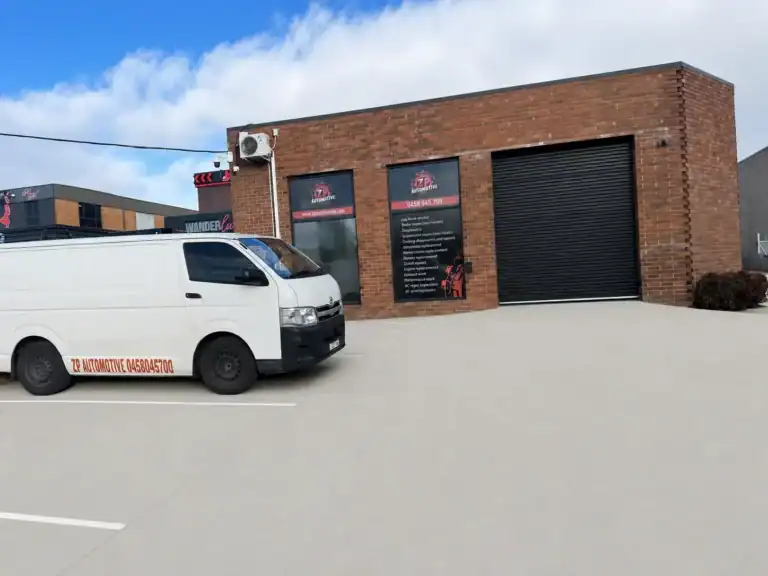
We’re an independent, owner-operated workshop with over 10 years in the trade. We don’t have dealership overhead, so our labour rates are fair. More importantly, you deal directly with the mechanic doing the work—no service adviser, no upsell scripts, just plain-English advice about what your VW needs and what can wait.
We use quality parts like Penrite oils and trusted component brands, not the cheapest no-name stock. When it comes to a Volkswagen timing belt replacement, that reliability matters. We also handle the full range of VW maintenance and repair—logbook servicing, engine diagnostics, air conditioning servicing, and ACT rego inspections—so we know Volkswagen vehicles inside out. Our 5.0 verified reviews reflect our commitment to honest, transparent service without dealership pretence.
Next Steps
If your Volkswagen is approaching the recommended timing belt interval, or if you’ve noticed any of the symptoms mentioned above, call us to book your service in Mitchell. We’ll verify whether replacement is needed and discuss your options without pressure. Claim your free inspection today, and let’s make sure your VW timing belt doesn’t catch you out on the road.