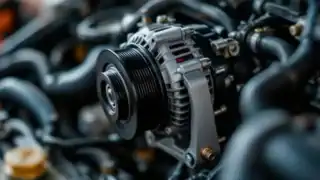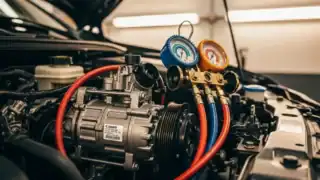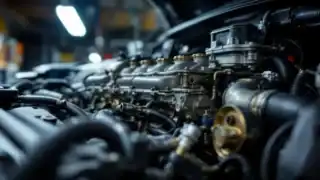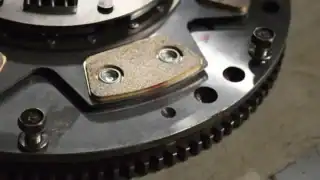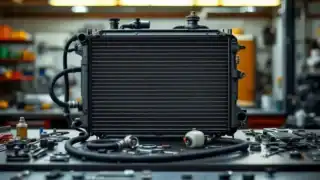
A timing belt is one of the most critical components in your European vehicle’s engine. This rubber belt synchronises the rotation of your crankshaft and camshaft, ensuring your engine’s valves open and close at precisely the right moment. European vehicles, particularly those from manufacturers like Volkswagen, Audi, BMW, and Mercedes-Benz, rely on exacting timing belt specifications to maintain their performance and longevity. When a timing belt fails, the consequences are severe. Unlike some other engine components, a broken timing belt often means catastrophic internal engine damage that can cost thousands to repair. In Mitchell and across Canberra, we see European vehicles that have suffered this damage because their timing belt replacement was delayed too long. That’s why understanding when your European vehicles timing belt replacement is due, and addressing it proactively, is one of the most important maintenance decisions you’ll make.
Warning Signs Your European Timing Belt Needs Replacement
Most timing belts don’t announce themselves loudly. They fail quietly, sometimes without warning. However, there are symptoms that suggest your belt is nearing the end of its service life.
- A high-pitched squealing or whining noise from the front of the engine, especially on cold starts
- Rough idle or the engine misfiring and feeling hesitant to accelerate
- Oil leaks near the timing cover, which can accelerate belt deterioration
- Your vehicle won’t start, or it starts but immediately stalls
- Visible cracks, fraying, or glazing on the belt itself if you can see it
The most reliable indicator, though, is your vehicle’s service schedule. European manufacturers build strict timing belt replacement intervals into their logbooks. Volkswagen, Audi, and BMW typically recommend belt replacement between 80,000 and 160,000 kilometres, depending on the model and engine type. Some newer vehicles with condition-based servicing may run longer, but the moment you reach your scheduled interval, the belt should be treated as a time-bomb, not a “wait and see” item.
What Happens During a European Vehicles Timing Belt Replacement
Timing belt replacement is not a simple bolt-on job. It requires methodical disassembly, precise timing procedures, and attention to detail that separates quality work from rushed jobs.
We start by removing the engine covers, belts, and pulleys that sit in front of the timing belt itself. With European vehicles, this often means draining coolant and removing hoses to access the belt housing properly. We then remove the old belt carefully, inspecting the timing pulleys, water pump, and tensioner for wear or damage. The tensioner is especially critical. If it’s weak or failing, a new belt will wear prematurely or break. We inspect or replace it as part of the service because replacing a tensioner later costs far more than replacing it alongside the belt.
Once the old belt is out, we install a new one to the exact tension specification for your European vehicle’s engine. Different models require different tensions. Too loose, and the belt slips and wears. Too tight, and it damages the pulleys and bearings. We use the correct tools and procedures to dial in the tension precisely. We then rotate the engine slowly by hand several times to ensure the timing is correct before reassembly. Finally, we replace all gaskets and seals we’ve disturbed, refill coolant, and run a full diagnostic to confirm everything is running as it should be.
Parts, Time, and Cost Factors for Timing Belt Work
The cost of a European vehicles timing belt replacement varies based on several real factors. The belt itself is relatively inexpensive, but labour is substantial because the job is intricate. You’re paying for proper diagnosis, meticulous disassembly, precision work, and thorough reassembly.
Your vehicle’s specific model and engine type matters significantly. A Volkswagen Golf’s timing belt replacement is more straightforward than a turbocharged Audi or a six-cylinder BMW, which require more disassembly and have tighter tolerances. Parts availability also affects timeline. Genuine OEM parts for many European vehicles ship quickly, but if we identify that the water pump or tensioner also needs replacing while we’re in there, that can extend the job by half a day.
We use quality replacement parts and belts that meet or exceed OEM specifications. We don’t use budget no-name stock. Your European vehicle was engineered to precise standards, and we respect that. The cost is fair, but it reflects the quality and labour involved. We’ll explain exactly what needs replacing and why before we start, so you understand what you’re paying for.
Why Mitchell Car Owners Trust ZP Automotive for European Timing Belt Work
European vehicles demand mechanics who understand their systems. We’ve spent over 10 years working on European engines, understanding their quirks, their service schedules, and their tight tolerances. We’re not a quick-fit franchise following a script. You deal directly with the mechanic doing the work. We explain what we’ve found, what the repair involves, and what it’ll cost, in plain language. No service advisor, no upsell tactics, no dealership labour rates.
At ZP Automotive in Mitchell, we handle logbook servicing for European vehicles, which means your manufacturer warranty stays intact. We use quality parts and fluids aligned to your vehicle’s OEM specifications. We take the time to do the job properly because we know the cost of doing it wrong. When you bring your European vehicle to us, you’re not just getting a repair. You’re getting honest, transparent advice from someone who knows your car’s engine inside and out.
Next Steps
If your European vehicle is approaching its scheduled timing belt interval, or if you’ve noticed any of the warning signs described above, don’t delay. A timing belt is one repair you can’t afford to put off. Call & Book Now or Claim Your Free Inspection today. We’ll check your belt’s condition, confirm your service schedule, and give you a clear picture of what needs to happen next. ZP Automotive in Mitchell is ready to help.